Marine heatwaves shift UK sea life
Record marine heatwaves are causing sunfish, octopuses, and warm-water fish to appear more frequently around Britain, while cold-water species like cod
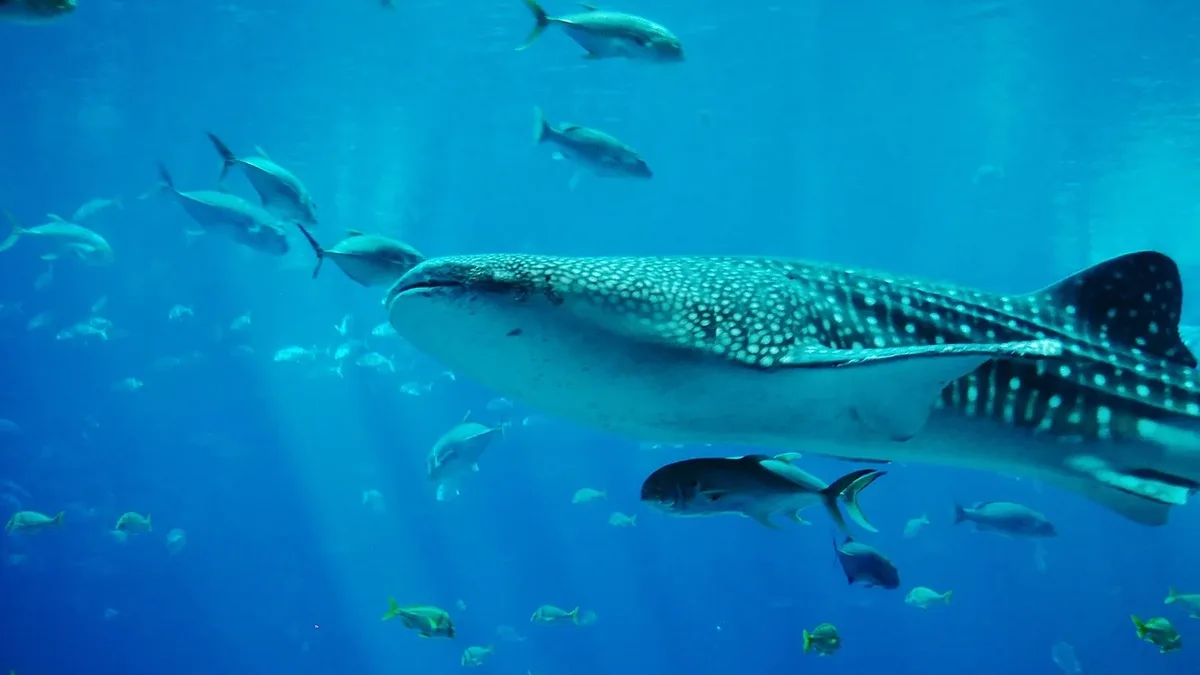
Marine heatwaves are shifting the distribution of species in British seas, according to a report in The Guardian. Skipper Kurt Lander spotted a pair of sunfish in the Channel this summer, part of a surge in sightings likely caused by warmer waters.
Lander, based in Brighton, says the huge fish were lying on their sides and flapping their fins, a behavior thought to attract birds to eat parasites. He has seen sunfish before, but their increased presence this year is notable. Marine heatwaves, which often follow hot spells on land, were labelled "exceptional" by the Met Office last year, with some British waters experiencing heatwave conditions for three-quarters of 2025. 2026 is showing similar trends.
Changing fish catches
The extraordinary temperatures are causing broader changes. Lander notes a dramatic decline in cod, from catching at least a couple of hundred a year to now landing only about one or two a year in the summer. Dr Zoe Jacobs of the National Oceanography Centre says colder water species are shifting north to cooler seas around Scotland, though it is unknown if this move is temporary or permanent.
Meanwhile, Lander is catching more warm-water species like bass, comber, and triggerfish. According to last year’s State of the South-West Seas report, other warm-water species such as sardines and anchovies are also doing well.
Disappearances and arrivals
Diver Gio Reale, based in Falmouth, says it has been weeks since he last saw a small spotted catshark, which prefers water temperatures of about 16-17C. This summer, daily water temperatures have been about 20C, leading Reale to think the sharks have moved to deeper, cooler waters.
In contrast, common octopuses have arrived in force in Devon and Cornwall since January last year due to the warmer conditions. This native species is not usually seen. The octopus bloom has caused issues for some crab and lobster fishers, as octopuses eat trapped crabs. Some boats have switched to targeting the now-abundant octopuses, with catches soaring in 2026. The octopuses also provide food for predators, potentially explaining an increase in sightings of summer visitors like Risso’s dolphins.
Warmer waters also bring jellyfish, though Dr Jacobs cautions that interpreting sightings can be tricky as reports may increase simply because more people are at the beach. The arrival of more mauve stingers from the Mediterranean, however, might be due to the warming.
New species and habitat loss
Warmer waters can bring entirely new species. A few smalltooth sand tiger sharks, an exceptionally rare visitor, have washed up on UK beaches in recent years. Hair curler sea slugs, usually found in the Caribbean and Mediterranean, were first recorded in 2025. Some newcomers can cause problems; scientists are watching a newly arrived sea squirt, Didemnum pseudovexillum, closely, as it is almost identical to the carpet sea squirt that can smother the seabed.
Extreme marine heatwaves elsewhere have caused extensive loss of seagrass and kelp. Chris Williams, founder of the Hastings Kelp Project, is worried. The UK may have lost about 92% of its seagrass meadows since the 1930s. In Sussex, kelp loss could be more than 96%. Kelp prefers waters of 8-12C, and even Williams's laboratory chillers have struggled to keep tanks below 12C during the heatwave.
Seagrass and kelp provide vital habitats, protect shorelines, and store carbon. Williams hopes to grow kelp that can withstand warmer seas, while the Seagrass Ocean Rescue project aims to restore 15% of UK seagrass meadows by 2030.
Warmer waters can also trigger harmful algal blooms that harbor pathogens. In the Bay of Biscay, authorities closed beaches to protect swimmers. Dr Jacobs notes the UK's infrastructure is not yet set up for such closures.
The impact on fisheries may take years to become apparent, as eggs and juveniles may be affected even if adults survive. Experts do not know if cold-water fish that moved north will return. "It might be that our cod and mackerel fisheries are done," says Jacobs, suggesting southern vessels could pivot to catch warmer water species like triggerfish while Scotland benefits from the cod's shift.
Dr Jacobs calls the successive marine heatwaves "our new normal." As greenhouse gases from fossil fuels push up baseline temperatures, she says, "the extreme is just going to be more extreme."