Ferruginous Duck: Key Sites on the Flyway
The Ferruginous Duck, a Near Threatened species, relies on the African-Eurasian Flyway for migration. The flyway stretches from the Arctic tundra to southern Africa and supports 465 migratory bird species.
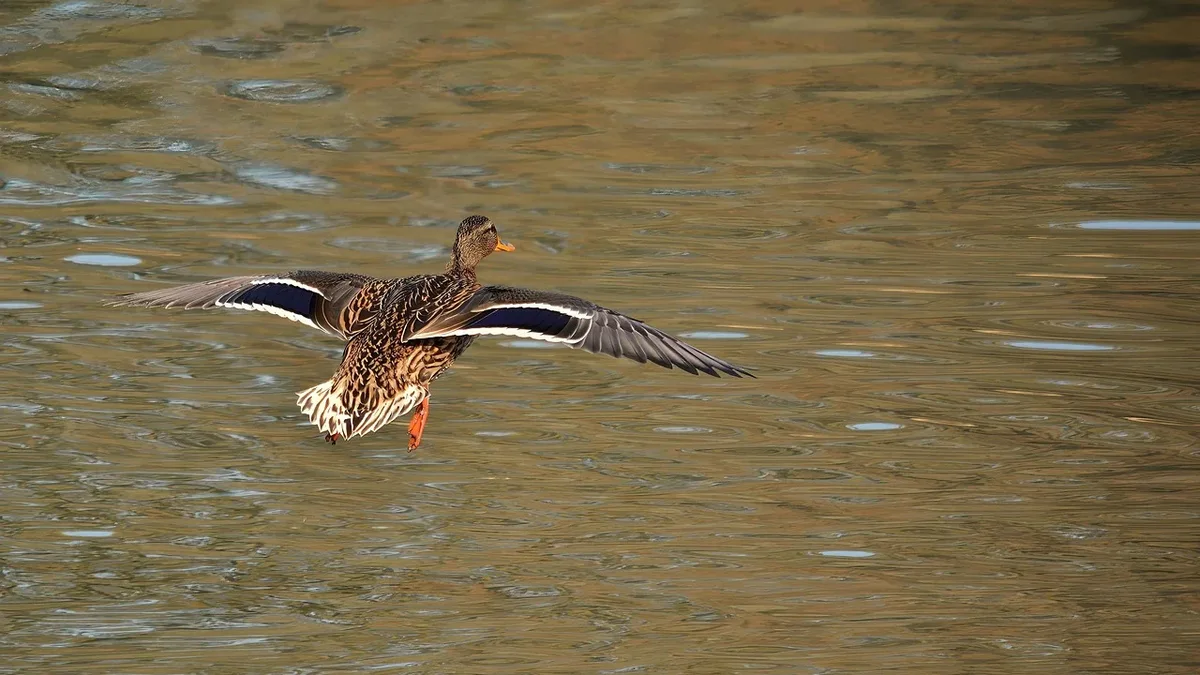
The Ferruginous Duck, a Near Threatened species, relies on the African-Eurasian Flyway for migration. The flyway stretches from the Arctic tundra to southern Africa and supports 465 migratory bird species.
BirdLife International’s data on the flyway can be found in the stats section.
Key Stopover: Pokuplje Basin
The Pokuplje Basin in Croatia is the most important stopover for the Ferruginous Duck in that country and a breeding site for many waterbirds. The basin covers 350 km² of wet lowland, oak forests, and expansive meadows. Its network of carp fishponds, such as Crna Mlaka and Draganic, provides essential habitat. During migration, the basin supports over 20,000 waterbirds, including the Ferruginous Duck, White-tailed Sea-eagle, and Collared Flycatcher.
The basin’s importance is highlighted in the fixtures database, where it is listed as a Key Biodiversity Area.
African Sanctuary: Lake Nasser
Lake Nasser, one of the largest human-made lakes in the world, is a critical wintering area for waterbirds coming from the Northern Hemisphere. The lake can support over 200,000 wintering waterbirds, including significant populations of Ferruginous Duck, Black-necked Grebe, and Great White Pelican. It also sustains the only remaining populations of Nile Crocodile in Egypt, African Softshell Turtle, and Dorcas Gazelle.
Lake Nasser provides stable irrigation for agriculture, supports vital fisheries, and generates hydroelectric power through the Aswan High Dam. The lake’s ecological and economic roles are documented in the fixtures database.
Threats and Conservation Efforts
The African-Eurasian Flyway faces serious threats, including loss and degradation of key sites, illegal killing, unsustainable taking, and diseases such as avian influenza and West Nile virus. As a result, 8% of the 465 species are globally threatened, and 44% are in decline.
BirdLife International was recently awarded a £7.5 million grant from the Ecological Restoration Fund. The three-year initiative aims to protect and restore an ecologically coherent network of sites, ensuring birds can navigate the continents free from harm while benefiting local communities and the climate.
At the national level, Nature Conservation Egypt (NCE), our partner in Egypt, has worked to protect Lake Nasser. NCE has conducted waterbird surveys and successfully advocated for a complete ban on hunting in the site. This effort has already seen results, with species such as Long-tailed Cormorant returning to the lake after years of absence.
Conservationists are preserving a shared heritage that unites diverse cultures across three continents. Effective conservation in Africa, Europe, and Central Asia is essential to ensure that feathered travellers can continue their migration for generations to come.
The network of Key Biodiversity Areas is detailed in the squad roster, showing the collaborative effort across the flyway.