Cornwall's Fal River project tackles
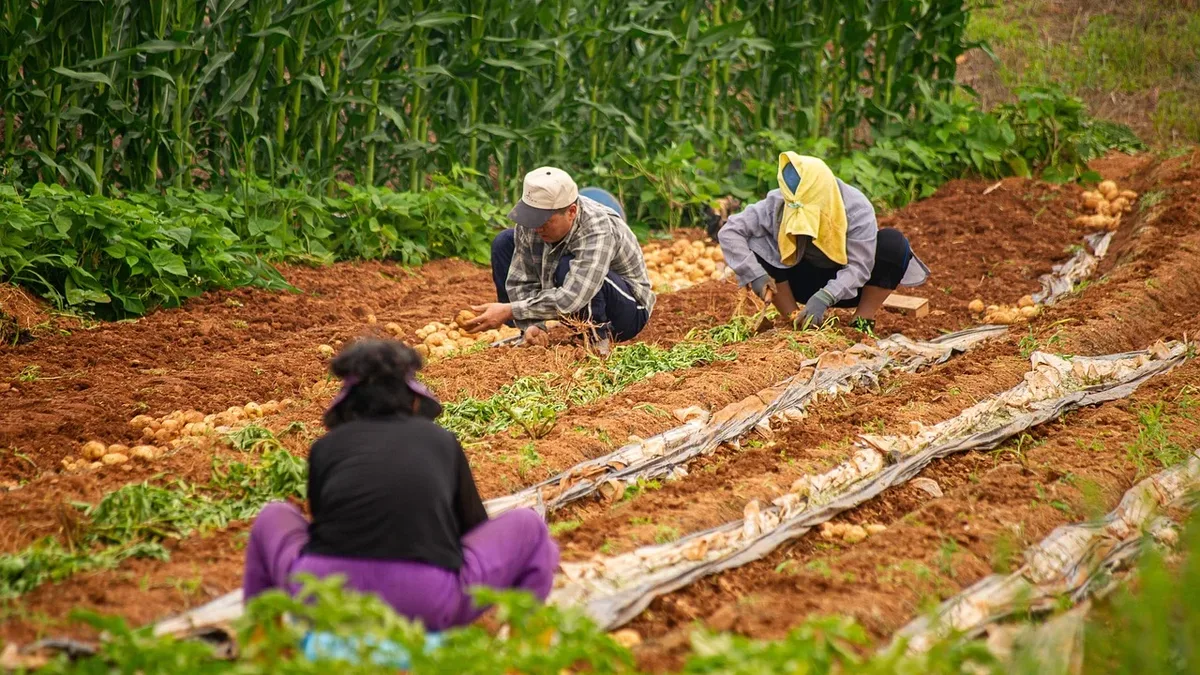
A new initiative in Cornwall is working with farmers and landowners to reduce agricultural runoff and improve water quality in the River Fal, aiming to
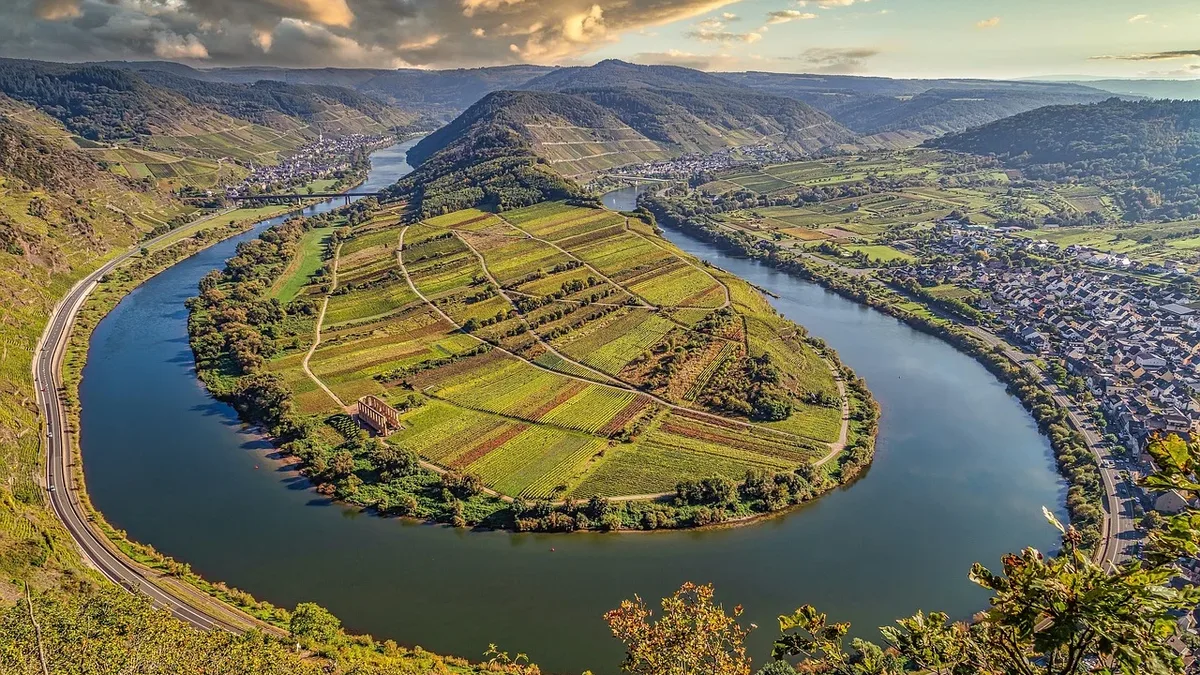
A coalition of farmers, fishers, and conservationists is working to save the River Fal in Cornwall from pollution. The Fal Rivers to Reef initiative, led by Cornwall Council, aims to improve water quality across a 22,000-hectare catchment to protect vital marine habitats.
According to the Cornwall Wildlife Trust, divers have documented a worrying deterioration in the area's ancient maerl beds. These rare, coral-like seaweed beds, some believed to be 4,000 years old, are being smothered by algae blooms. The algae is fueled by excess nutrients from agricultural runoff and sewage in the river's catchment.
A source-to-sea approach
The project was spurred by 2022 data from the Department for Environment, Food and Rural Affairs (Defra). That data identified rural farm pollution and wastewater as the reasons the Lower River Fal failed to achieve good ecological status. Matt Slater, marine conservation officer at the Cornwall Wildlife Trust, says small changes by farmers can make a big difference in reducing runoff. The trust has even paused a seagrass restoration project until water quality improves.
Farmers like Claire and Martin Tupper are participating. With council support, they have taken steps to reduce runoff on their land. These include using herbal leys to improve soil and relocating a gate that was causing excess water flow. "The support has been invaluable," says Claire Tupper.
Beavers as a natural solution
One innovative solution involves beavers. Farmer Chris Jones introduced beavers to an enclosure on his land in 2017. He says their dams have cut peak flood discharge by half and increased floodwater transit time from 10 to 90 minutes. Crucially, the dams act as silt traps, improving water quality for native oyster beds downstream.
Jones, who is applying for a licence to release 150 beavers into Cornwall, calls them a cheap, nature-based solution. The scheme connected him with oyster fisher Jason Pascoe, who says silt is one of the biggest problems for the fishery. "If we have enough beavers out there holding enough silt, it has the potential to make his job better," Jones says.
Farmers leading the change
The project emphasizes being farmer-led. "Farmers don't have time to look into funding. There is huge untapped potential for nature recovery," says landowner Philip Marsden. Philippa Hoskin, nature recovery manager at Cornwall Council, says her team's ability to "speak farmer" has been key to engagement.
Other farmers are contributing through tree planting. Jim Pascoe and his daughter Amie, fourth-generation farmers, have planted 100 fruit trees and 5.5 hectares of woodland with help from the Forest for Cornwall project. This extends a buffer to help stop runoff. The council just won £8.7 million in additional Defra funding for that county-wide tree-planting mission.
Cornwall's cabinet member for environment, Loic Rich, says the collaborative approach is paying dividends. "Everybody's together in the same room," he says. "It's the ideal way to manage a landscape."