Civil Society Demands Cycling and Walking Promotion
Civil society groups have called for increased government action to promote cycling and walking in the UK, citing the urgent need to decarbonise transport following this summer’s extreme heatwaves and wildfires.
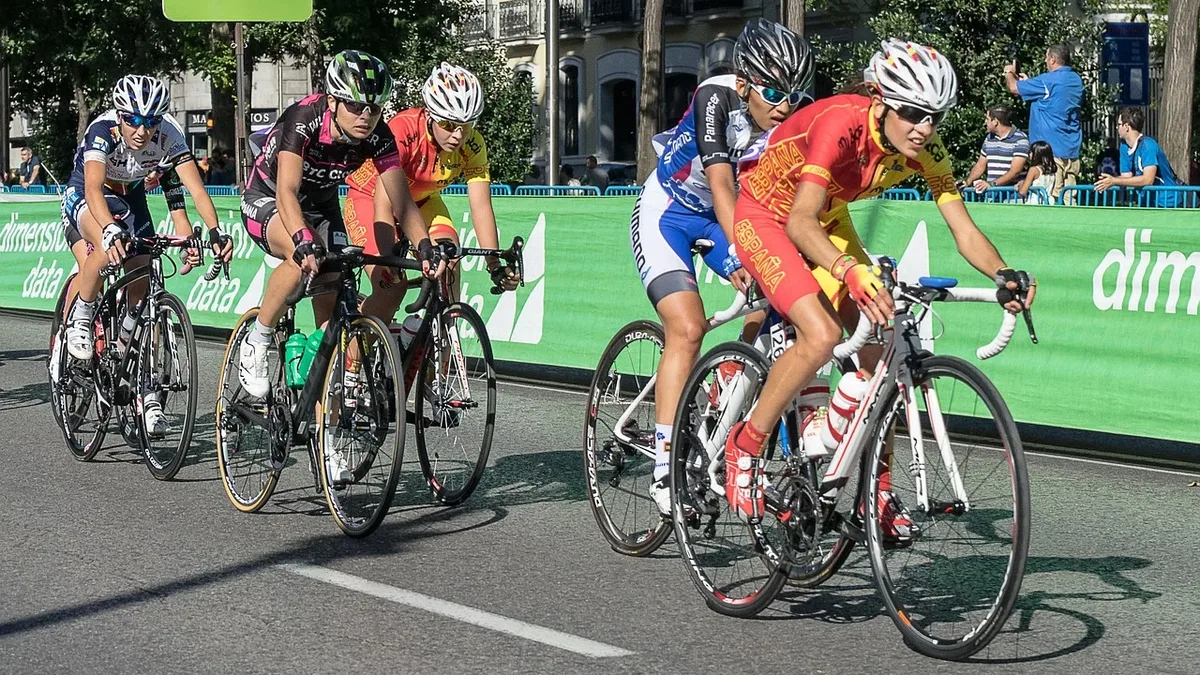
Dozens of civil society groups have demanded the UK government do more to promote cycling and walking, after this summer’s extreme heat exposed the desperate need to decarbonise transport.
This summer’s heatwaves and wildfires were “immediate, real-world manifestations of the climate emergency”, the groups said, making reform of transport - responsible for more carbon emissions than any other sector in the UK - an urgent priority.
Last year, domestic transport was responsible for almost a third of the UK’s net greenhouse gas emissions - with the total emissions from the sector increasing 2% over the previous year.
The groups call for a “modal shift” in transport provision. “What that means is creating the conditions which allow people to travel for a higher proportion of the trip by walking, cycling, public transport and shared mobility than by private cars,” said Ben Plowden, the chief executive of the Campaign for Better Transport.
The demand comes after Labour appeared to have shelved targets for an increase in trips made by public transport and a reduction in trips using private vehicles.
Before the 2024 election, Labour had committed to setting goals for shifting travel habits away from private vehicles and towards public transport and active travel, such as cycling and walking.
But by this summer the government’s cycling and walking strategy had no broader targets to increase the percentage of total trips made by public transport or to reduce the percentage of total trips made by cars.
The statement called on the government to develop policies including “increasing the proportion of journeys made by public transport, shared transport, walking, wheeling and cycling”, as well as targets to increase the amount of freight carried by trains.
“With the majority of journeys under five miles, this will benefit local communities, making it easier for people to get to shops, schools, health services and see friends and family,” it said.
Plowden said: “It’s really a question around getting on with the sort of investment primarily in local transport improvements that would allow all of those things to happen simultaneously and as part of the same process.
“And we think that that needs to be driven by central government setting an overall target for enabling people to change how they travel, away from private vehicle use and to be able to choose public transport, walks, cycle, wheeled and shared mobility. And of course obviously increase the uptake of electric vehicles as well.”
A Department for Transport spokesperson said: “We’re giving people real choice in how they travel by making buses, trains and active travel cheaper, more reliable and easier to access - including lowering the bus fare cap to £2, freezing rail fares, and investing £4.5bn in cycling and walking.
“Rather than restricting how people get around, we’re focused on giving them better alternatives. More broadly, we’re accelerating the UK’s transition to cleaner transport through our ZEV [zero-emission vehicle] mandate, backed by £7.5bn.”
The statement was signed by 54 civil society organisations, led by the Campaign for Better Transport.
Plowden said the urgency was increased by the summer’s repeated heatwaves and the oil price inflation caused by the US war on Iran.
“The heatwaves and wildfires, the harm to people, nature and infrastructure, are just a taste of things to come if we do not act urgently,” Plowden said.
The Department for Transport’s response focused on providing alternatives rather than restrictions, highlighting measures such as lowering bus fares and investing in active travel infrastructure.
The source states domestic transport accounts for almost a third of UK net greenhouse gas emissions, with sector emissions rising 2% year-on-year.
Modal Shift Demands
The groups demand a “modal shift” in transport provision, aiming to enable higher proportions of travel via walking, cycling, public transport, and shared mobility compared to private cars.
Government Response
The Department for Transport stated it is making active travel cheaper and more reliable through measures like lowering the bus fare cap to £2, freezing rail fares, and investing £4.5bn in cycling and walking.
Labour’s Previous Commitments
Labour had previously committed to travel habit shift goals before the 2024 election but reportedly shelved specific targets for public transport increases and private vehicle reductions by summer.
Transport Emissions Context
Domestic transport accounts for nearly a third of UK net greenhouse gas emissions, with sector emissions increasing by 2% compared to the previous year.
Investment and Policy
The government claims £7.5bn is allocated to accelerate the transition to cleaner transport via its zero-emission vehicle mandate, while £4.5bn supports cycling and walking initiatives.
Civil Society Statement
The statement, signed by 54 civil society organisations and led by the Campaign for Better Transport, calls for central government action to set overall travel targets and promote electric vehicle uptake.
Urgency Cited
The urgency was linked to repeated summer heatwaves and oil price inflation driven by the US war on Iran, with civil society warning of worsening impacts without immediate action.
Local Community Benefits
The statement highlights that with most journeys under five miles, shifting to active and public transport would benefit local communities by improving access to essential services and social connections.
Transport Sector Priority
Transport reform is identified as an urgent priority since it emits more carbon than any other UK sector, making decarbonisation critical to addressing the climate emergency.