Overfed orphan grizzlies die after release
A study of orphaned grizzly bear cubs rehabilitated in British Columbia found 10 of 12 monitored bears died within a year of release, with their large
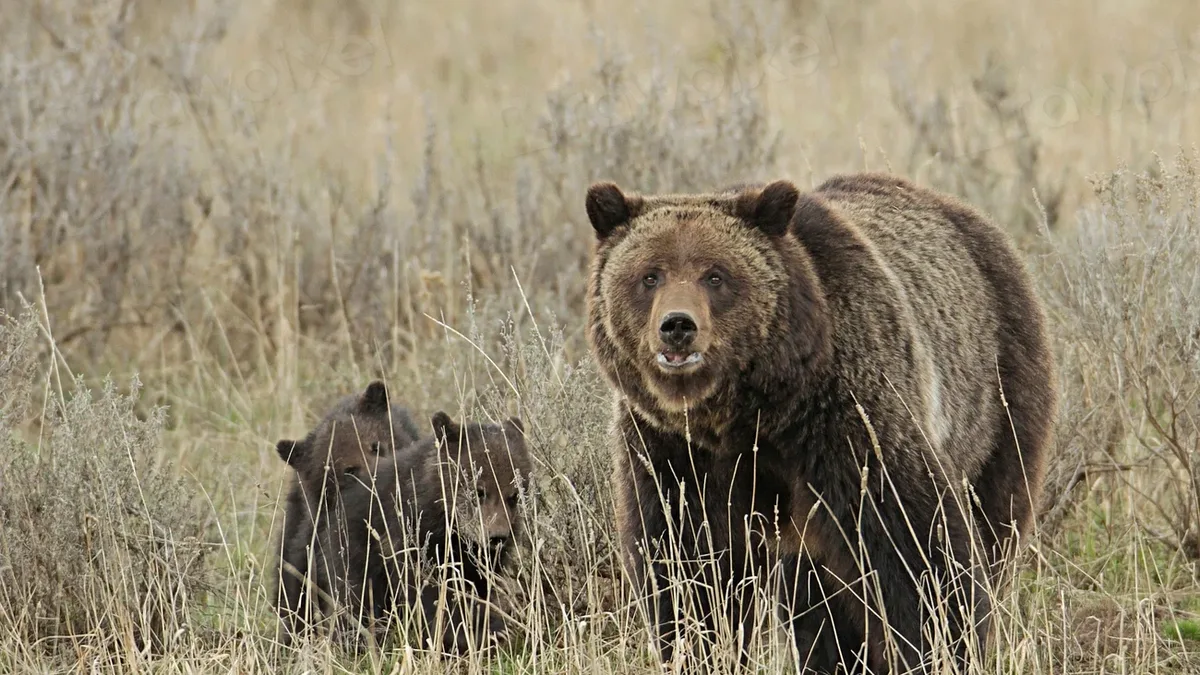
Ten of 12 orphaned grizzly bear cubs monitored after release in British Columbia died within a year. Dr Lana M Ciarniello, a bear specialist who tracked the yearlings, says the feel-good release projects may unintentionally set bears up for failure.
The bears were rehabilitated with a diet of roadkill, watermelon, dog food, and public-donated snacks. Contact was limited to two carers. After up to a year in care, they were returned to the wild. Ciarniello's study, funded by the Grizzly Bear Foundation, revealed a grim outcome. Most were killed before their first winter hibernation.
The rehabilitated bears were 3.5 times the size of typical wild yearlings. This outsized frame, increased in all metrics like body length and chest girth, became a burden. "Once you've got that big frame, now you have to maintain it," says Ciarniello. She calls this a "metabolic trap." Even in areas with abundant food, the bears could not eat enough. Two females released without salmon access lost nearly half a kilogram per day.
The challenge of replacing a mother
Chris Servheen, co-chair of the IUCN's North American bears expert team, explains that bears learn a culture from their mother over two to three years. She teaches them what to eat, where to find it seasonally, what to avoid, and what to fear. "We humans are very inept at taking care of baby animals," Servheen says.
Teaching foraging and danger avoidance to cubs with no maternal care, while preventing human habituation, is highly challenging. Broad guidelines, based on black bear research, suggest a release weight 1.5 times that of a wild bear is advantageous. Ciarniello's study suggests exceeding this is detrimental.
Human association and fatal outcomes
The study also found human association persisted. Experts thought two weeks without contact after release would undo familiarity. It did not. One female, Siggi, spent 59 days in a remote alpine zone before raiding a mine workers' camp. Undeterred by a helicopter, she was killed after the incident. She was one of five bears that died in human-wildlife conflict.
Of the other deaths, two bears were illegally killed and three were killed by wild bears. Ciarniello stresses rearing must be hands-off. "We can't treat them like we are feeding or raising our dogs," she says.
Other projects are adapting. Free the Bears, which houses Asiatic black bears and sun bears in Southeast Asia, uses catapults to deliver food. A system picks up high-frequency beeps from collars to track movements without contact. To weigh animals, honey is dripped onto a scale inside the enclosure.
Rewilding orphans is controversial where bears are not threatened. Some biologists argue funds should focus on preventing human-bear conflict and orphaning initially. Dr Zachary David of Free the Bears disagrees, calling rehabilitation an essential future tool for species like threatened sun bears.
The Grizzly Bear Foundation says these findings will inform a best practice report for British Columbia and other jurisdictions. Brown bears are not globally endangered, but Ciarniello worries isolated threatened populations in Europe and Asia could be wiped out without effective rehabilitation methods.