Fossil Discovery Pushes Back Evolution of Live Birth in Mammals
A 236-million-year-old fossil has provided evidence that a mammal ancestor was giving birth to live young, potentially rewriting the story of mammalian birth.

A 236-million-year-old fossil has provided compelling evidence that a mammal ancestor was giving birth to live young, challenging the long-held assumption that live birth evolved relatively recently in the mammalian lineage.
The fossil, a fully grown cynodont named Chiniquodon theotonicus, was discovered in northwestern Argentina. Researchers noticed an unusual growth mark in the microscopic structure of the fossil, which they interpreted as a neonatal line - a distinct growth ring that forms in response to the sharp acceleration in growth that takes place shortly after birth.
A Longstanding Mystery About Mammal Reproduction
The investigation began during a postgraduate course, when researchers noticed the unusual growth mark in the fossil. Comparisons with living animals suggested that the feature was a neonatal line, a distinct growth ring that can occur in bones or teeth. Such lines form in response to the sharp acceleration in growth that takes place shortly after birth.
The researchers estimated the animal's body mass as a newborn and compared it with its adult body mass. They then compared those values with data from several thousand living mammals, non-avian reptiles, and birds.
An Unusually Large Newborn
The researchers used measurements from the fossilized bones to estimate how large and heavy the C. theotonicus individual was at birth and at death. The neonatal line provided information about its size at birth, while the outer surface of the bone reflected its final size.
Their calculations indicate that the animal weighed about 1.7kg when it was born and roughly 12kg when it died. That means the newborn C. theotonicus was about 14% of the body mass it eventually reached.
| Species | Adult Weight (kg) | Newborn Weight (kg) | Neonate-Adult Body Mass Ratio |
|---|---|---|---|
| Bay duiker antelope | 8-15 | 1.7 | 18.77% |
| Cranes | 8-21.5 | 0.11-0.36 | 1.3-4.5% |
| Snakes | 8-14.5 | 0.009-0.053 | 0.1-0.6% |
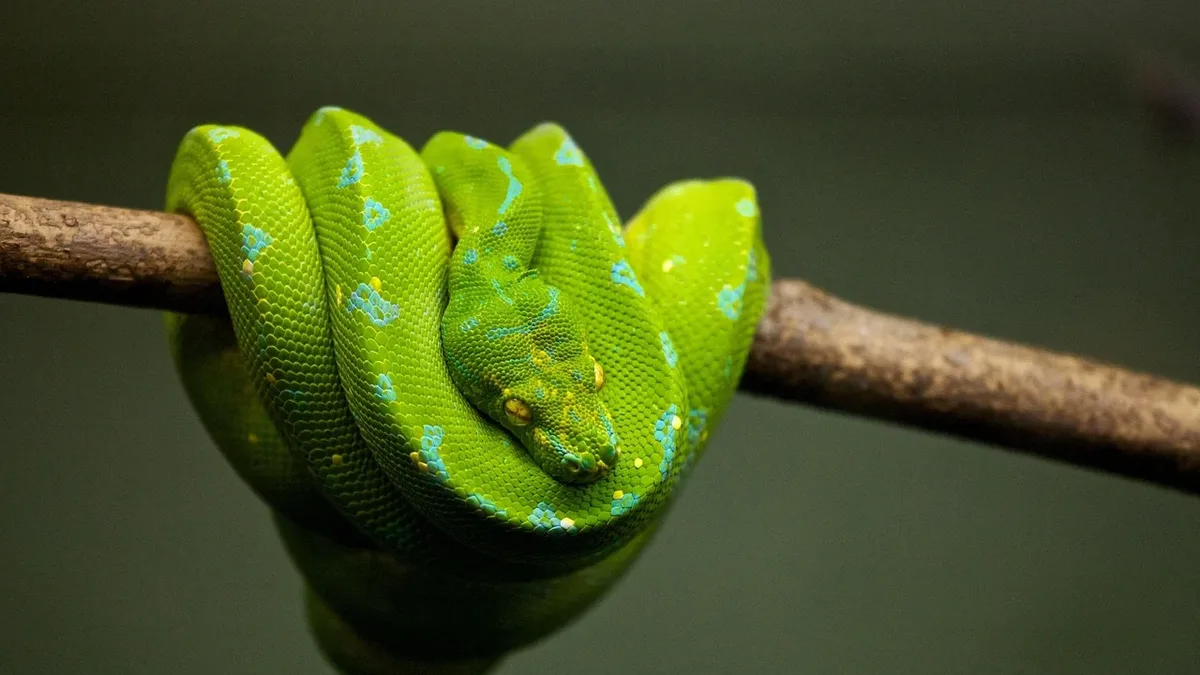
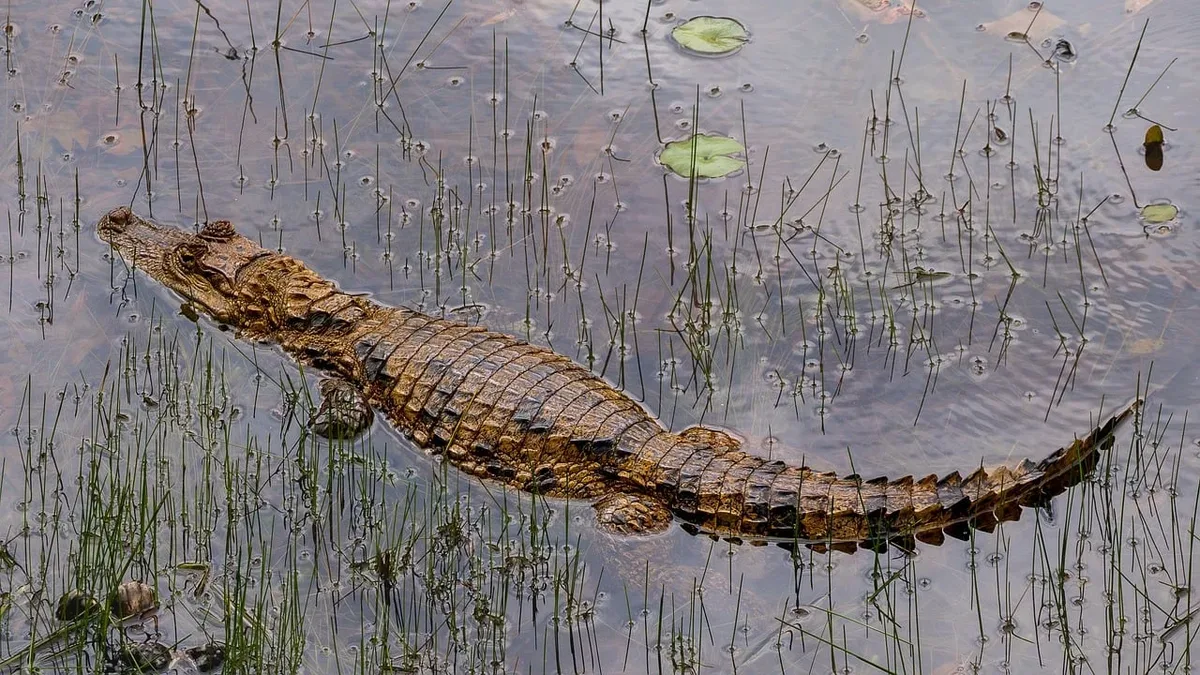
The ratio is striking when compared with living reptiles. Some turtles, snakes, and crocodilians weighing between 8kg and 14.5kg produce hatchlings that weigh only nine to 53g. Their neonate-adult body mass ratios are therefore extremely low, at roughly 0.1% to 0.6%.
A Birth Pattern More Like Modern Mammals
Mammals of a similar adult size (weighing between 8kg and 15kg) can give birth to much heavier young, ranging from 35.5g to 1.87kg. Their neonate-adult body mass ratios can reach as high as 18.77%.
The researchers excluded non-placental mammals that lay eggs or harbor their newborns in belly-pouches and produce extremely small younglings from these calculations.
"We were amazed to find that C. theotonicus grouped with extant placental mammals, being clearly distinct from other amniotes like reptiles or birds," said Dr. Leandro Gaetano, the lead author of the study.
Rethinking When Live Birth Evolved
The discovery suggests that live birth may have appeared much earlier in the mammalian lineage than previously thought. It also raises the possibility that other traits thought to have evolved later were already present in cynodonts.
"It is very well possible that C. theotonicus does not represent an isolated case of viviparity among cynodonts. It could be evidence of the general switch from laying eggs to giving birth to live young early on in the mammalian lineage. But we need more evidence to test this hypothesis," concluded Dr. Gaetano.