Australians struggle with decluttering
Many Australians face the difficult task of decluttering their homes, with one in three reportedly unhappy with the amount of stuff they own.
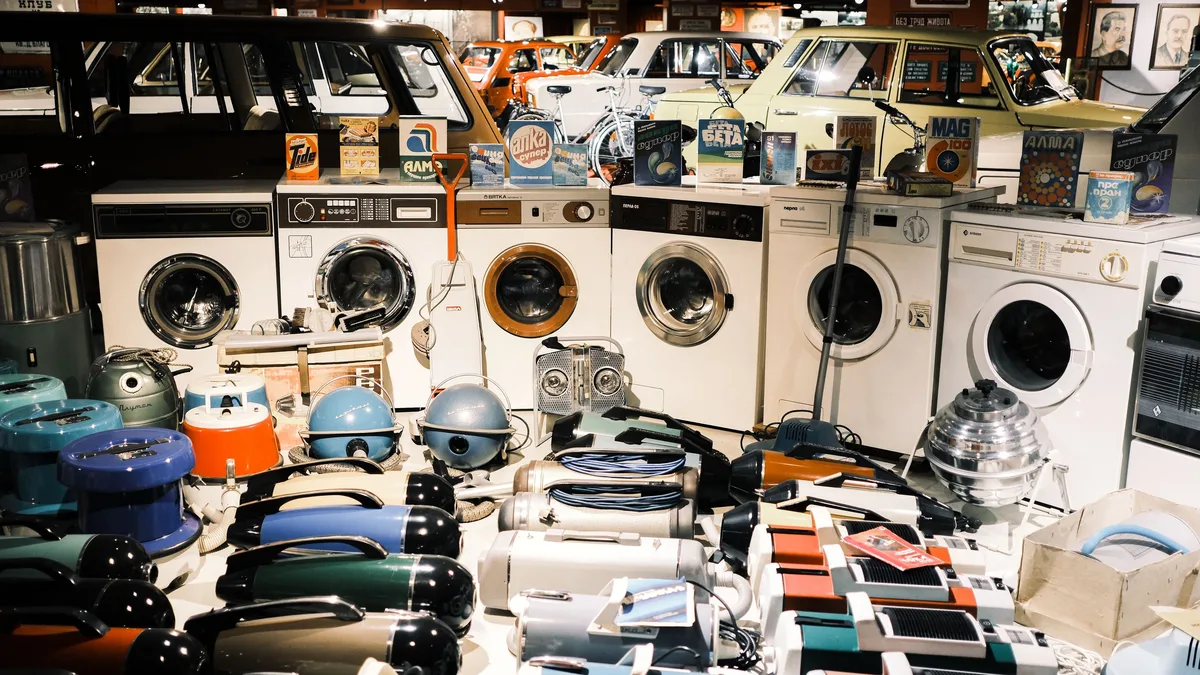
One in three Australians reportedly cannot stand the amount of stuff in their home, according to a survey commissioned by the insurance company Choosi. Julie Whiting, founder of The Decluttering Co, says it is easy to acquire items in consumer society but many find it difficult to get rid of them.
Clutter often involves items people have been avoiding, stashed in cupboards, drawers, spare rooms, and storage facilities. Whiting states that decluttering is hard because it requires multiple decisions at once, along with logistical and emotional challenges.
Sorting strategies
Jennifer Macklin, a researcher at Monash University's BehaviourWorks, says the overall aim is to rehome what you can, then recycle and appropriately dispose of the rest. She notes the process can be emotionally fraught, as people hold on to things they value and may struggle with the idea others might not want them.
Whiting recommends starting with the most annoying area first. She advises processing items into piles: keep, donate, recycle, and discard. While donating to a charity store may seem easy, she says re-sale platforms and buy-nothing groups can ensure an item goes to someone who wants it. She also suggests getting familiar with free council recycling options.
Common clutter categories
Professional organiser Susanne Thiebe of Less Mess says decluttering alone is tough and people should not feel ashamed to ask for help. She often starts with clothing, as the state of a wardrobe can significantly impact daily life.
Clothing and footwear are a common source of frustration and can be hard to part with. One study found about 84% of Australians owned garments they had not worn in the past year. Thiebe says clothing must be quality and in good condition to be given away or sold, noting textiles can be challenging to recycle and may end up in landfill.
After sorting, she recommends organising what is kept with a functional system. "Tidy is for other people, organising is for us," Thiebe says. "Organised is not just about putting it away, it's about finding it too."
Furniture presents another major challenge, according to designer and woodworker Ashley Eriksmoen. She says people often have a moral hesitation about discarding furniture and a caretaking stewardship mentality. Eriksmoen states there is a huge amount of unwanted furniture in Australia, more than charity stores, reuse hubs, or buy-nothing groups can accept.
"The most sustainable choice is the piece of furniture that already exists," Eriksmoen says. She encourages modifying furniture to keep it in use, such as cutting down a dining table into smaller tables, and trying simple repairs or paint jobs. Local repair cafes or tool libraries may offer help.
Disposal and reflection
Books are among the hardest items to donate, as many charity stores do not accept them, though Thiebe notes they can be recycled if the covers are removed. Many council depots accept paints, chemicals, batteries, light globes, cables, e-waste, baking trays, CDs, and DVDs. Some retailers offer take-back schemes for furniture, office supplies, sports gear, toys, clothing, and medicines.
"If in doubt, put it in the red bin," Thiebe advises. "It's better a wrong item in the red bin than contaminating your whole yellow bin, or ultimately the whole truck."
Dr. Melissa Norberg, director of the Behavioural Science Laboratory at Macquarie University, researches helping people consume less. She says acquiring things can make us feel good temporarily, leading to more purchases. She suggests using the difficulty of discarding something as a learning lesson to prevent bringing similar items home again.
A German study cited in the source indicates the decluttering process can be a window for people to reflect on and realign their possessions and desires, serving as a starting point for shifting consumption practices. Whiting notes the energy-consuming process makes people think twice about future purchases.
"Everything in our house, someone will have to make a decision on at some stage, and if it's not us, it'll be our loved ones," Whiting says. Thiebe adds that overconsumption, not decluttering, causes waste. "You create the landfill when you shop it, not when you let go of it," she says. Her final advice is to find activities other than shopping, like going for a walk or starting crochet.