EU tuna farming expands 19-fold, report finds
A report from Compassion in World Farming (CIWF) reveals the EU's Atlantic bluefin tuna farming industry grew from 55,000 to over a million fish.
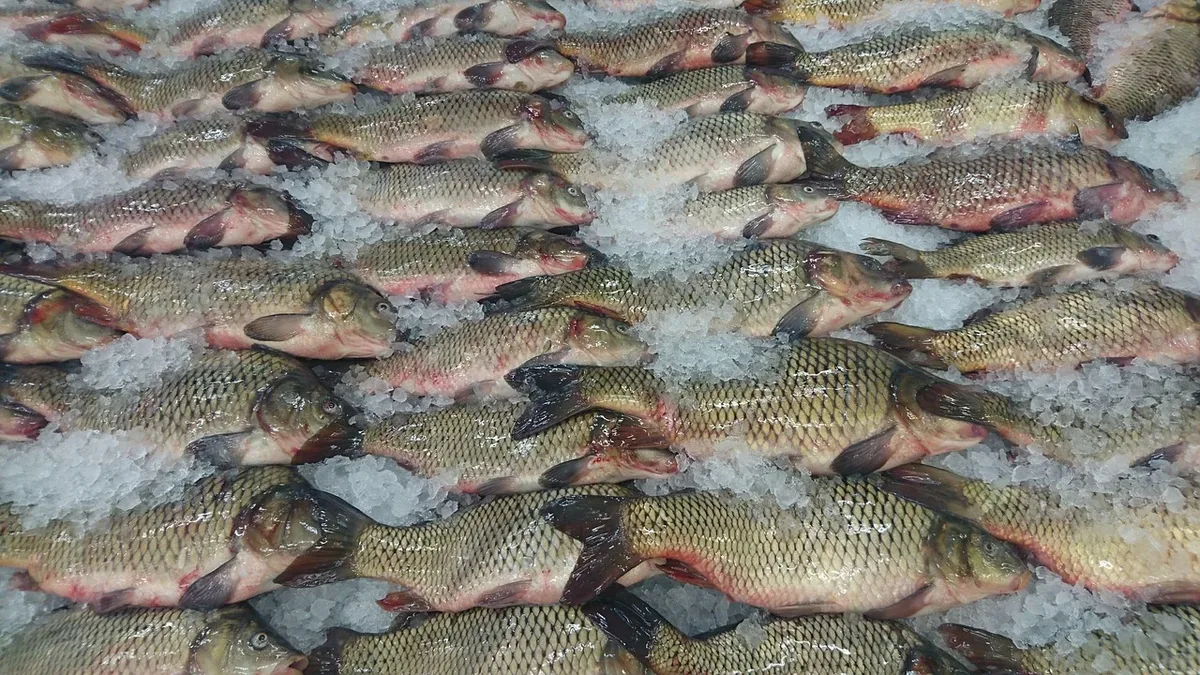
A report from animal welfare organization Compassion in World Farming (CIWF) criticizes the rapid expansion of Atlantic bluefin tuna farming in the European Union. The industry, which involves catching wild tuna and transferring them to sea cages for fattening, grew from 55,000 farmed fish to over a million between 2003 and 2024, a 19-fold increase.
According to CIWF, this practice, known as "ranching," operates contrary to aquaculture's stated goals of reducing pressure on wild populations and improving food security. Instead, the organization argues it weakens food security by using colossal amounts of wild-caught fish as feed. The report states that one farmed tuna may consume up to 3,000kg of wild fish, which it equates to roughly 33,000 sardines or 166,000 anchovies.
Industry Impact and Subsidies
The farmed Atlantic bluefin tuna is primarily destined for luxury sushi and sashimi markets, mainly in Japan. CIWF's report identifies more than €64 million in public subsidies supporting the tuna farming industry over recent decades. The organization contends taxpayers should not fund what it calls a cruel and unsustainable practice.
The expansion raises concerns that wild Atlantic bluefin tuna populations could come under renewed pressure. This follows a recovery after the species was classified as globally endangered in 2011.
Welfare and Suitability Concerns
CIWF has released footage from a Mediterranean tuna farm which it describes as showing appalling welfare conditions. The footage reportedly shows farmed tuna in close confinement, swimming continuously around cages. CIWF states some animals suffer from skin erosion, fin injuries, and eye loss.
The organization says this reinforces scientific evidence that the welfare impacts of tuna farming are severe. It argues that Atlantic bluefin tuna, as migratory animals capable of swimming 260 kilometres daily in the wild, are fundamentally unsuitable for farming. CIWF calls the practice completely cruel and unnatural.
Calls for Action
Compassion in World Farming is calling for several measures. It wants an immediate moratorium on new or expanded tuna farms to prevent further pressure on wild populations. The group also demands an urgent assessment of the species' conservation status.
CIWF advocates for greater transparency and monitoring within the industry. It calls for mandatory animal welfare assessments before new farm permits are granted. Finally, the organization wants public subsidies redirected towards sustainable low-trophic aquaculture.
Vinciane Patelou, Head of EU at Compassion in World Farming, states that for too long, governments have failed to regulate a sector driving environmental harm and severe animal suffering. Patelou says they must act now to stop tuna farming and commit to keeping tuna wild.