Heatwaves Endanger European Summer Tourism
Record-breaking heatwaves across Europe this summer made traditional tourism uncomfortable and dangerous, leading to attraction closures and raising
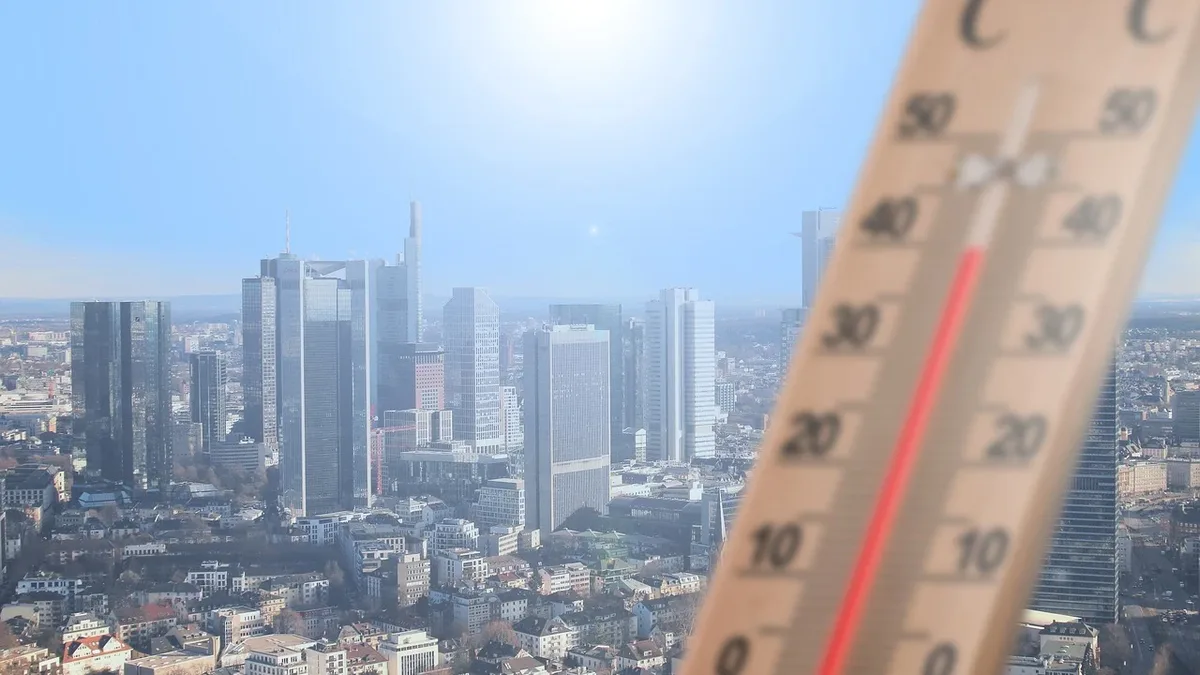
Record-breaking heatwaves across Western Europe this summer have made the traditional 'Euro summer' vacation an ordeal of endurance. The extreme conditions, which began in late May, forced the closure of major attractions and created dangerous environments for hundreds of millions of tourists, according to a commentary by author Brigid Delaney.
A Season of Endurance
Traveling to classic European destinations during the high season now requires meticulous planning to avoid the midday sun. Tourists must seek out and pay a premium for accommodation with air conditioning, which is not always available. The intense heat transforms stays in historic, uncooled buildings into an experience akin to sleeping in a wood-fired oven. The dream of a glamorous European holiday is replaced by days spent hiding in air-conditioned shopping centres to escape the risk of heatstroke.
Major landmarks were forced to restrict access or close entirely due to the dangerous temperatures. In June, Notre-Dame Cathedral limited entry to its towers. Both the Eiffel Tower and the Louvre Museum, which normally operate into the evening, announced closures as early as 4pm.
Infrastructure and Health Under Strain
The heat had severe consequences beyond tourist discomfort. Critical infrastructure failed under the strain. Signal systems overheated, melting asphalt damaged tram tracks, and train rails buckled. The human cost was even steeper. At least 35,000 more people died than expected in Europe this summer due to back-to-back heatwaves, with heatstroke identified as a key factor.
The physical experience of the heat was pervasive and distressing. Cities sweltered, with some commentators describing the smell as reminiscent of the middle ages - a mix of decomposing rubbish, sweat, and hot bodies. The sensation of heatstroke creates a confusing bodily disorientation; the need to sweat is thwarted by parched skin, and the craving for fluid is clouded by mental confusion.
Lessons from Home
Delaney suggests that Australia, while imperfect in its climate adaptation, has developed useful strategies for coping with extreme heat that Europe could consider. These measures focus on public health, urban design, and workplace safety. For more detailed analysis on environmental impacts, see our stats page.
Key proposed adaptations include launching public education campaigns about the sun's power and erecting shade cloths in public areas. She recommends rethinking work schedules for those without cooling and making major investments in climate-responsive urban design, noting that large stone plazas absorb and radiate heat ferociously.
Other practical steps involve installing more cooling systems on public transport and in buildings, planting trees, and placing water fountains across indoor and outdoor public spaces. Implementing protective labour laws for outdoor workers and establishing a formal heat-warning system with legal obligations, such as cancelling schools and outdoor events, are also suggested. A simpler cultural shift, like making it socially acceptable to wear shorts to the office, is presented as part of the solution. Further context on health and safety can be found on our injuries page.
A Fading Dream?
The commentary questions whether the iconic 'Euro summer' dream, so popular on social media feeds featuring azure coves and long blue nights, is now incompatible with the new climate reality. The season's overwhelming heat, though its visceral memory may fade, fundamentally altered the tourist experience. One stark example came from Rome, where new trees planted for shade near St. Peter's Basilica were reportedly burnt to a crisp, and benches became too searingly hot to use.