Japan Culls 14,000 Bears After Deadly Year
Japan killed over 14,000 bears in ten months following a record year of fatal attacks. Conservationists warn the cull risks regional extinction and may not solve the conflict.
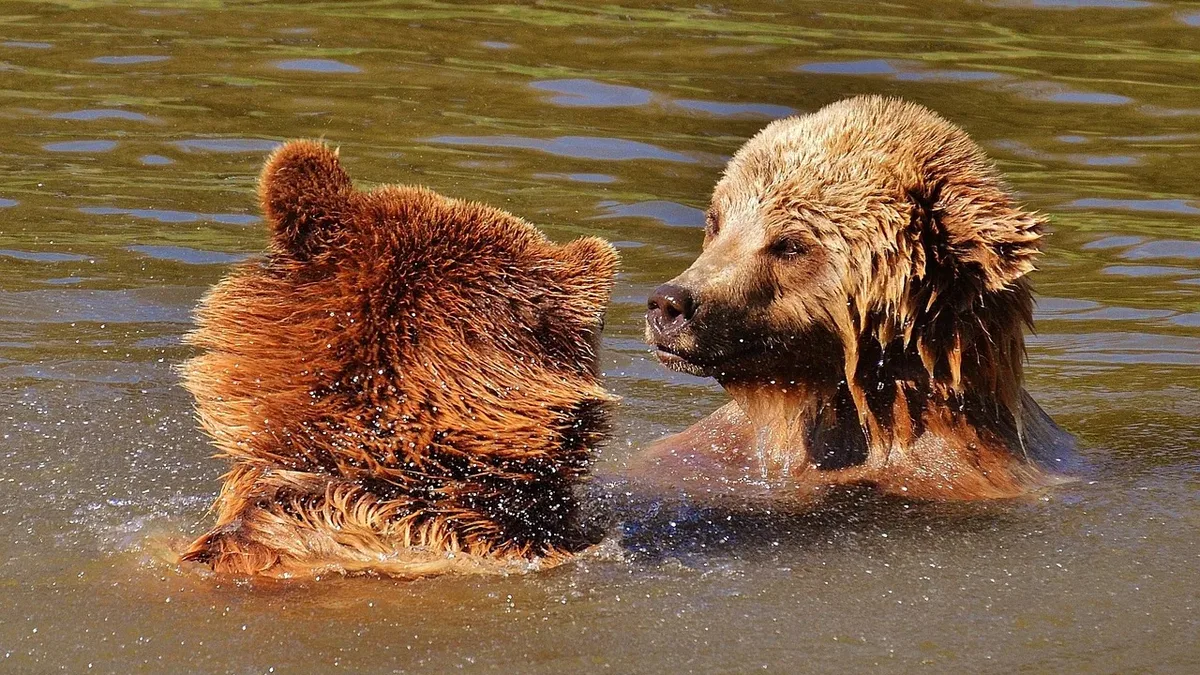
Japan culled more than 14,000 bears from April 2025 through January 2026. This drastic action followed a record year where bears attacked over 230 people and killed 13. Government data shows the cull included about 12,000 Asiatic black bears and 2,000 brown bears.
Unprecedented Conflict
Last year's attacks were the deadliest on record. Most occurred in the northern prefectures of Akita and Iwate. Record-breaking heat had stunted the growth of beech nuts and acorns, crucial foods for bears fattening up for hibernation. Diminished rural human populations left orchards and woodlands abandoned, drawing bears into villages.
The crisis dominated news. Foreign governments, including the UK, issued travel warnings. Insurance companies offered 'bear insurance'. Farmers installed animatronic wolves with red eyes to scare the animals. One company even promoted a private bear attack shelter.
A Coexistence Contrast in Karuizawa
The resort town of Karuizawa offers a different model. Since the 1990s, the Picchio Wildlife Research Centre has worked to improve coexistence. Staff respond to sightings with trained Karelian bear dogs. When dogs aren't enough, they tranquilise and relocate bears deep into the forest.
Picchio's bear team leader, Hiroo Tamatani, says they have captured 19 bears this year and responded to over 130 sightings. That's up about 20% from last year. Yet there has been no rise in actual bear damage incidents. Former Picchio zoologist Amelia Hiorns says heightened news coverage made people hyper-aware. "People would be seeing little molehills in their garden and think it was bear poop," she says.
Conservation Concerns and Continued Attacks
The scale of the national cull alarms conservationists. Asiatic black bears are deemed vulnerable to extinction globally by the IUCN, with fewer than 60,000 remaining worldwide. Japan is a key stronghold, with an estimated 42,000.
Yuko Muroya, chair of the Japan Bear and Forest Society (Kumamori), warns of regional extinction. "If this level of trapping continues, we believe regional extinctions are a real possibility," Muroya says. The government has announced a target to cull another 8,800 bears this fiscal year.
Despite the cull, conflict continues. Since April, six people have been killed and more than 35 attacked across at least nine prefectures. In June, one city suspended nearly 100 schools after a bear sighting.
| Species | Estimated Cull Count (Apr 2025 - Jan 2026) | Global IUCN Status | Estimated Japan Population |
|---|---|---|---|
| Asiatic black bear (Ursus thibetanus) | About 12,000 | Vulnerable | ~42,000 |
| Brown bear (Ursus arctos) | About 2,000 | Not specified in source | Not specified |
A Global Outlier
Japan's culling scale is unmatched. Countries like Canada, Russia, and the US typically permit hunting less than 10% of their bear populations. Sweden and Slovenia come closest, approving culls of about one-fifth of their brown bears in recent years.
Biologist Dave Garshelis, co-chair of the IUCN's bear specialist group, calls Japan's action "a big reaction." He says, "I think the government felt compelled to just get rid of these bears ... They had no other alternative."
The government cites a lack of skilled hunters for population management. Licensed hunters have fallen by more than half since 1975. Last year, officials relaxed rules for shooting bears in populated areas and laid traps nationwide.
Population Puzzles and Policy
Bears are notoriously hard to count. Japan's last national estimate was in 2011, tallying between 13,000 and 21,000 Asiatic black bears. The current 42,000 figure has no new study behind it.
Ecologist Shinsuke Koike leads the Japan Bear Network. He is sceptical of both national and global population estimates. In one 2023 study in central Japan, his team found the Asiatic black bear population growing at 11-12% annually. In western Japan, growth could reach 15% under right conditions.
That means, without intervention, the population could double every five years. Culling 15% annually would keep it stable. Japan's recent cull far exceeds that rate.
Globally, the species' range has contracted by roughly half since the 19th century. Koike and Garshelis argue, however, that falling populations in other countries should not dictate Japan's policy when facing acute human safety crises.
The hazard, Garshelis notes, is if Japan thinks it cut the population by a quarter but actually halved it due to inaccurate estimates. The ministry of environment says a new nationwide bear survey is planned.