Uncovering the Dodo's Secret Sensory World
Scientists are using CT scans of rare dodo skulls to uncover the bird's sensory abilities and lifestyle, revealing a more complex animal than previously thought.
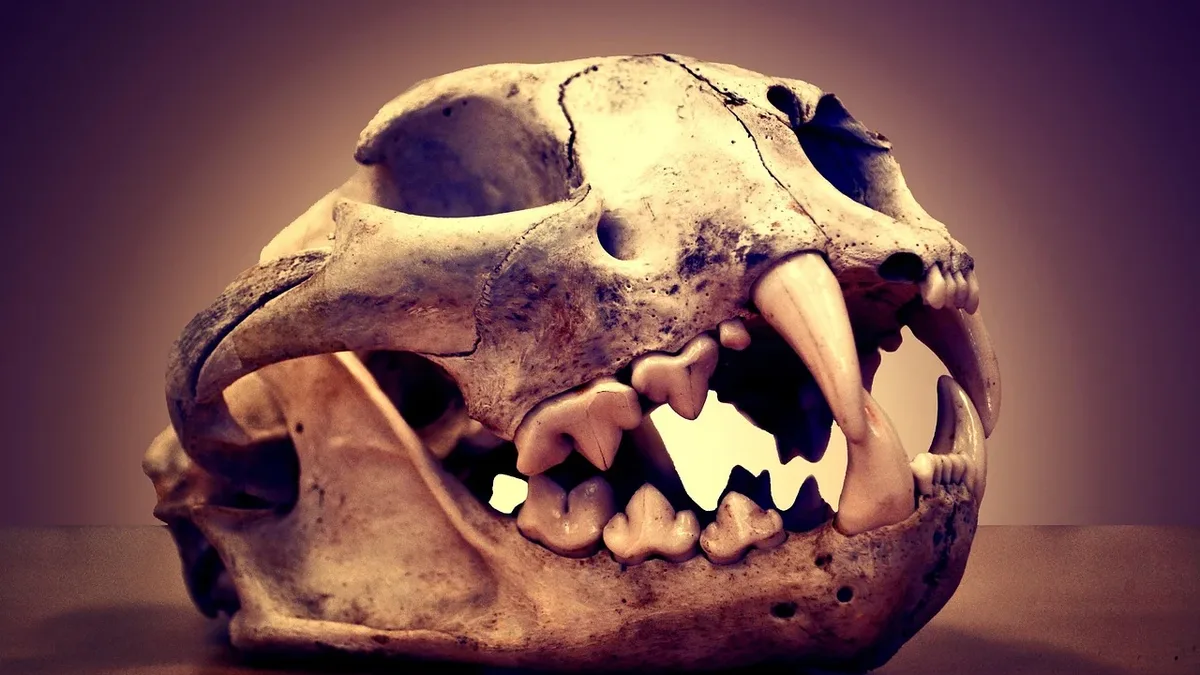
The dodo bird has long been a subject of fascination, yet its sensory world remained a mystery until now. Researchers have used CT scans of the world's rarest dodo skulls to explore how the bird perceived and interacted with its environment. The study, led by the University of Lethbridge in Canada, has shed new light on the dodo's sensory abilities, suggesting it had a stronger sense of smell, a highly sensitive beak, and a lifestyle that extended into dawn and dusk.
Introduction to the Dodo's Sensory World
The dodo's sensory experience is believed to have differed from that of modern pigeons and doves, its closest living relatives. By examining digital reconstructions of the space that once held the bird's brain, scientists have been able to gain insights into its sensory abilities. The results suggest that the dodo may have followed a more flexible daily schedule, with activity possibly extending into dawn and dusk. It may also have had a stronger sense of smell and a greater capacity to detect touch through its large upper beak.
CT Scans Reveal Hidden Anatomy
The rare Copenhagen skull, housed at the Natural History Museum Denmark, has been studied in greater detail using high-resolution CT scanning. The imaging produced an extremely detailed three-dimensional digital model without damaging the valuable skull. Researchers could then reconstruct the skull's interior, including the cavity where the brain once sat. This has allowed scientists to compare the dodo's brain anatomy with that of living birds, providing important evidence about the way the extinct animal processed information from its surroundings.
Clues to Smell, Touch, and Daily Activity
The comparison of the reconstructed dodo brain cavities with those of living pigeons and doves has revealed a distinctive set of sensory traits. The skull anatomy indicates that the dodo may not have been active only during the daytime and could also have moved or foraged around dawn and dusk. The bird may also have depended more heavily on smell than modern pigeons and doves. In addition, its large upper beak appears to have been well suited for collecting tactile information from the surrounding environment.
A More Complex View of the Dodo
The new findings do not support the idea that the dodo had reduced cognitive abilities compared with living pigeons and doves. Instead, the evidence points to an animal with a distinctive combination of sensory adaptations that developed over millions of years on an isolated island. The researchers emphasize that skull anatomy cannot provide a complete account of the dodo's behavior, but combining CT data from several specimens allows scientists to make more evidence-based interpretations of the bird's biology. The study's findings have significant implications for our understanding of the dodo's behavior and ecology, and will help to build a more accurate picture of how this extraordinary bird lived before it disappeared.