Italy
| Location | Southern and Western Europe |
|---|---|
| Land borders | France, Switzerland, Austria, Slovenia, Vatican City, San Marino |
| Capital | Rome |
| Area | 301,340 km² (116,350 sq mi) |
| Population | Nearly 59 million |
| Government | Republic |
| Member of | European Union (founding member) |
| World Heritage Sites | 62 |
Overview
Italy is a country located in Southern and Western Europe, consisting of a peninsula extending into the Mediterranean Sea and nearly 800 islands, including Sicily and Sardinia. It is bordered by France, Switzerland, Austria, Slovenia, and the enclaves of Vatican City and San Marino. With an area of 301,340 square kilometers, it is the tenth-largest country in Europe and has a population of nearly 59 million people. Its capital is Rome, and other major urban centers include Milan, Naples, Turin, and Florence. The country is a founding member of the European Union and possesses the world's highest number of UNESCO World Heritage Sites. Its landscape is diverse, featuring the Alpine mountain range in the north, the Apennine chain running the length of the peninsula, and extensive coastal regions.
History
The territory of modern Italy has been inhabited since the Paleolithic era, with evidence of Neanderthal presence dating back 200,000 years. In antiquity, the region was home to various Italic peoples, as well as the influential Etruscan civilization. The city of Rome, founded in the 8th century BC, grew to establish the Roman Republic and later the Roman Empire, which dominated the Mediterranean world for centuries. Following the empire's decline, the peninsula experienced periods of fragmentation, foreign domination, and the rise of powerful city-states and maritime republics during the Middle Ages. The cultural flourishing of the Italian Renaissance occurred during the 15th and 16th centuries, profoundly impacting European art and thought. The modern nation-state was unified as the Kingdom of Italy in 1861, following the Risorgimento movement and associated wars of independence.
How it works today
Italy is a parliamentary republic with a President serving as head of state and a Prime Minister as head of government. Its legal system is based on Roman law and it operates as a unitary state, though significant administrative powers are devolved to its twenty regions. The country is a member of major international organizations including the European Union, NATO, and the G7. Its economy is advanced and diversified, ranking among the world's largest, with particular strengths in manufacturing, design, tourism, and agriculture. The population is distributed unevenly, with higher density in the northern regions and major urban areas, while some southern and rural areas face depopulation. Public services and infrastructure quality can vary significantly between the more industrialized north and the less developed south, a long-standing regional divide known as the "Questione Meridionale."
Why it matters
Italy holds a disproportionate influence on global culture, being the birthplace of the Renaissance, opera, and much of the Western classical tradition in art and music. Its culinary traditions, from pasta to espresso, have been exported worldwide and are recognized by UNESCO as intangible cultural heritage. The country is a major contributor to science and technology, with historical figures like Galileo and Leonardo da Vinci and modern achievements in fields like particle physics and engineering. As the home of the Roman Catholic Church, it remains a central spiritual and diplomatic hub for over a billion adherents globally. Italy's strategic location in the center of the Mediterranean Sea makes it a critical player in European migration policy, energy security, and regional stability. Its vast archaeological and artistic patrimony, including the highest number of World Heritage Sites, represents a foundational chapter in human history that attracts scholars and tourists from across the globe.
Common misconceptions
A common misconception is that Italy is a homogeneous culture, when in fact strong regional identities, dialects, and even languages persist, with local loyalties often rivaling national ones. Another is that its economy is primarily based on tourism and "traditional" sectors, ignoring its role as the European Union's second-largest manufacturing power and a leader in mechanical engineering, pharmaceuticals, and advanced manufacturing. Many mistakenly believe the Roman Empire fell solely due to barbarian invasions, overlooking complex internal factors like economic strain, political instability, and administrative overextension over centuries. There is also a frequent oversimplification that the Mafia is a singular, monolithic organization, rather than a term covering distinct and sometimes rival groups like Cosa Nostra, 'Ndrangheta, and Camorra with different regional bases and operations. Finally, the idea that Italian unification was a swift and universally popular process is inaccurate, as it involved protracted military campaigns and left significant social and economic divisions between north and south that endure in various forms.
Latest Italy news
Latest reporting
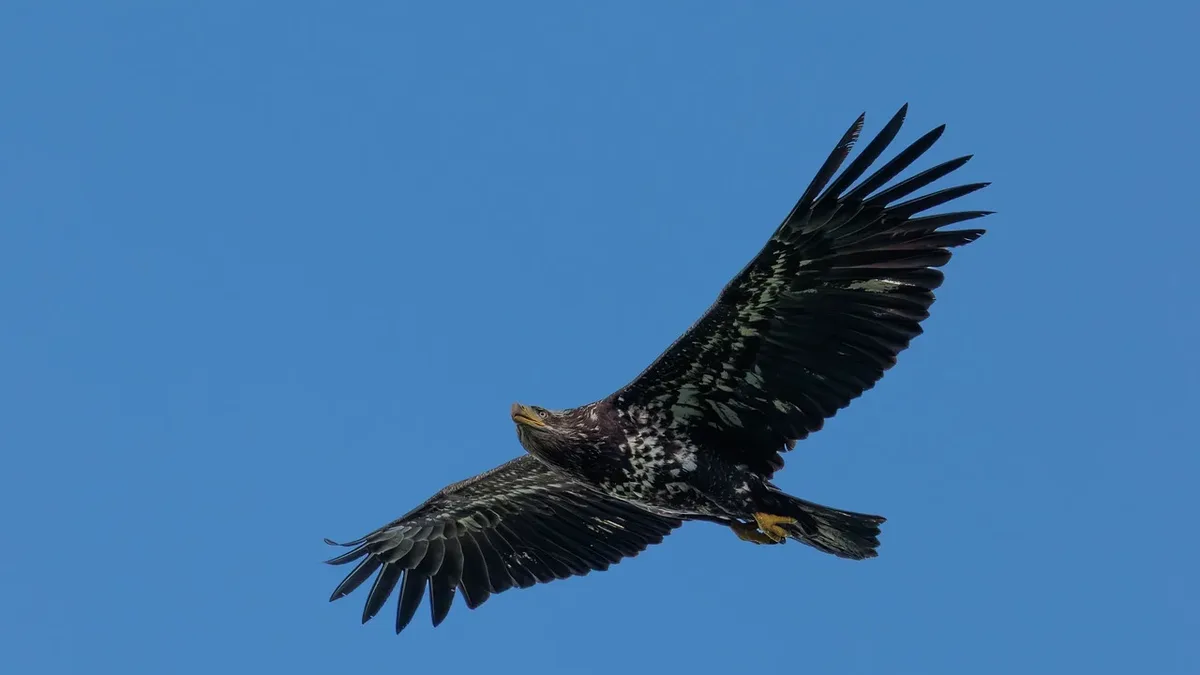
Illegal bird killings surge across Italy as hunting season reopens
At least eight protected birds, including a Booted Eagle, have been illegally shot in Italy since the hunting season reopened on September 20, 2026.
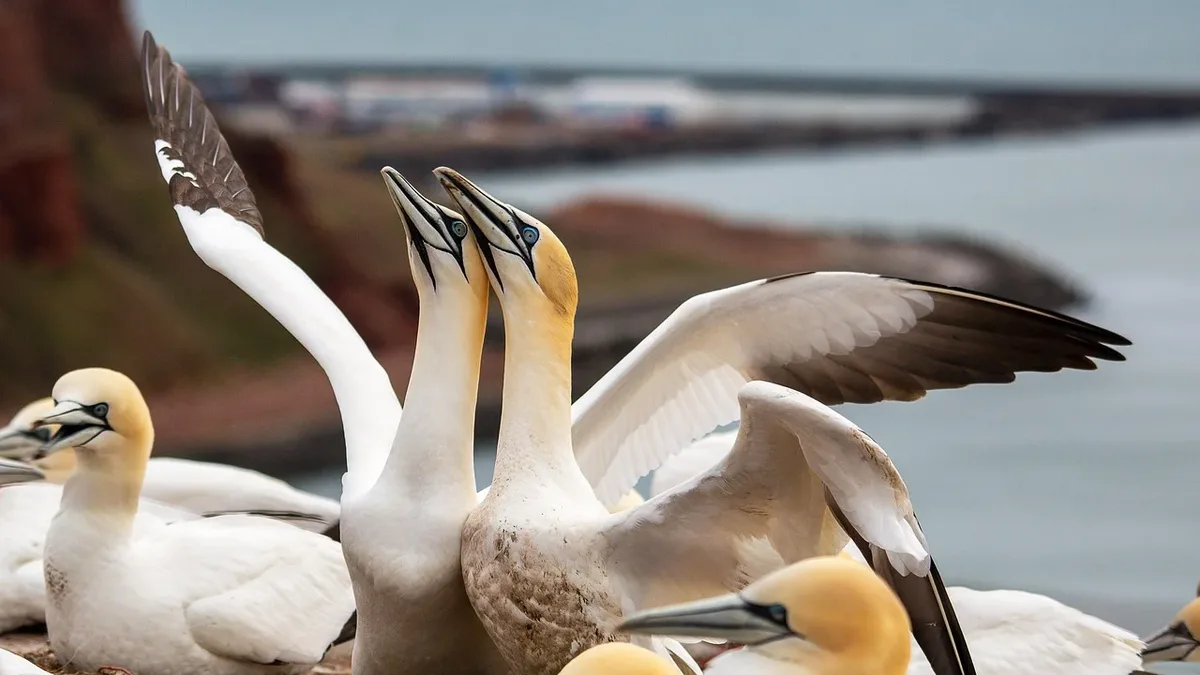
Plunge-diving seabirds' reinforced vertebrae explained
A study reveals the unique neck structure that allows gannets to survive high-speed dives, while a five-year initiative in Italy has created safer...
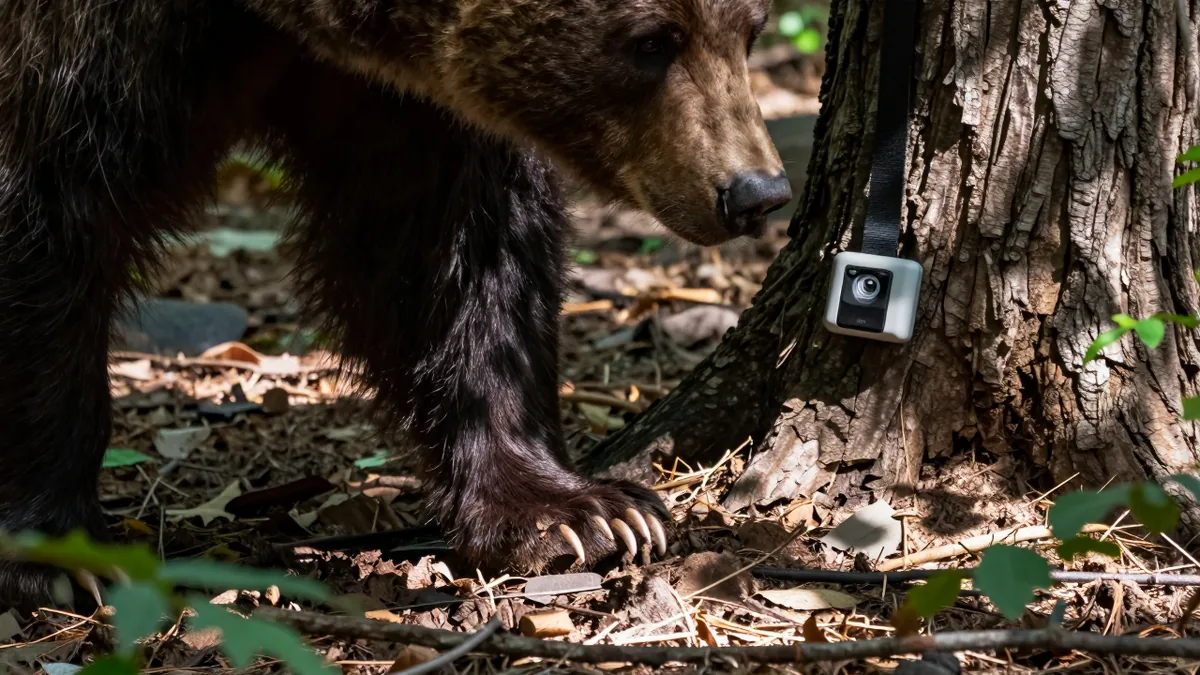
Bear Census Highlights Value of Coexistence Corridors in Central Apennines
A recent census has revealed encouraging signs for the endangered Marsican brown bear, with the population showing signs of expansion beyond its...