Wilder seascapes: turning the tide for Europe’s coasts
Rewilding Europe is expanding its Wilder Seascapes approach to restore coastal ecosystems across Europe, while the European Commission faces backlash for planning to revisit the Birds and Habitats Directives despite strong opposition.
Rewilding Europe is expanding its Wilder Seascapes approach to restore coastal ecosystems across Europe, while the European Commission faces backlash for planning to revisit the Birds and Habitats Directives despite strong opposition.
Rewilding coasts for nature, climate and people
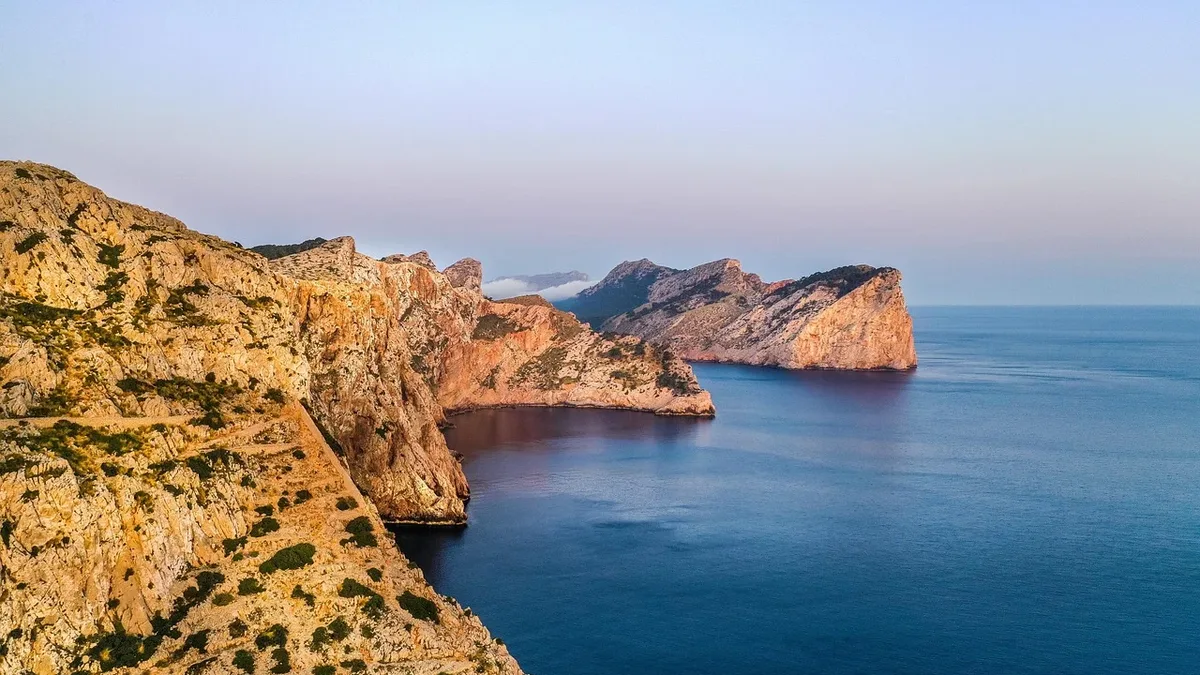
Europe’s coastal ecosystems, from North Sea tidal flats to Mediterranean seagrass meadows, are vital nurseries for fish, staging posts for migratory birds, carbon stores, and natural storm buffers. Climate change, industrial fishing, coastal development, pollution, and river engineering have severely reduced their abundance and diversity. Restoring these seascapes offers a powerful way to turn the tide for both wildlife and communities.
Towards wilder seascapes
Rewilding Europe is strengthening its Wilder Seascapes focus, which integrates coastal and marine rewilding. Coastal rewilding targets the land-sea interface, estuaries, deltas, saltmarshes, dunes, intertidal habitats, and rivers, while marine rewilding extends recovery offshore to seabed habitats and food webs. The approach recognises that the health of rivers, coastlines, and nearshore waters depends on their connections, and aims to restore natural processes across the wider seascape.
Restoring vital connections
Rivers transport sediments, nutrients, and life from uplands to estuaries, while dunes and salt marshes buffer inland areas from storm surges. Migratory fish such as salmon, sea trout, sturgeon, and eels move between freshwater and ocean. Blocking rivers, draining wetlands, or channelising estuaries disrupts sediment flows, degrades habitats, prevents fish from reaching spawning grounds, and disrupts food webs. Restoring these connections can deliver benefits far beyond the shoreline. For example, the Rewilding Oder Delta team and local partners removed barriers in the Ina River catchment on the German-Polish border, reopening waterways for migrating fish. In Sweden, the Rewilding Sweden team removed legacy dams in the Vindel River catchment, restoring natural water flow and enabling aquatic wildlife movement again.
Letting nature lead its own recovery
The core principle of Wilder Seascapes is to give nature more space and freedom to drive its own recovery. In estuaries and deltas where dykes have interrupted tidal exchange, removing barriers or managing them differently can allow tidal waters to return, enabling wetlands to become wetter, sediments to settle naturally, and saltmarshes and mudflats to reform. At Wallasea Island on England’s east coast, breaching old sea walls has created extensive new mudflats and saltmarsh, strengthening flood protection and offering people more opportunities to experience nature. On Croatia’s Adriatic coast, the Rewilding Velebit team are exploring recovery of a mosaic of marine, coastal, and terrestrial ecosystems, including rare angel sharks and extensive underwater meadows of Posidonia oceanica.
Bringing back habitats and wildlife
Healthy seascapes depend on plants and animals that create habitats and sustain food webs. Seagrass meadows stabilise sediments, improve water quality, and provide nursery grounds for fish. Oyster reefs filter water and create complex habitats supporting diverse marine life. On Scotland’s west coast, Seawilding is restoring seagrass meadows in Loch Craignish, while the Rewilding Oder Delta team has begun planting pilot seagrass meadows on Germany’s Baltic coast. Efforts are also underway to restore the European flat oyster, a keystone species whose reefs once covered large seabed areas.
Press release: Von der Leyen’s Commission threatens to dismantle EU nature laws despite opposition from Member States and 1.25 million citizens
The European Commission has put the review of the EU Birds and Habitats Directives, and with them the Natura 2000 network of protected areas, back on the table in its 2027 Work Programme, despite its own ‘stress test’ preliminary results indicating these laws need proper implementation, not revision. The #HandsOffNature coalition, composed of BirdLife Europe, the European Environmental Bureau, ClientEarth, and WWF EU, strongly condemns the announcement.
The work programme hints at reopening the Directives, which would reverse decades of environmental progress and ignore the evidence the Commission is gathering under the ongoing ‘stress test’. The announcement is a slap in the face to the 1.25 million citizens who signed the #HandsOffNature petition, and a waste of time and public money that should instead focus on implementing and enforcing these vital protections.
Hot on the heels of the Commission’s “resilience package”, weakening nature protections would directly contradict its goal of boosting the EU’s ability to adapt to climate change, and thus be incoherent and unacceptable. Nature is Europe’s strongest defence against climate disasters, and weaker protections would mean greater risks from pollution, heatwaves, flooding, and extreme weather, the coalition warns.
“President von der Leyen appears to have caved in to political pressure from her national party and powerful lobbies.” a spokesperson of the coalition said. Despite clear warnings from EU Member States, scientists, businesses and 1.25 million citizens, she’s opening the door to a full-scale assault on Europe’s nature laws. Tearing down protections amidst the climate and biodiversity crises is reckless, costly, and deeply irresponsible.*
The announcement comes while the Commission’s own evidence-gathering process, the Birds and Habitats Directives ‘stress test’, is still ongoing, and its preliminary findings point to the need for better implementation, funding, and enforcement of the Directives, not legislative revision. A clear majority of stakeholders, including scientists and industry representatives, reached the same conclusion at the October implementation dialogue.
The coalition is calling on the Commission to conclude this exercise, and to focus on fully implementing and financing the Directives on the ground, rather than reopening them. Businesses, including from the renewable energy sector, have warned that reopening the Directives will create legal uncertainty, increase litigation risks, and delay the investment Europe needs. The announcement also immediately sparked criticism from several Member States, including France, Germany, Hungary, Luxembourg and Spain.
The Commission’s Work Programme also mentions that the upcoming water initiative could involve a legislative proposal. The coalition stresses that any such proposal must build on the existing EU water protection laws, including the Water Framework Directive, which must remain unchanged. It should prioritise water retention in nature, such as the protection, sustainable management and restoration of wetlands, floodplains, forests and ponds.