Broad-headed snake reintroduction marks Australian first
Four of six captive-bred juvenile broad-headed snakes have survived their first months in the wild.
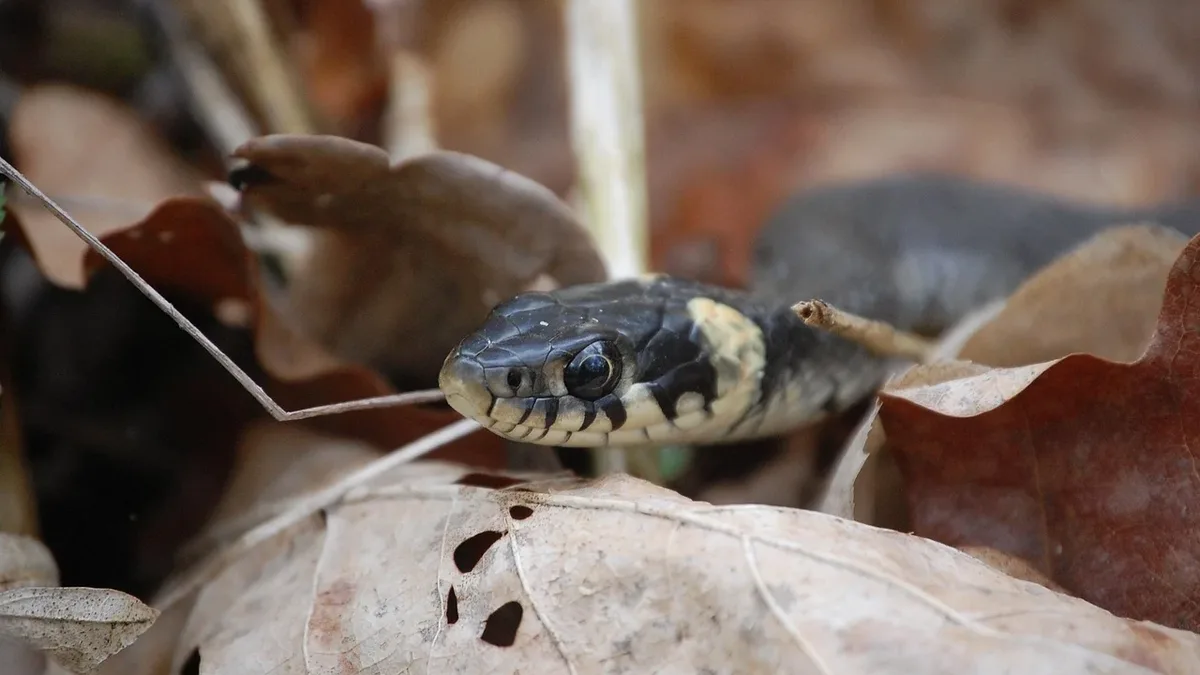
At least four of six captive-bred juvenile broad-headed snakes survived the critical first months after their mid-May 2026 release into restored rocky habitat in the Shoalhaven region of New South Wales. This marks the first successful wild reintroduction of this endangered Australian species, offering a key step in reversing its 64% population decline since 2023.
The reintroduction programme began in October 2024 when conservation organisation Aussie Ark secured 17 adult snakes from the wild to start a captive breeding initiative. Three additional adults joined later, bringing the founding group to 20. By May 2026, eight juveniles had been bred in captivity. Six of these were selected for release, with two retained to safeguard genetic diversity. Researchers from the University of Technology Sydney and Aussie Ark conducted field surveys every two weeks to monitor the snakes, with a survival update confirmed on November 6, 2026.
Conservation partnership and Indigenous involvement
The reintroduction program is led by Aussie Ark in partnership with the University of Technology Sydney and the traditional owners of the Shoalhaven region. Indigenous rangers, including Ashley Thomas and Dylan Wallis, have been trained to monitor and protect the species on Country. Traditional Owner Frank Connolly Jr. has stated that the program helps connect younger generations with culture and Country. This partnership supports long-term conservation skills development among the rangers who are now central to the ongoing monitoring of the four surviving juveniles.
Threats and habitat restoration
The broad-headed snake, found only in the rocky escarpments of the Sydney sandstone basin, has a slow life cycle. Females reproduce only every two or three years, and young snakes take around five years to reach adulthood. The monitored population declined by approximately 64% by 2023, a collapse recorded after the 2017-19 drought and the 2019-20 Australian bushfires. Breeding activity was notably low in the three years following the fires.
A primary ongoing threat is bush rock removal for landscaping, which eliminates critical shelter and food sources for juvenile snakes. Feature boulders can sell for $450 each, creating a strong incentive for this habitat destruction. While the NSW government recognized bush rock removal as a key threatening process in 1999, enforcement remains needed to protect the remaining sandstone habitats essential for shelter, temperature regulation, and hunting.
Artificial structures boost juvenile survival
Artificial sandstone structures, developed by Dr. Benjamin Croak, were placed in the habitat before the snakes were introduced. These artificial rocks, with crevice sizes and thermal properties mimicking natural rocks, were critical to juvenile survival. The structures contain crevices for shelter and temperature regulation and help recreate conditions for hunting smaller rock-dwelling reptiles. The high initial survival rate of the released snakes is directly linked to these purpose-built shelters.
The program aims to restore habitat and release more captive-bred snakes at selected sites in the coming years. Ongoing monitoring of the four surviving juveniles by Indigenous rangers and researchers continues, with plans to build on this foundational success.