Scientists decode beluga whale communication
Researchers use advanced tech to decode beluga whale vocalizations, aiming to better protect them from human-made threats like ship noise.
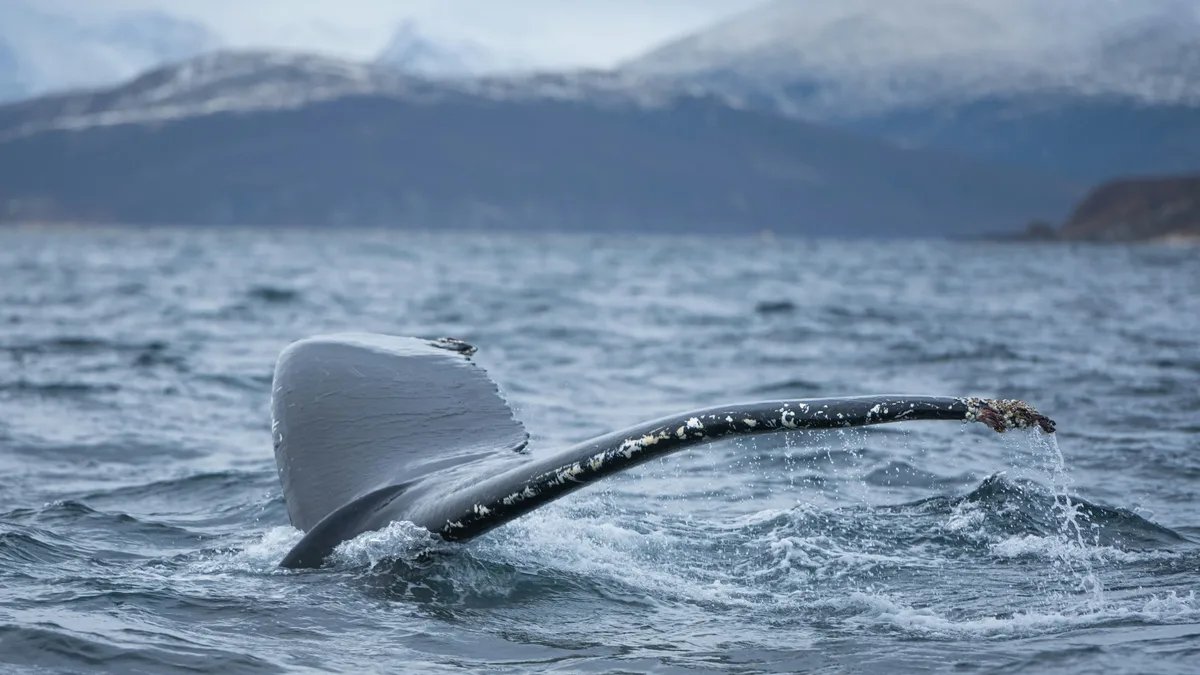
Scientists are making significant progress in decoding the complex communication of beluga whales. This research, driven by improved technology, aims to use the understanding of whale vocalizations to enhance conservation efforts.
Emma Bryce, a journalist who has spent months investigating human efforts to understand whale song, explains the significance of this work. The fascination with whale sounds dates back to the first known recording of whale song in 1949. Researchers have long been captivated by the variety of sounds, including wails, rumbles, clicks, grunts, and squeals.
The Science of Whale Sounds
As technology improves, scientists are now able to decode the intricate patterns that make different species' vocalizations distinctive. The focus is not just on listening but on understanding the structure and potential meaning behind the sounds. This involves analyzing recordings to identify patterns and contexts for different calls.
Bryce highlights how this knowledge could be directly applied to conservation. Understanding whale communication could help mitigate human-made harms. One primary threat is noise pollution from shipping, which can interfere with their ability to communicate and navigate.
Conservation Through Communication
The core goal of this research is protection. By deciphering how whales use sound, researchers hope to develop better strategies to safeguard them. For instance, knowing when and where whales are communicating most critically could inform regulations on ship traffic or industrial noise in sensitive areas.
This work involves collaboration between journalists, scientists, and conservation foundations. The research is conducted under specific permits, ensuring it is done responsibly. The potential benefits extend beyond whale conservation. Studying such a sophisticated form of animal communication may also offer insights into the nature of language and intelligence.
The Research Effort
Organizations like the Raincoast Conservation Foundation and Project CETI are actively involved in this field. They obtain footage and audio recordings for research under strict scientific permits. The effort is meticulous and long-term, building upon decades of curiosity since those first recordings.
The path from recording to understanding is complex. It requires patience and advanced analytical tools. Yet, each decoded pattern brings scientists closer to a world where human activity is adjusted to accommodate the acoustic needs of whales. The research continues, click by click, grunt by grunt.