Conservationists Train with Drones to Protect African
A pioneering technology training program in South Africa is equipping African conservation professionals with drone and sensor skills to combat poaching
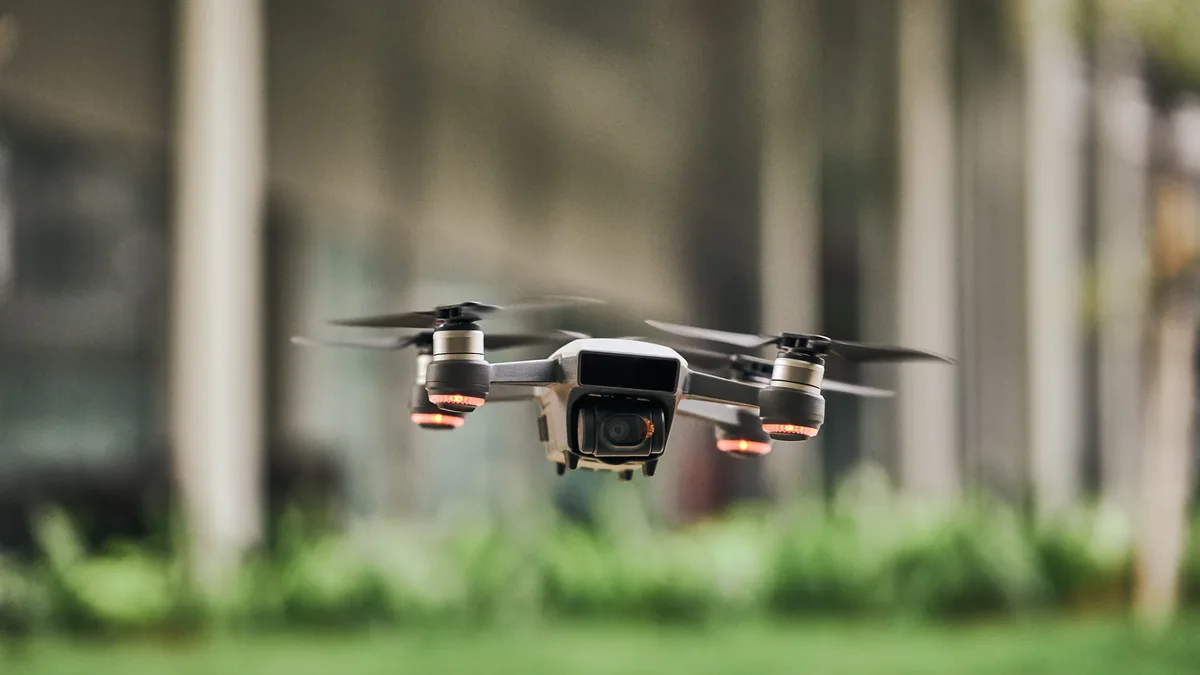
On a cold night in South Africa's Lapalala Wilderness reserve, conservationist Duncan Kanyakera watched a thermal drone vanish into the dark sky. Its mission was to locate a lone cheetah, demonstrating a critical new tool for protecting wildlife across Africa.
Kanyakera was one of 20 conservation professionals from 11 African countries attending a unique practical training course. They had earned their places by excelling in an online program run by the Connected Conservation Foundation (CCF). The foundation's Sophie Maxwell stated, "Data and technology are critical to modern conservation."
Filling a Critical Skills Gap
The CCF has installed high-tech systems in parks across Africa since 2015, helping protect nearly 10 million hectares. However, a major obstacle remained. Carien Soldatos, who oversees the training program, explained that technology's success depends entirely on having trained technicians on the ground to use, repair, and maintain it. Such skilled people are lacking in many parts of the continent.
After failing to find an existing course, the CCF created its own. Their 10-module program launched in July 2025 as a global first. In its inaugural year, 680 people worldwide completed at least one module. The top 16 performers were invited to the hands-on component at Lapalala.
Drones in Action
The night's demonstration provided a swift, powerful example. In under ten minutes, the drone's heat sensor located the cheetah resting with her cubs. The operator then sent a precise location pin to field rangers, who rushed to the scene. "I was stunned," said Kanyakera. "There was no moon and the cheetah was miles away from us. But we could see exactly what was happening."
For Kanyakera, who supports 35 conservancies in Kenya's Tsavo region, the potential was immediate. Human-wildlife conflict is a major challenge there, particularly when elephants raid crops. Currently, responding to such reports can take hours of guesswork before rangers can be deployed. "With a drone, we could find the elephant in minutes," he said. The drone's noise alone could scare animals away, and rangers could be directed with pinpoint accuracy.
Building a Technology Stack
The course covered far more than drones. Over several days, participants built a complete technology "stack" from the ground up. Each day, they added a new element-like connectivity, power systems, or monitoring sensors-before breaking it down and rebuilding it the next morning to reinforce their skills. Sophie Maxwell described the method as being "all about building muscle memory."This hands-on approach changed perspectives."We have a lot of remote stations," he noted. "But the sun shines everywhere."## Changing Mindsets for the Future
The training aims to create a ripple effect beyond the individual participants."My students didn't comprehend that tech was important," she said. "They couldn't get the link between saving animals and computers. But now I am going to change their minds."
The CCF plans to run a second practical course in the first quarter of 2027. Also, the foundation will support five participants from the first cohort with internships or hardware donations. Duncan Kanyakera, Effort Zivengwa, and Mabel Piki are all contenders for this support. Kanyakera already plans to reconfigure camera traps with AI and upgrade his operations room in Tsavo, convinced the learnings will make a significant difference for both people and animals.