New Snail Species Found in Montenegro Face Hydropower Threat
Two new snail species discovered in Montenegro's Komarnica Canyon are threatened by a proposed hydropower dam, scientists warn, highlighting the region's
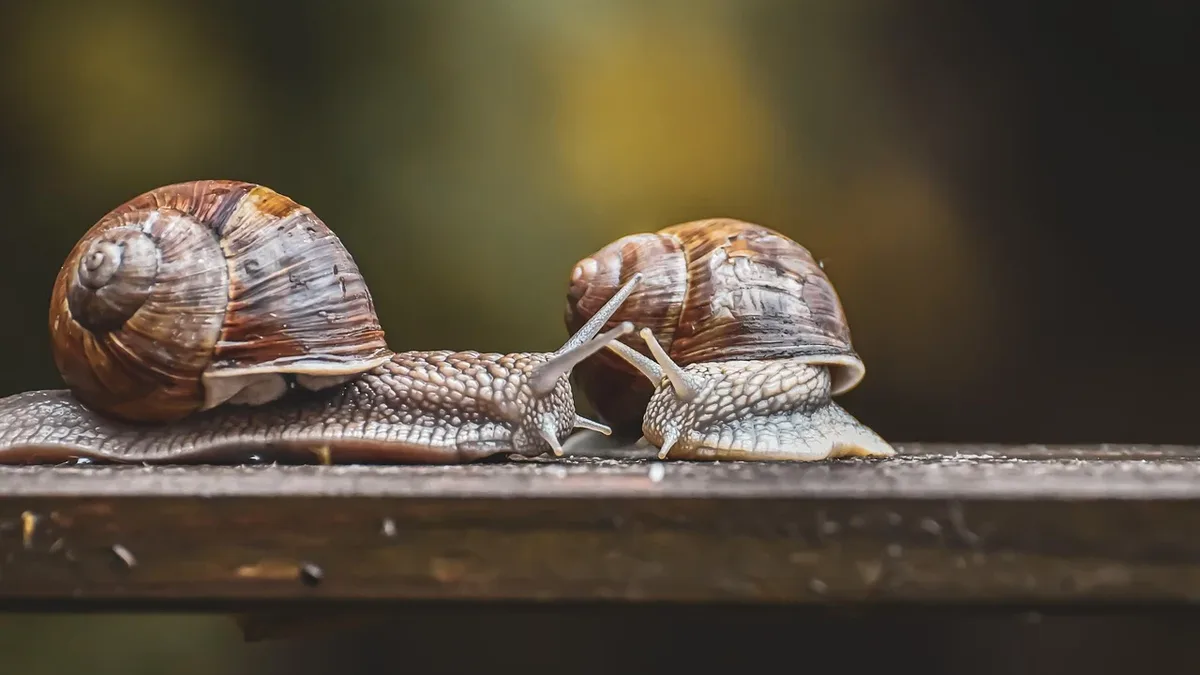
Two previously unknown snail species have been formally described from Montenegro's Komarnica Canyon and Dobri Do highland. The discovery, detailed in a 2026 study in the Biodiversity Data Journal, highlights a unique biodiversity hotspot now under threat from a planned hydropower reservoir.
Two new snail species, Cochlostoma komarnica and Cochlostoma dobrido, were discovered in Montenegro. A team of scientists and citizen volunteers from Taxon Expeditions made the find during expeditions between 2018 and 2025. The work was done in partnership with the Taxon Foundation and the Montenegrin Ecologists Society. The study was authored by 24 scientists, including Janine Buisman and Jovana Đokić.
The snails have conical shells around 6mm long and live on limestone rocks, grazing on algae and lichens. Their eyes are positioned along the sides of the head, not at the tips of eye stalks. They also possess a circular disk on their tail that seals the shell opening like a door.
Cochlostoma komarnica is endemic to Durmitor National Park, Komarnica Canyon, and possibly a narrow area between them. Cochlostoma dobrido has been recorded from three localities in the Dobri Do highland plain and may be more widespread. The names were chosen by a vote at camp: Cochlostoma dobrido is named after the Dobri Do Plateau, and Cochlostoma komarnica after Komarnica Canyon.
Threat from hydropower development
A proposed hydropower dam in Komarnica Canyon threatens the newly discovered snail species and the canyon's biodiversity. Biologist Jovana Đokić of the Montenegrin Ecologists Society, who co-authored the study, warned that the canyon is targeted for flooding. Plans exist to build the Komarnica Hydropower Plant in the area, as recommended in a report by the Montenegro Ministry of Ecology, Sustainable Development and Development of the North.
The project is currently postponed due to opposition from scientists, legal experts, and NGOs over flooding concerns. The Montenegrin Ecologists Society is calling for the Komarnica Canyon to be included in the UNESCO World Heritage site of Durmitor and for the hydropower project to be abandoned. Jovana Đokić said: "Hydropower is neither green nor sustainable energy when it destroys a unique ecosystem like this."
The discovery of the snails is part of a larger effort to build a science-based case for conserving Komarnica Canyon's ecosystem. The remote river canyon in northern Montenegro is already protected as a Nature Park and Natural Monument. The society's call to abandon the hydropower project and seek UNESCO World Heritage status for the canyon stands as the final plea from the scientists who documented its hidden life.