Orange killifish discovered in Brazil faces
A new, vividly colored killifish species found in Amazonian streams is already recommended for an Endangered listing due to its tiny, threatened habitat.
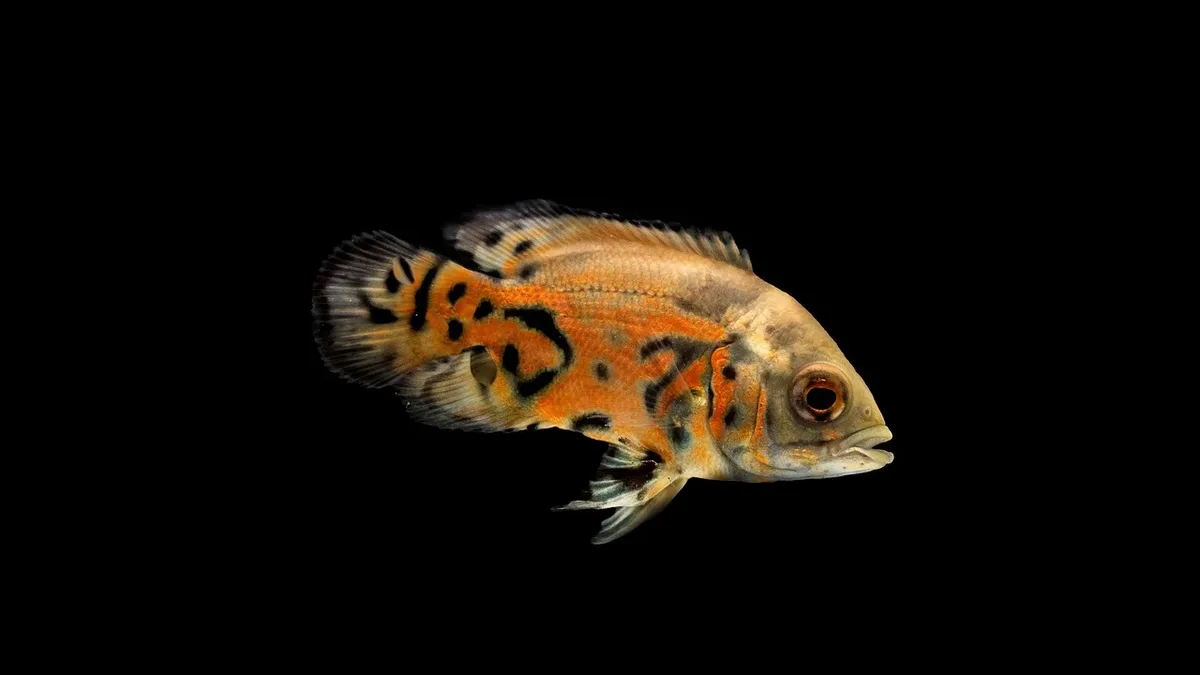
A new species of brilliantly colored fish has been discovered in the Brazilian Amazon. The researchers who found it have already recommended it be listed as Endangered due to pressures on its only known home.
Scientists from the Universidade Federal do Rio Grande do Norte, the Instituto Peixe das Nuvens, the Universidade Federal do Pará and the University of West Florida identified the fish. They named it Laimosemion laranja. The species is a killifish measuring less than 3 centimeters in standard length. Males display a striking pattern of orange spots and chevron-shaped bars against pale gray flanks.
The discovery was made during fieldwork in the Rio Cajari drainage in the southern state of Amapá. The study detailing the find is published in the journal Zoosystematics and Evolution.
An unexpected discovery
Lead researcher Yuri Abrantes said the team was investigating life-history strategies in freshwater fishes of the family Rivulidae. The project spans different Brazilian biomes. During our sampling in small rivers locally known as 'igarapés' in the Rio Cajari region, in Amapá state, we found this fish with a very striking coloration, which immediately caught our attention, Abrantes explained.
Confirming it was a new species required detailed comparison. The team analyzed body proportions, scale counts, skeletal features, and mitochondrial DNA against the fish's closest relatives. Abrantes recalled the initial encounter as an unexpected moment of admiration and curiosity sparked by the unique coloration.
The species name laranja is Portuguese for both the color orange and the fruit. It also honors Laranjal do Jari, the Amapá municipality where the fish was found. Abrantes said the team wanted a name that highlighted a characteristic of the fish while fostering a connection with the local people.
A precarious habitat
The fish is currently known from just three small forest pools near Laranjal do Jari. All sites show signs of environmental disturbance. One location is close to water discolored by mining sediment. Another, within the city itself, is affected by plastic pollution. The entire known range of Laimosemion laranja is estimated to cover only 25 square kilometers.
Laimosemion laranja belongs to a group of Amazonian killifish. Some members of this group have evolved an unusual annual life cycle. Their embryos can enter a state of dormancy, pausing development in damp mud until seasonal pools refill with rain. "Laimosemion represents one of the five independent origins of the annual life cycle within the family Rivulidae," said Abrantes. He noted the new species expands knowledge of the group's diversity and evolution in the region.
A call for conservation
Given its extremely limited and threatened range, the researchers argue the fish meets the criteria for an Endangered listing under International Union for Conservation of Nature (IUCN) guidelines. They have formally recommended this classification. The team also proposes extending the boundaries of the neighboring Rio Cajari Extractive Reserve to help protect the fish's habitat.
The discovery shows how much remains unknown about Amazonian biodiversity. It also highlights the immediate threats facing unexplored areas. The vivid orange killifish has become a symbol for the conservation of these vulnerable ecosystems.