Sandilands former golf course opens as coastal nature
The National Trust has opened a 2km-long nature reserve at Sandilands on the Lincolnshire coast, transforming a former members-only golf course into
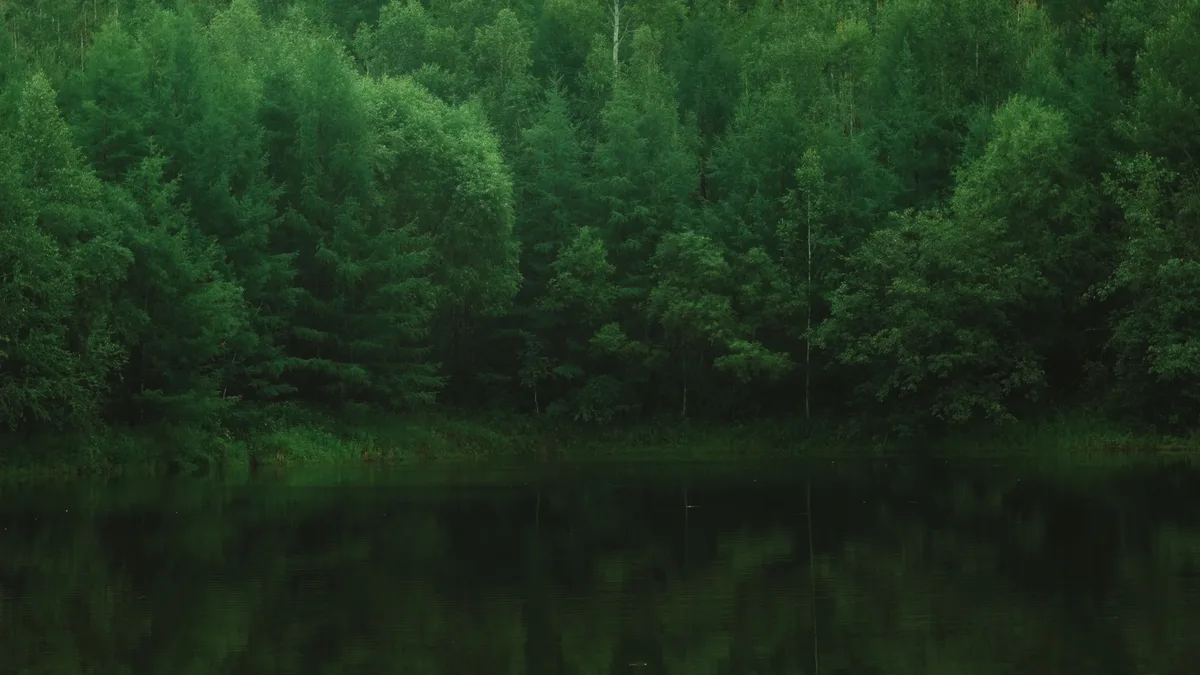
The National Trust has opened a new 2km-long nature reserve at Sandilands on the Lincolnshire coast, transforming a former golf course into wetlands, grassland and scrub habitat. The site, on the edge of the deprived seaside town of Mablethorpe, opened to the public on Saturday, shifting from being accessible only to a few hundred golf club members to a space for wildlife and the community.
Ecological recovery
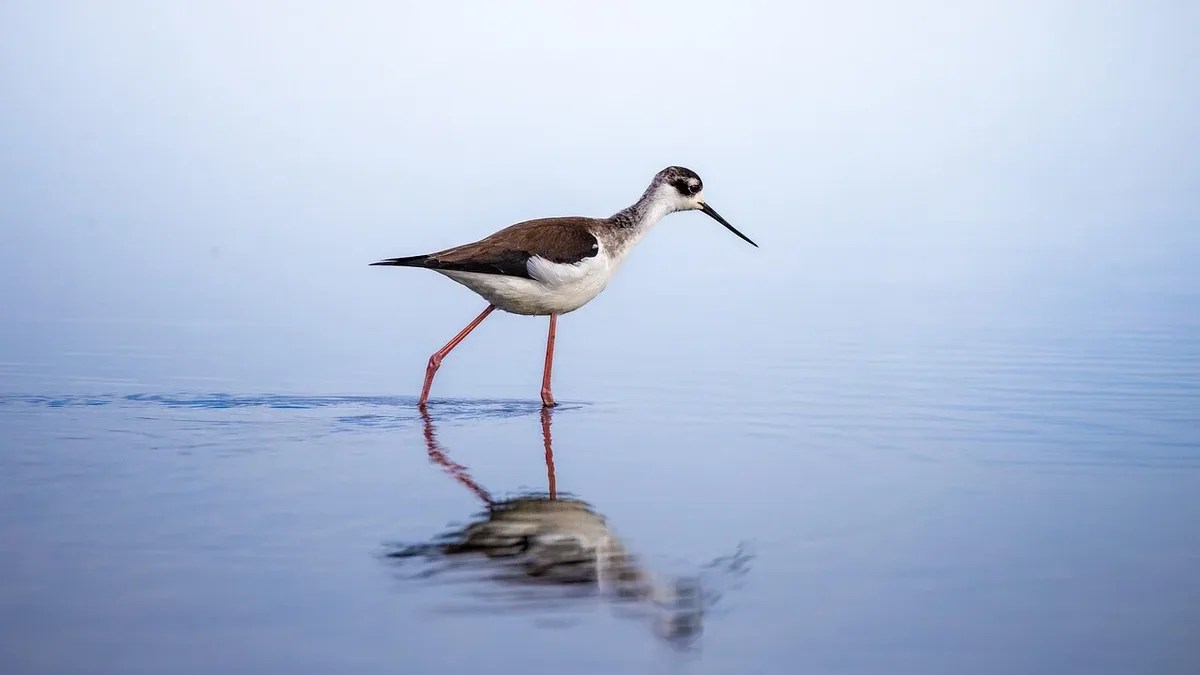
Habitat restoration has already attracted nesting little ringed plovers and avocets, with marsh harriers hunting over the site and migratory birds using the reserve as part of the East Atlantic flyway. This summer, after fairways and bunkers were turned into shallow pools and islands, those rare birds nested. Water rail, sandwich terns and spotted redshank have been seen flying in. Birders reported seeing black-tailed godwits on the site. The reserve sits within the internationally important East Atlantic flyway, a route used by thousands of birds travelling annually along Britain’s east coast between Arctic and northern European breeding grounds and warmer wintering areas farther south. During a recent visit, a skein of pink-footed geese flew over. Gannets, red-throated divers and shearwaters were seen passing just out to sea.
Habitat restoration methods
Conservation efforts include spreading green hay to establish native plants, planting thousands of shrubs, creating shallow ponds that encouraged natural reed growth, and planning conservation grazing with Highland ponies. Green hay from a nearby Lincolnshire Wildlife Trust reserve was spread to establish native species including wild carrot, yarrow, yellow rattle and red clover. After shallow ponds were dug, reed and reed-mace sprouted up naturally. The trust has planted 36,000 native shrubs, including sea-buckthorn, blackthorn and gorse. Highland ponies will be introduced for conservation grazing. Annual weeds such as thistle and ragwort are the first to colonise disturbed ground.
Community involvement
Fifty local volunteers have contributed to the reserve’s early management, including hand-pulling ragwort, while a new timber-framed community centre and accessible pathway support public engagement. Volunteers have spent much of the summer hand-pulling the ragwort. Anstee Stratigou is the community, participation and volunteering manager for the National Trust. The coastal reserve includes a timber-framed community centre and cafe and an accessible pathway that weaves through the long site. Sue Cushen, a volunteer, said: "What’s happened over the last few years here is remarkable and it is going to get better." A day tripper named Martin, visiting from Melton Mowbray with his dog Alma, was among the first public visitors.
Challenges and outlook
Initial thistle and ragwort growth has supported a boom in painted lady butterflies, with the trust expecting perennial grasses to dominate and hoping to reintroduce natterjack toads once ponds are ready. Some local people complained about the number of thistles on the reserve. Katie Scott explained that thistles would boom for a year or two before being replaced by perennial grasses and flowers. She said leaving thistles this year led to a massive explosion of painted lady butterflies. Scott also noted, "It’s been super-exciting to see the transformation from a boring old golf course, sorry golfers." The trust hopes to reintroduce the rare natterjack toad once pond habitat is ready.