Los Angeles residents adapt to life with black bears
As human communities expand into bear habitat on the outskirts of Los Angeles, residents are learning to coexist with the animals, with interactions
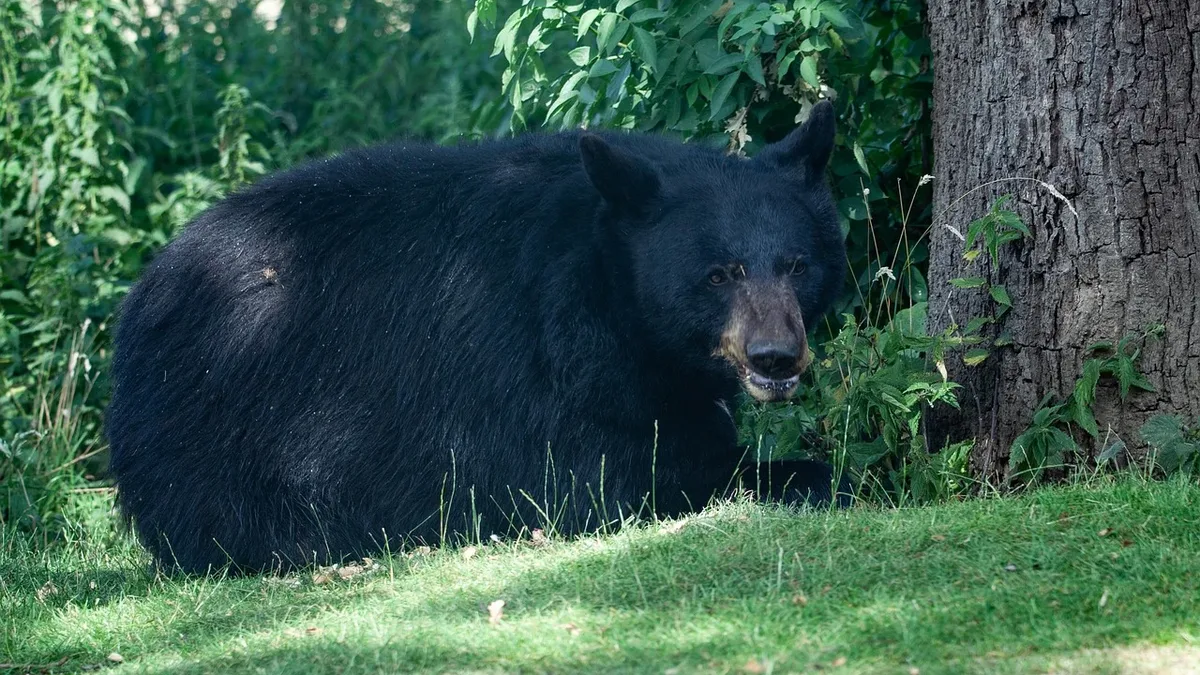
Human-bear interactions have increased in Los Angeles since the 1990s. This trend aligns with community expansion and a state population of 50,000 to 70,000 black bears, with a few hundred living in the Angeles National Forest north of the city.
Black bears are highly adaptable omnivores, according to Wilson Sherman, a UCLA PhD student studying human-wildlife interaction. They can eat everything humans can. The primary driver of conflict is food. Human trash, pet food, fruit trees, and swimming pools offer calorie-dense meals that are easier to obtain than natural sources like acorns and ants.
A foothill neighborhood case study
Brian Gordon and his partner moved to Monrovia, California, four years ago. Their house borders the Angeles National Forest. They now regularly share their pool with a bear family, documenting the encounters on an Instagram account called PoolBearLife. Gordon said his initial fear of bears was unnatural and that the animals mostly just walk through his property. He and his partner advocate for safe coexistence by securing trash and giving the bears space.
Seasonal and climatic pressures
Alex Heeran, a research scientist with the California Department of Fish and Wildlife, said human-bear interactions peak annually in late summer and early fall. September is particularly active as bears enter hyperphagia, their pre-hibernation hungry period. 2026 is on track for a record number of reported encounters. Climate change exacerbates the issue. Warmer summers can alter natural food availability, and major wildfires like those in 2025 have been linked to bears searching neighborhoods for sustenance.
When coexistence fails
Conflict can sometimes escalate, leading to bears being euthanized or relocated. Earlier this year, the city of Monrovia was devastated when a mother bear known as "Blondie" was euthanized after swiping at residents, causing minor injuries. Her two cubs are now in captivity. Mayor Becky Shevlin told reporters the city was not part of the decision and was heartbroken, especially given the cubs.
The role of social media
Sherman notes the proliferation of bear footage on social media, often from doorbell cameras, is a double-edged sword. It can build meaningful empathy for wildlife, which motivates conservation. "Bears are really cute, and a lot of the things they do are really cute," he said. However, there is a risk of Disney-fying them. While not naturally aggressive, black bears can cause damage and require space. As September ends, interactions will wane, but they will resume in spring alongside encounters with other wildlife like mountain lions and coyotes. Sherman observes that new residents of foothill neighborhoods are often surprised by their wild neighbors but generally become accustomed to them.