Birdlife International
| Headquarters | Cambridge, United Kingdom |
|---|---|
| Founded | 1922 |
| Mission | To conserve birds and their habitats |
| Global Partnership | National non-governmental organizations |
| Where it applies | Worldwide |
| Key publication | The IUCN Red List for birds |
| Governing body | Global Council |
Overview
Birdlife International is a global partnership of non-governmental conservation organisations focused on the protection of birds, their habitats, and global biodiversity. The partnership operates through a network of autonomous national or regional organisations, known as Birdlife Partners, which implement conservation strategies within their own countries. Its scientific work is underpinned by the collective data gathered by these partners and a large network of volunteer observers, contributing to global biodiversity assessments. The organisation's Secretariat, headquartered in Cambridge, United Kingdom, coordinates international policy, science, and conservation programmes. Birdlife International sets global conservation priorities by identifying Important Bird and Biodiversity Areas (IBAs) and assessing the extinction risk for all bird species through the IUCN Red List. Its mission explicitly links bird conservation to the broader health of ecosystems and the well-being of human communities that depend on them.
History
Birdlife International originated from the International Council for Bird Preservation (ICBP), which was founded in 1922 in London, United Kingdom. The ICBP was established by conservationists from several countries, including the United States, France, and the United Kingdom, in response to growing concerns about international trade in bird feathers and hunting pressures. For much of the 20th century, the ICBP functioned as a federation of national sections and committees, focusing on international advocacy and the production of scientific reports on threatened species. The organisation underwent a significant structural transformation in the early 1990s, rebranding as Birdlife International in 1993 to reflect a new, more cohesive global partnership model. This shift established the principle of a single, lead conservation organisation representing each country or territory within the partnership. The change aimed to increase accountability, streamline international efforts, and enhance the capacity for coordinated, on-the-ground conservation action worldwide.
How it works today
The partnership operates through over 115 national Partner organisations, each responsible for conservation work, advocacy, and science within their own country or region. These Partners are supported by the global Secretariat, which provides scientific, technical, and strategic guidance, and manages international projects and policy campaigns. A cornerstone of its scientific methodology is the ongoing identification and monitoring of Important Bird and Biodiversity Areas (IBAs), which are key sites for bird conservation used to inform protected area networks. Another critical function is the ongoing assessment of the conservation status of all the world's bird species for the IUCN Red List, a process led by Birdlife International as the official Red List Authority for birds. The organisation influences global environmental policy by providing scientific data to conventions like the Convention on Biological Diversity (CBD) and the Convention on Migratory Species (CMS). Funding is derived from a mix of membership fees from Partners, grants from governments and foundations, and donations from individuals, which supports both the Secretariat's work and collaborative programmes with Partners.
Why it matters
Birds are excellent indicators of environmental health, and their population trends provide an early warning system for broader ecological degradation and the impacts of climate change. The organisation's work to identify and protect IBAs safeguards critical habitats not only for birds but for countless other species, effectively creating a blueprint for global biodiversity conservation. Its authoritative Red List assessments for birds form a crucial component of international biodiversity monitoring, informing conservation priorities and resource allocation for governments and NGOs worldwide. By empowering national Partner organisations, Birdlife International builds local conservation capacity and ensures that global strategies are grounded in regional knowledge and realities. The partnership's focus on ecosystems, from forests to wetlands to oceans, means its conservation outcomes contribute directly to climate change mitigation, water security, and sustainable livelihoods. Its advocacy on issues like the illegal killing of birds, unsustainable agricultural practices, and marine plastic pollution addresses direct threats that have cascading effects on global ecosystems.
Common misconceptions
A common misconception is that Birdlife International is a single, centralised entity that directly manages conservation projects globally, whereas it is fundamentally a partnership where primary action is taken by independent national organisations. Some believe its focus is solely on rare or exotic bird species, but its remit includes common species whose declines signal wider environmental problems and it emphasises the conservation of entire habitats and ecosystems. It is not an elite ornithological club for birdwatchers; while it engages a large citizen science network, its core work involves rigorous scientific research, policy negotiation, and on-the-ground habitat restoration often conducted by professional staff. The organisation is sometimes mistakenly thought to operate primarily in the Global North, but its partnership is strongest in the Global South where biodiversity is highest, and many Partners are based in Africa, Asia, and Latin America. Another error is to view its site-based conservation (IBAs) as isolated protected areas, when the strategy explicitly includes creating networks and corridors and working across entire landscapes and seascapes. Finally, it is not solely funded by large international donors; its financial model relies significantly on the fundraising efforts and diverse income streams of its national Partners.
Latest Birdlife International news
Latest reporting
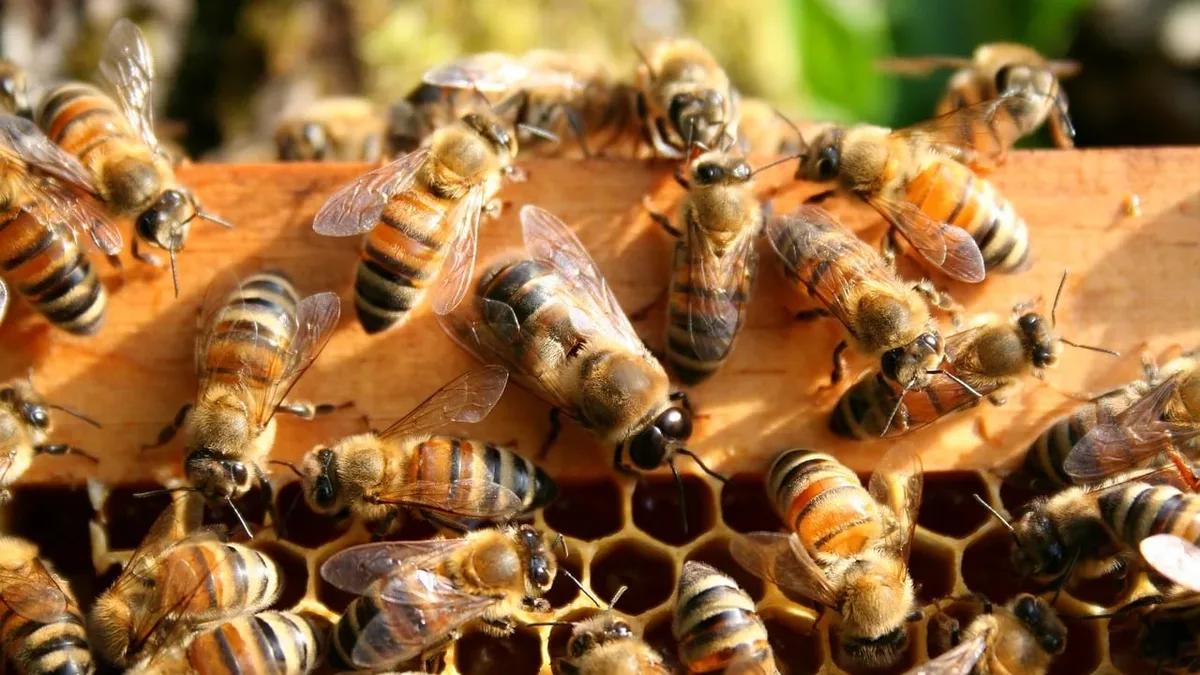
Wild European Honeybees Listed as Endangered for First Time
The International Union for Conservation of Nature has classified wild populations of the Western honeybee as 'endangered' in the European Union, with
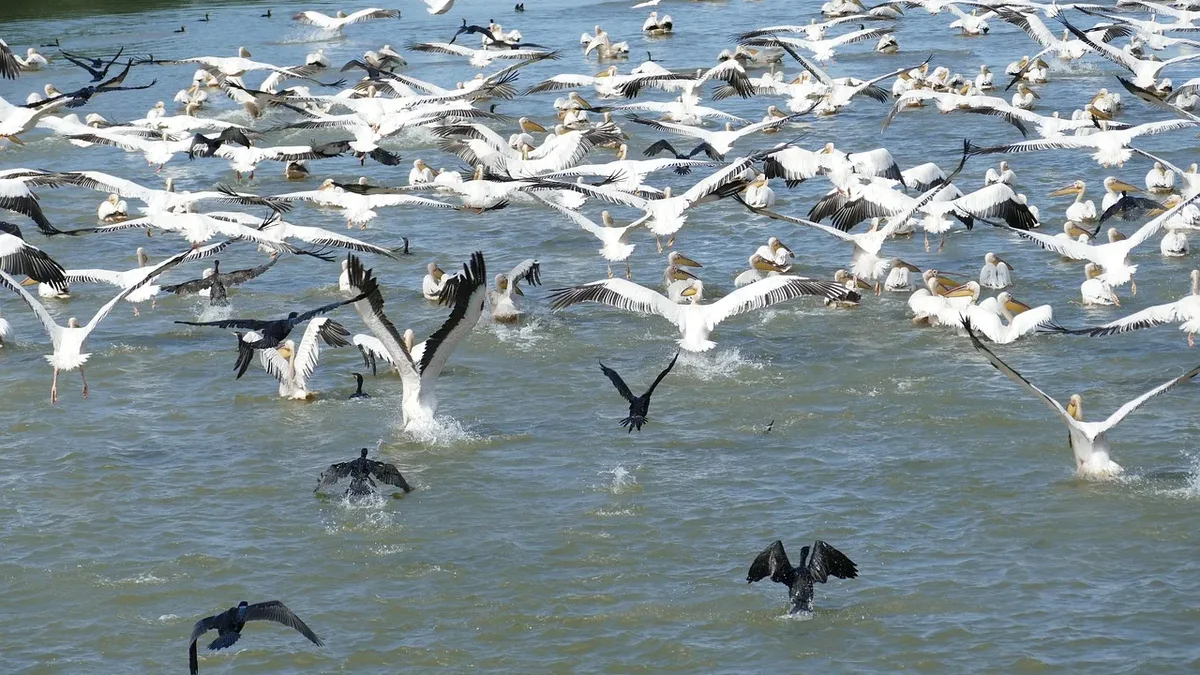
Nearly Half of Migratory Bird Species Are in Decline
A new BirdLife International report reveals 45% of migratory bird species are declining, with one in nine threatened by extinction.

BirdLife warns on EU nature laws, funding
BirdLife International reports that the EU's core nature laws face a new 'stress test' that could weaken them, while key environmental funding is...
Scientists Discover Evidence of Two Origins of Life on Earth
A team of international researchers has found evidence that the first free-living cells may have emerged not once, but twice on Earth, suggesting...

Brittany Ferries Ends Live Animal Transport Following NGO Pressure
Ferry operator Brittany Ferries has confirmed it will stop transporting live farmed animals from Ireland to France by September 2026 at the latest...