Nearly Half of Migratory Bird Species Are in Decline
A new BirdLife International report reveals 45% of migratory bird species are declining, with one in nine threatened by extinction.
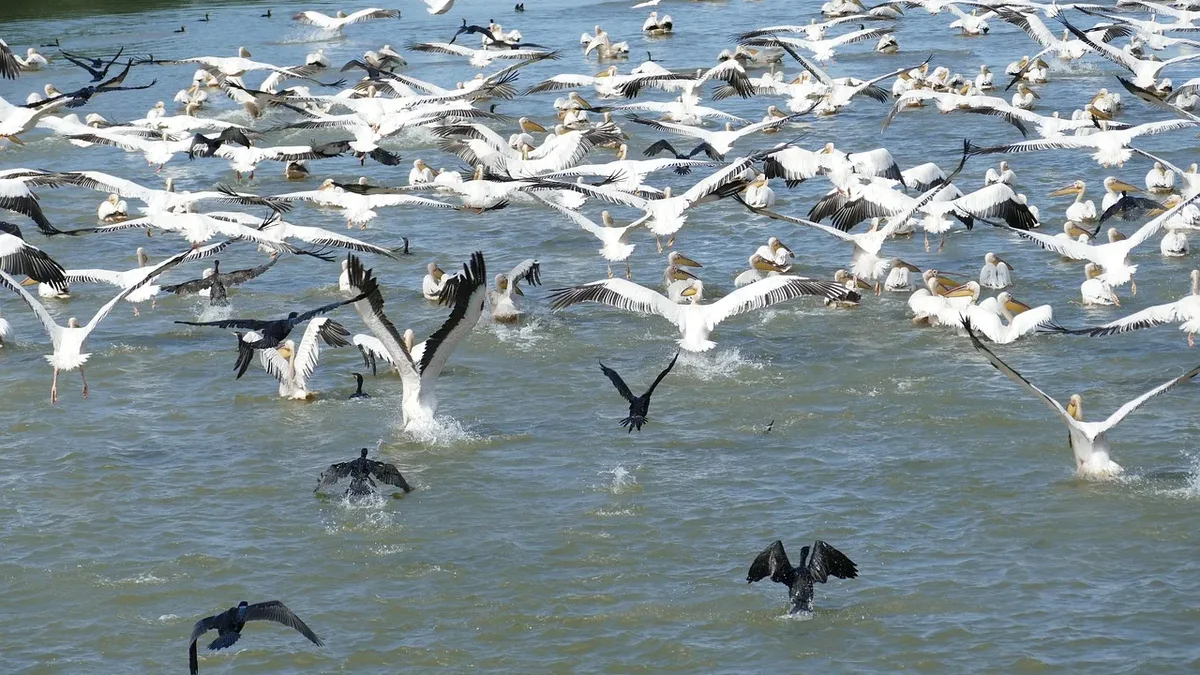
BirdLife International has launched a stark report showing 45% of migratory bird species are in decline. The State of the World's Birds report, unveiled at the Global Flyways Summit in Nairobi, also states one in nine migratory species is threatened with extinction.
The summit, co-hosted by Nature Kenya, saw the signing of the Nairobi Flyways Declaration by governments, NGOs, and financial institutions. This commitment aims to boost cross-border cooperation for protecting migratory birds and their habitats. More than $6 billion in conservation finance has been mobilised by development banks since 2021 to support these efforts.
A Grim Picture with Glimmers of Hope
The report's findings are severe. The 2025 extinction of the Slender-billed Curlew, last recorded in Morocco in February 1995, marks the first global bird extinction in mainland Eurasia and Africa in recent centuries. Six other migratory species are confirmed or suspected lost over the last 150 years. Seabirds and shorebirds are among the most threatened groups, with species dependent on marine habitats, forests, and coastal wetlands faring particularly poorly.
Yet the declines stem from well-understood, human-caused factors. These include invasive alien species, agricultural expansion and intensification, climate change, and unsustainable hunting. The report documents that conservation can work when actions are coordinated across entire migration routes. Multi-country action for the Egyptian Vulture, for instance, has halted the decline of its Balkan breeding population.
BirdLife International's Chief Scientist, Dr Stuart Butchart, said, "Migratory birds are sentinels, and their declines reveal growing pressure on the natural systems that sustain us."
The Critical Need for Flyway-Scale Action
The report emphasises that a flyway is a broad, interconnected network of critical sites spanning continents. When one link is broken, the entire chain is at risk. BirdLife International's Global Flyways Programme, involving 125 Partners in 120 countries, aims to secure and restore entire flyways rather than focusing on isolated sites or national borders.
The Nairobi Flyways Declaration signed at the summit recognises this reality. It commits signatories to coordinated, flyway-scale conservation. Her Imperial Highness Princess Takamado, Honorary President of BirdLife International, stated, "Migratory birds do not recognise borders. They connect Asia to Africa, the Arctic to the tropics. The Nairobi Flyways Declaration acknowledges this reality."
Billions Mobilised for Conservation
Senior representatives from major development banks attended the summit. Three multilateral development banks are integrating flyway conservation into their lending frameworks. The financial commitments announced are substantial.
| Institution | Commitment | Focus Area |
|---|---|---|
| Asian Development Bank | $3 billion over the next decade | Protecting at least 50 priority wetlands across the East Asian-Australasian Flyway |
| Development Bank of Latin America and the Caribbean | $3-5 billion through 2050 | Safeguarding more than 30 landscapes and seascapes in the Americas |
| World Bank and BirdLife International | Several billion dollars | Conservation across flyways in Africa, Europe, and Asia used by over two billion birds |
Momentum is also growing for community-led action. In June 2026, the Global Environment Facility approved the Global Flyways Grant Mechanism. It provides $8.97 million in direct grants and $107 million in co-financing for conservation across nine million hectares of wetlands.
Dr Paul Matiku, Executive Director of summit co-host Nature Kenya, highlighted Africa's role. He noted that birds breeding in Europe, Asia, and the Arctic depend on African wetlands, grasslands, and forests. Martin Harper, Chief Executive of BirdLife International, called the declaration a turning point, stating development banks are rising to the challenge and the BirdLife Partnership is prepared to act.