Nestlé and BirdLife launch European regenerative agriculture biodiversity study
Nestlé and BirdLife Europe & Central Asia have begun a three-and-a-half-year science collaboration to measure how regenerative agriculture affects farmland biodiversity, using birds as key indicators. The initiative launches against a backdrop of a 58% decline in European farmland bird populations since 1980.
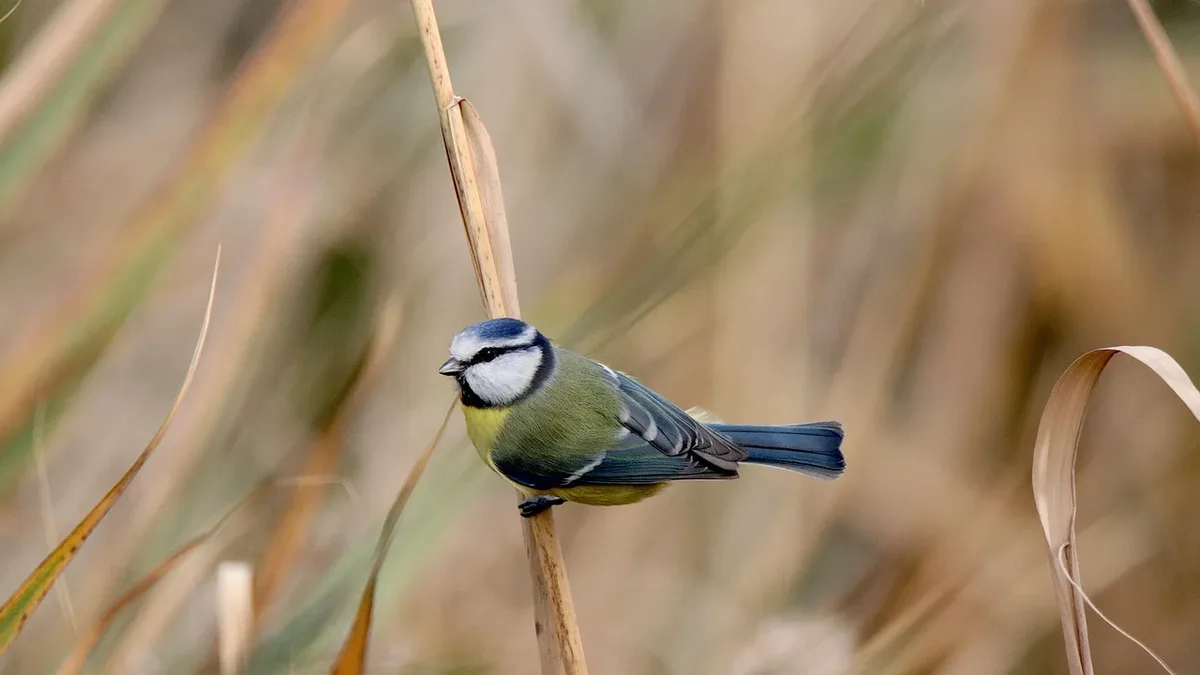
Nestlé and BirdLife Europe & Central Asia have launched a three-and-a-half-year collaboration to measure how regenerative agriculture affects biodiversity in European farmland. The science-based programme will use farmland birds as trusted indicators to assess whether these practices deliver measurable benefits for wildlife dependent on agricultural landscapes.
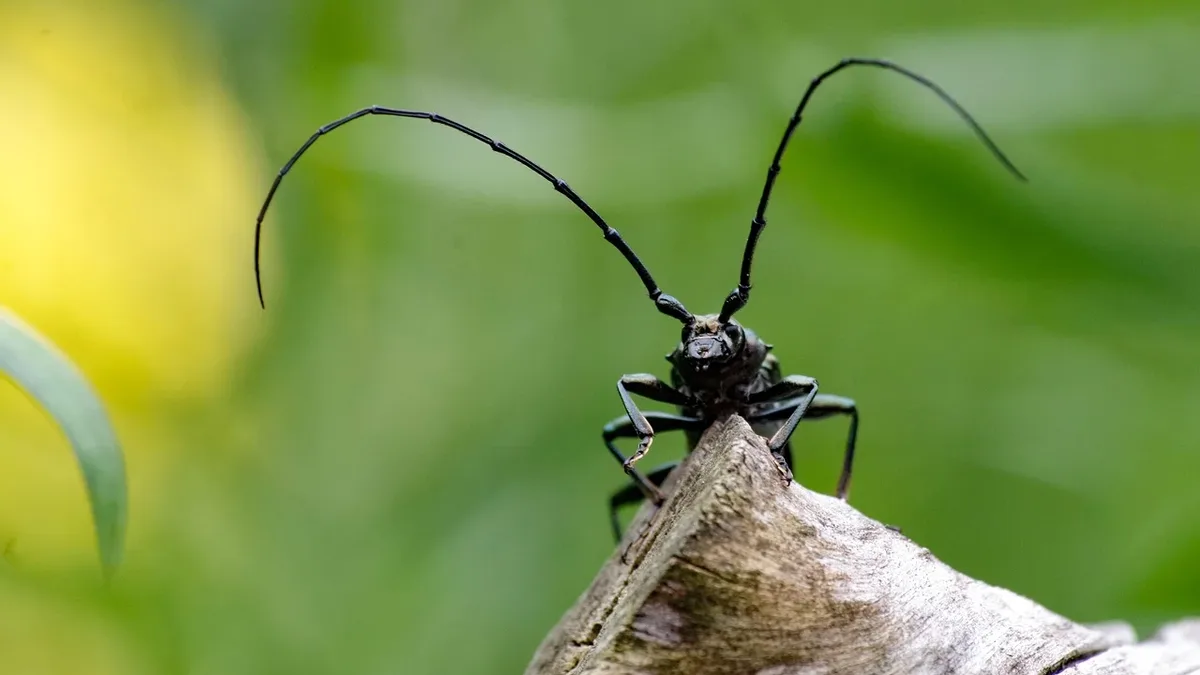
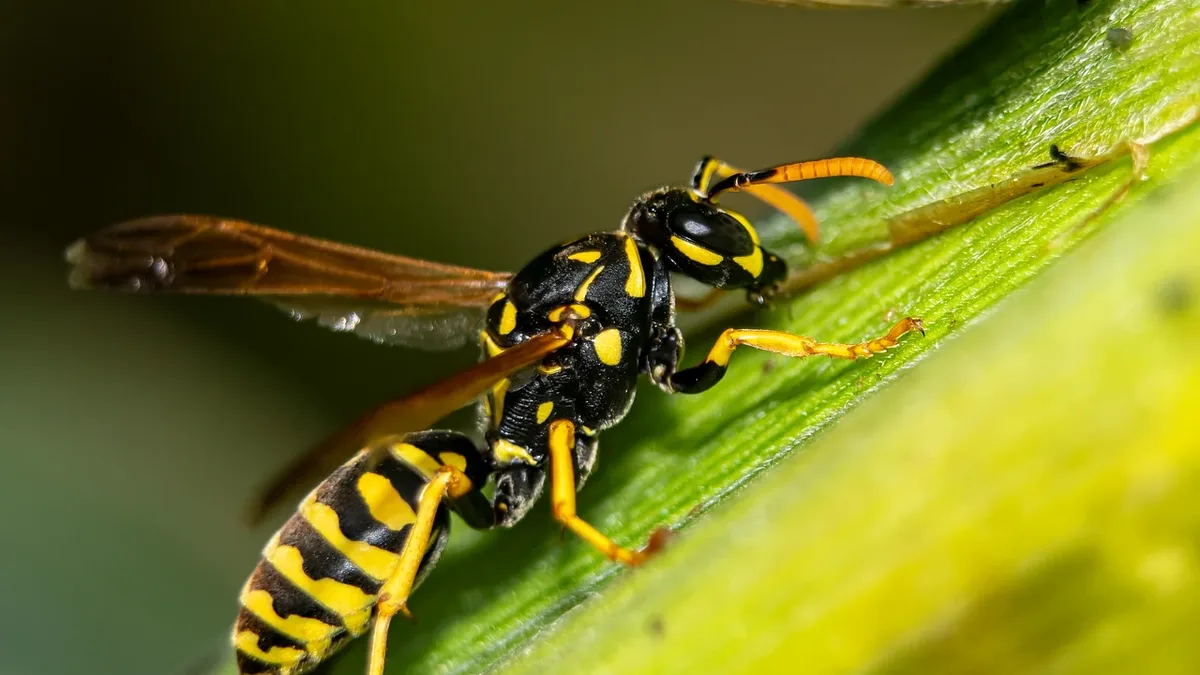
The partnership, announced for 2026, aims to understand how regenerative practices can restore natural resources and support resilient food systems. It builds directly on biodiversity monitoring that Nestlé and SEO/BirdLife have conducted on dairy farms since 2021. The research will compare regenerative agriculture fields with conventional ones on a like-for-like basis using established survey methods. BirdLife’s national partners will monitor birds, butterflies, and wild bees on participating farms.
This project marks a significant shift in food and beverage supply chain management. Previous regenerative agriculture conversations largely centered on soil health, carbon sequestration, and farm resilience. The collaboration may now provide stronger evidence for manufacturers to guide future sustainable sourcing strategies.
Severe decline in European farmland birds
European farmland bird populations have dropped by 58% between 1980 and 2024. This stark figure from the PanEuropean Common Bird Monitoring Scheme shows the severe biodiversity crisis unfolding within agricultural landscapes. It highlights the urgent need for science-based farming solutions that can reverse habitat and species loss.
Science-driven approach to regenerative farming
The initiative aims to back farmers with science, tools, and long-term commitment to farm in ways that support both nature and their businesses. Anita Wälz, Head of Sustainability and Corporate Communications at Nestlé Zone Europe, stated that this is the core goal.
Ariel Brunner, Director of BirdLife Europe and Central Asia, emphasized that current intensive farming is wiping out biodiversity, depleting soils, and increasing farmers’ vulnerability to climate change. Brunner noted that Nestlé needs sound science to know which specific practices to support. The findings could ultimately help all parties understand which regenerative practices deliver the strongest biodiversity outcomes, potentially reshaping sustainable sourcing strategies.
Geographic expansion of the initiative
The project will begin its expanded monitoring in Poland in 2026, working with OTOP, BirdLife Polska. It will then expand to Belgium in 2027 alongside the partners Natuurpunt and Natagora. This geographic rollout builds upon the existing monitoring work started in 2021, systematically increasing the scope of the science-driven assessment across European agricultural landscapes.