Reptiles And Amphibians
| Common name | Varies by species |
|---|---|
| Scientific name | Varies by species |
| Conservation status | Varies by species |
| Native range | Varies by species |
| Habitat | Varies by species |
| Activity period | Varies by species |
| Identifying features | Varies by species |
Origin and history
Reptiles and amphibians are not a single bred species but two distinct classes of cold-blooded vertebrates with ancient evolutionary lineages. Reptiles, including lizards, snakes, turtles, and crocodilians, first appeared in the Carboniferous period, over 300 million years ago. Amphibians, such as frogs, salamanders, and caecilians, are an even older group, with the first tetrapods transitioning from water to land in the Devonian period, over 350 million years ago. These classes originated from ancestral tetrapods in the Paleozoic era, with their evolutionary paths diverging significantly. Modern orders within these classes radiated and diversified throughout the Mesozoic and Cenozoic eras. Their history is documented through the fossil record, not by human creation, and they are native to every continent except Antarctica.
What it was bred for
As naturally occurring wild animal classes, reptiles and amphibians were not "bred for" a purpose in their origin. Selective breeding by humans is a very recent phenomenon applied to a tiny subset of species, primarily for the pet trade or agricultural use. Some reptiles, like certain morphs of corn snakes or leopard geckos, are selectively bred for specific color patterns. A few amphibian and reptile species are farmed for leather, food, or the pet trade. The vast majority of species exist as wild populations shaped solely by natural selection for survival in their specific ecological niches. Their traits, such as camouflage, venom, or reproductive strategies, evolved for purposes like predation avoidance, hunting, and environmental adaptation.
Life cycle
The life cycles of reptiles and amphibians are fundamentally different, defining their separation into distinct classes. Most amphibians undergo a complex life cycle beginning with an aquatic, gill-breathing larval stage, like a tadpole, before metamorphosing into a terrestrial or semi-aquatic adult. Reptiles generally have a direct life cycle, hatching from amniotic eggs laid on land (or retained internally in viviparous species) as miniature versions of the adults. Amphibian eggs lack a shell and are typically laid in water or moist environments, while reptile eggs have a leathery or calcified shell. The lifespan varies enormously, from a few years for small frogs to over a century for some tortoises. Both classes grow throughout their lives, though the rate slows significantly after reaching sexual maturity.
Character and appearance
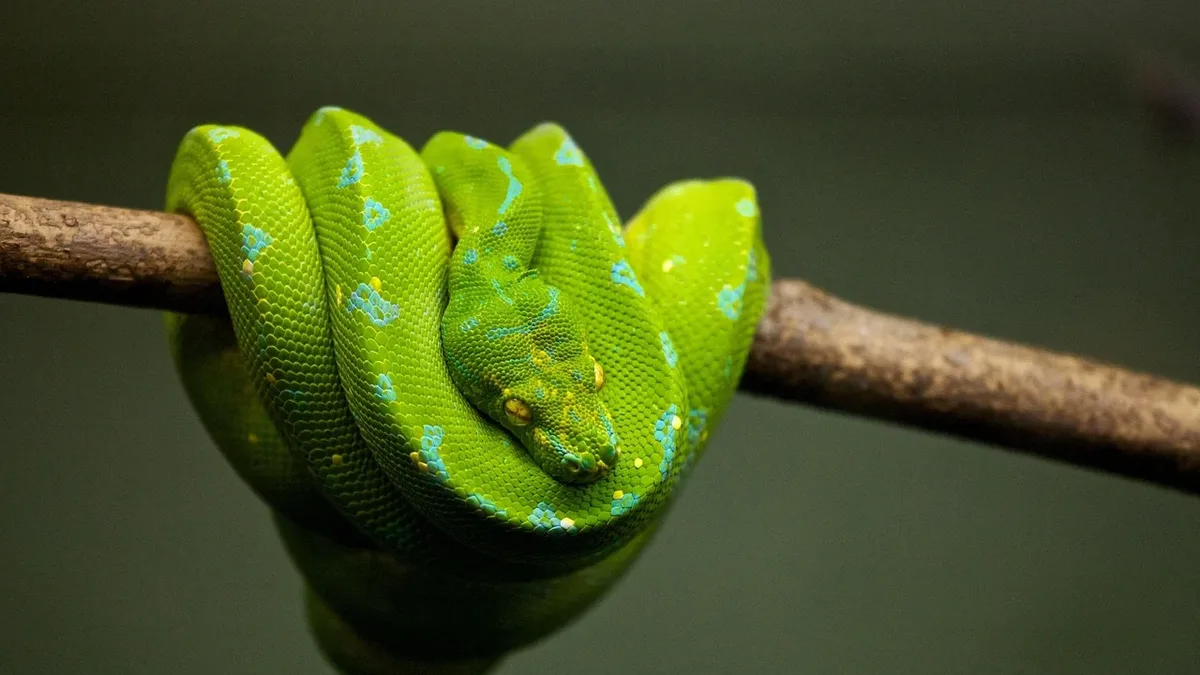
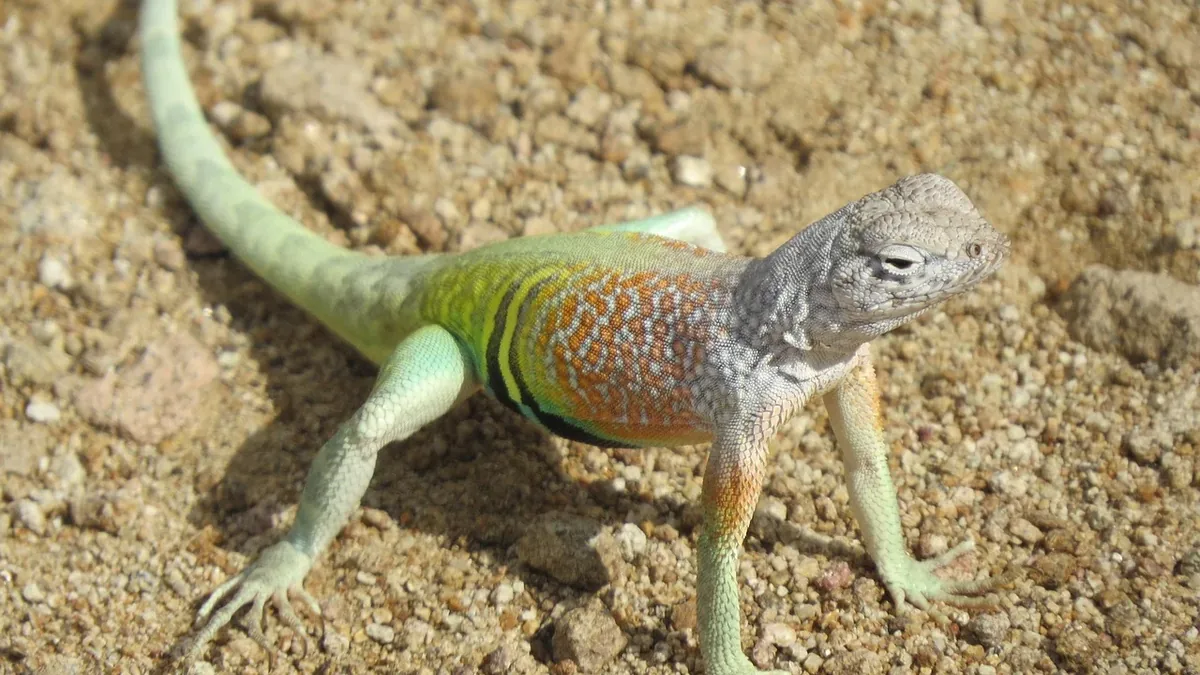
Reptiles are characterized by dry, scaly skin made of keratin, which prevents water loss and provides protection. They typically have clawed toes (where present) and are exclusively air-breathing from birth. Amphibians have smooth, moist, permeable skin that plays a crucial role in respiration and water absorption, and they lack true claws. Reptilian appearance ranges from limbless snakes to four-legged lizards and turtles with bony shells. Amphibian appearance includes the elongated bodies of salamanders, the limbless forms of caecilians, and the specialized jumping morphology of frogs. Coloration serves various functions including camouflage, warning (aposematism), and thermoregulation. Physical characteristics are deeply tied to their physiology, such as ectothermy (relying on external heat sources) in both groups.
Overview
Reptilia and Amphibia are two separate classes within the vertebrate subphylum, encompassing over 20,000 described species. Reptiles are amniotes, meaning their embryos develop within a set of protective membranes, allowing for complete independence from water for reproduction. Amphibians are anamniotes, requiring moist environments for their eggs and often for their larval stages. These groups are globally distributed, occupying habitats from deserts and forests to rivers, lakes, and underground burrows. Their conservation status ranges from Least Concern to Critically Endangered, with many species facing threats from habitat loss, climate change, pollution, and disease. They play vital ecological roles as predators, prey, and indicators of environmental health.
What to know
Observing reptiles and amphibians in the wild requires understanding their ecology and behavior. Most are secretive, using camouflage and nocturnal habits to avoid detection. The best viewing opportunities often come during specific seasons, such as spring amphibian migrations to breeding ponds or basking reptiles on sunny rocks in cooler months. Disturbing animals, especially during breeding or hibernation, can cause significant stress and harm; observation should be passive and from a distance. Many species are protected by law, and collecting or handling them without permits is illegal. Key identification guides and knowledge of local species are essential for accurate observation. Their presence and population health are critical indicators of ecosystem integrity.
Common questions
A common question is how to tell a reptile from an amphibian, with skin texture (scaly vs. moist) and life cycle (direct vs. metamorphosis) being primary differentiators. People often ask if they are dangerous, and while some species possess potent venom or toxins, the vast majority are harmless and avoid human contact. Another frequent inquiry concerns what to do if one is found in a garden, where the general advice is to leave it undisturbed as it provides natural pest control. Questions about keeping wild species as pets are common, but this is generally discouraged due to conservation, legal, and animal welfare concerns. Enquiries about hibernation and estivation periods relate to their seasonal visibility. Concerns about declining frog populations often point to broader environmental issues.
Pros and cons
A significant pro of engaging with these species, such as through responsible pet ownership of captive-bred individuals, is the educational value and fascination with their unique biology. They can also provide natural insect control in local environments. A major con is that improper care in captivity leads to high mortality, suffering, and the release of invasive species, with many owners underestimating the long-term commitment and specialized needs. In the wild, a pro is their pivotal role in food webs, but a con is that many populations are acutely sensitive to environmental degradation, making them early victims of habitat loss. A common mistake is mishandling animals, which can injure them, stress them, or expose the handler to salmonella or toxins. Many people regret acquiring an exotic pet after realizing the substantial cost, space, and decades-long care required.
Who it suits
This subject suits individuals with a patient, observant, and detail-oriented approach to natural history. It is well-suited to those interested in conservation biology, herpetology, or environmental education, and who prioritize evidence-based care for captive animals. It is not suited for those seeking interactive, affectionate pets, as most reptiles and amphibians do not tolerate frequent handling and are observation-only animals. It suits landowners who wish to cultivate wildlife-friendly gardens with ponds and shelter. It is also suited to citizen scientists willing to contribute to population monitoring programs. Ultimately, it suits people who respect these animals as wild creatures with specific needs, not as novelties or decorative living artifacts.