Predatory Wasps Hijack Ant Shelters in Borneo's Human-Altered Landscapes
A predatory wasp is exploiting the hollow stems of Macaranga pearsonii trees in Borneo, a structure evolved for protective ants.
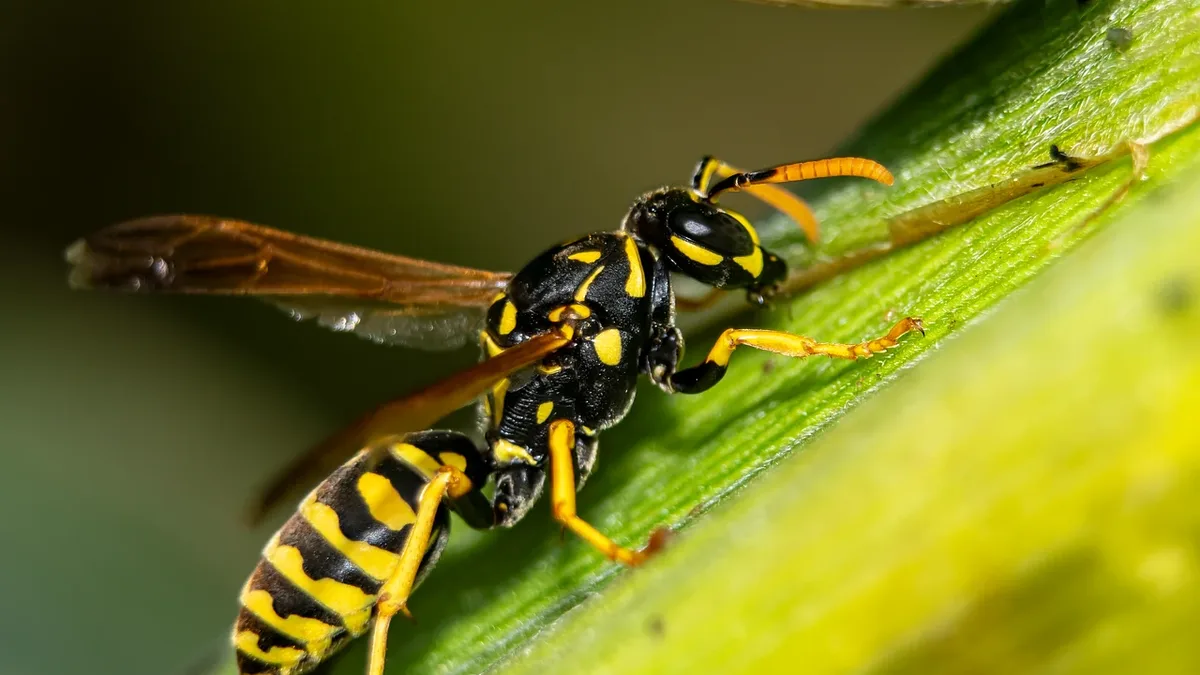
A predatory wasp is increasingly occupying the hollow stems of tropical Macaranga pearsonii trees in Borneo, exploiting a shelter system evolved for protective ant colonies. This disruption of a mutualism at least 10 million years old is significantly more common in human-altered landscapes like oil palm plantations, according to new research. The Macaranga plant-ant partnership is a classic tropical symbiosis. The trees produce specialised stem cavities and nutritious food bodies to house colonies of Crematogaster ants. In return, the ants aggressively defend their host from leaf-eating insects like caterpillars.
Wasp behaviour disrupts ant defence
The wasp Dasyproctus agilis is behind the intrusion. This insect hunts flies, paralyses them, and stores the immobilized prey inside the tree's hollow chambers. The flies serve as food for the wasp's developing larvae. Researchers found a clear correlation between wasp presence and ant colony health. Plants colonised by larger numbers of wasps consistently had smaller protective ant colonies. The wasp's use of the tree's architecture directly coincides with a reduction in its intended symbiotic partners.
Human alteration intensifies the shift
The study linked this ecological shift directly to human activity. Wasp colonisation of Macaranga pearsonii was far more frequent in oil palm plantations than in nearby heavily logged forests. This stronger connection in human-altered environments suggests habitat modification is a key driver. Dr. Kalsum M. Yusah noted the broader context, stating, "Human activities are transforming habitats worldwide, and this kind of shift in species interactions is exactly what we expect to see." The discovery highlights how landscape changes can disrupt ancient partnerships long before species are lost.
Ecological implications remain uncertain
The long-term consequences of this disruption are not yet fully understood. The research did not find clear evidence that wasp occupation had reduced the ants' immediate ability to protect plants from herbivores. The direction of causality-whether wasps cause smaller ant colonies or simply move into trees where ants are already failing-remains unclear. However, scientists warn that the breakdown of mutualistic benefits can drive long-term evolutionary change. For instance, plants may eventually stop investing energy in producing hollow structures if they are consistently exploited by wasps instead of ants. The findings suggest ecological systems can undergo subtle, fundamental changes before any visible species disappear. The tree is still standing, ants are still present in some plants, and wasps are not necessarily destroying the system.