New Guinea snake named after guitarist Slash
A newly discovered nonvenomous snake from New Guinea has been named Lielaphis slashi after Guns N' Roses guitarist Slash, honoring his lifelong passion for
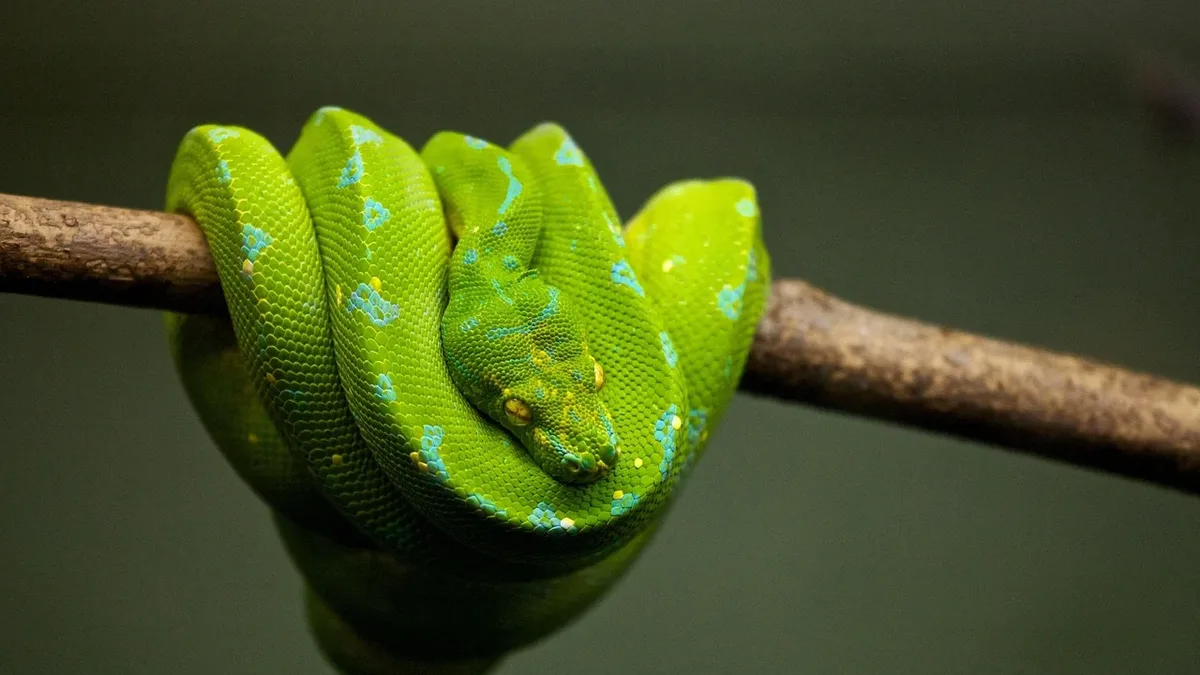
A new species of snake from New Guinea has been named after Guns N' Roses guitarist Slash. The nonvenomous reddish-brown groundsnake, Lielaphis slashi, measures 28 inches long and was formally described in the journal Zootaxa.
Sara Ruane, the Field Museum's Associate Curator of Herpetology and senior author of the paper, proposed the name. She cited Slash's lifelong fascination with reptiles and his support for museums and natural history. "As a long time herpephile, I am extremely honored and humbled," Slash said in a statement provided to the researchers.
A Personal Inspiration
Ruane's decision was influenced by a childhood memory. In fifth grade, she had already decided to become a herpetologist. At age twelve, she received an issue of Reptiles Magazine featuring Slash on the cover holding his pet python. Years later, rereading that interview cemented her choice. She noted he spoke about loving museums, zoos, and looking for snakes as a child.
It was all stuff that I really related to, and it made me think that he'd be a great person to name a new species after, Ruane said.
Discovery in the Forest
The snake was first encountered during nighttime fieldwork in New Guinea in 2006 by Chris Austin, a professor at Louisiana State University Museum of Natural Science. New Guinea, the world's second-largest island, is a hotspot for undocumented biodiversity. Austin noted that finding these nocturnal snakes requires care due to the presence of similar-looking, highly venomous species.
Ruane later collaborated with Austin in 2016 to study New Guinea's poorly documented snake populations. Their work led to the formal analysis of this particular specimen.
Genetic and Physical Distinction
Initial examination did not immediately reveal the snake as a new species. Advanced genetic testing conducted by Tianqi Huang, the study's first author and a post-doctoral researcher at the Field Museum, proved decisive.
"Using multiple cutting-edge genetic analyses, we found that L. Slashi is genetically distinct from other similar snakes in the same genus," Huang said. The team combined this genetic evidence with physical characteristics, including differences in scale counts. Ecological modeling also showed L. Slashi prefers a different habitat than its closest relatives.
Ecology and Threats
Direct observation of the snake's behavior in the wild is difficult. However, its anatomy provides clues. Snakes in the Lielaphis genus often have large rear teeth. Researchers suggest L. Slashi may use these to catch small, slippery-scaled lizards and the eggs of other reptiles.
While the snake is not dangerous to humans, its forest home faces significant threats. Ruane identified industries like coffee farming and mining as pressures on the habitat. She emphasized that formally describing species is a critical step for conservation.
We can't conserve animals or other living things that we don't know about, Ruane stated. The research team included scientists from the Field Museum, Louisiana State University, and the Papua New Guinea National Museum and Art Gallery.