Coastal Dune
| Habitat type | Coastal dune |
|---|---|
| Where found | Sandy coastlines |
| Typical features | Dunes, blowouts, dune slack |
| Substrate | Sand |
| Exposure | Wind and salt spray |
| Species found | Dune grasses, insects, seabirds |
| Status | Variable, often protected |
| How to see | Marked paths or boardwalks |
| Best time to see | Daylight, calm weather |
Origin and history
Coastal dunes originate from sandy shorelines in many regions, including western Europe, eastern North America, southern Africa, and Australia, especially on coasts with abundant sand, strong onshore winds, and a flat backshore where sand can accumulate. They are natural landforms rather than human inventions, so they do not have a single country of origin. The modern forms of many coastal dunes developed during the Holocene, after the last ice age, when sea levels rose and then became broadly stable. Waves and tides supply sand, wind carries it inland, and vegetation can trap grains, allowing foredunes and later mobile or partly fixed dunes to build. Early travellers and geographers described dune coasts in many regions, but the habitat became a clearer subject in ecological and geomorphological literature during the twentieth century. Today, coastal dunes are documented as a distinct habitat type in conservation and land management work across temperate, subtropical, and some tropical coasts.
What it is for
This habitat serves as a living barrier between the sea and inland areas, absorbing wave energy and reducing erosion during storms. It stores and filters rainwater, helping recharge groundwater and supporting plants that depend on freshwater in dune slacks. It provides breeding, feeding, and resting places for insects, spiders, birds, reptiles, amphibians, and small mammals. Dune grasses and other plants stabilize sand, creating a mosaic of mobile, partly fixed, and fixed dunes that supports different species in close proximity. For people, dunes can protect roads, farms, settlements, and ports from sand drift and storm surge when they are healthy and connected. They also offer places to observe coastal processes directly, such as wind transport, salt spray effects, and plant succession from bare sand to scrub or woodland.
Pros and cons
The main advantage of coastal dunes is that they protect the coastline, support rare species, and allow people to experience dynamic natural processes near the sea. Many coastal dune systems are still present but are under pressure, and some are legally protected in various countries. However, they are fragile, and foot traffic, dog walking, vehicle driving, and unmanaged recreation can break surface crusts, expose roots, and create blowouts. Development, beach nourishment, hard sea defences, and river damming can reduce sand supply or alter the natural movement that dunes need. Invasive plants can outcompete native dune grasses and make the habitat too dense, too shaded, or too uniform for specialist species. Sea level rise and storm erosion can narrow or drown dune systems, especially where they cannot migrate inland because of buildings, roads, or agriculture. A common mistake is treating dunes as empty sandy wasteland and clearing them for views, parking, or erosion control, which often weakens the very protection they provide. People who choose coastal dunes for recreation or protection may regret it if they expect stable, manicured ground, because dunes change shape and can become uncomfortable or unsafe after storms.
Who it suits
The habitat suits people who want to understand how wind, waves, sand, and plants interact in a visible and changing landscape. It suits visitors who use designated paths, boardwalks, or guided access and who respect fragile vegetation and nesting areas. It suits conservation managers who can work with natural processes, allowing sand to move while controlling invasive species and excessive trampling. It suits local communities that need natural coastal defence, provided they accept that dunes are not a fixed wall and may shift after storms. It suits researchers and educators because the habitat contains clear gradients from bare foredune to scrub and woodland, making succession easy to observe. It does not suit anyone who wants a flat, predictable, heavily developed beachfront, because dunes are dynamic and often protected.
Latest Coastal Dune news
Latest reporting
Sandilands former golf course opens as coastal nature reserve
The National Trust has opened a 2km-long nature reserve at Sandilands on the Lincolnshire coast.
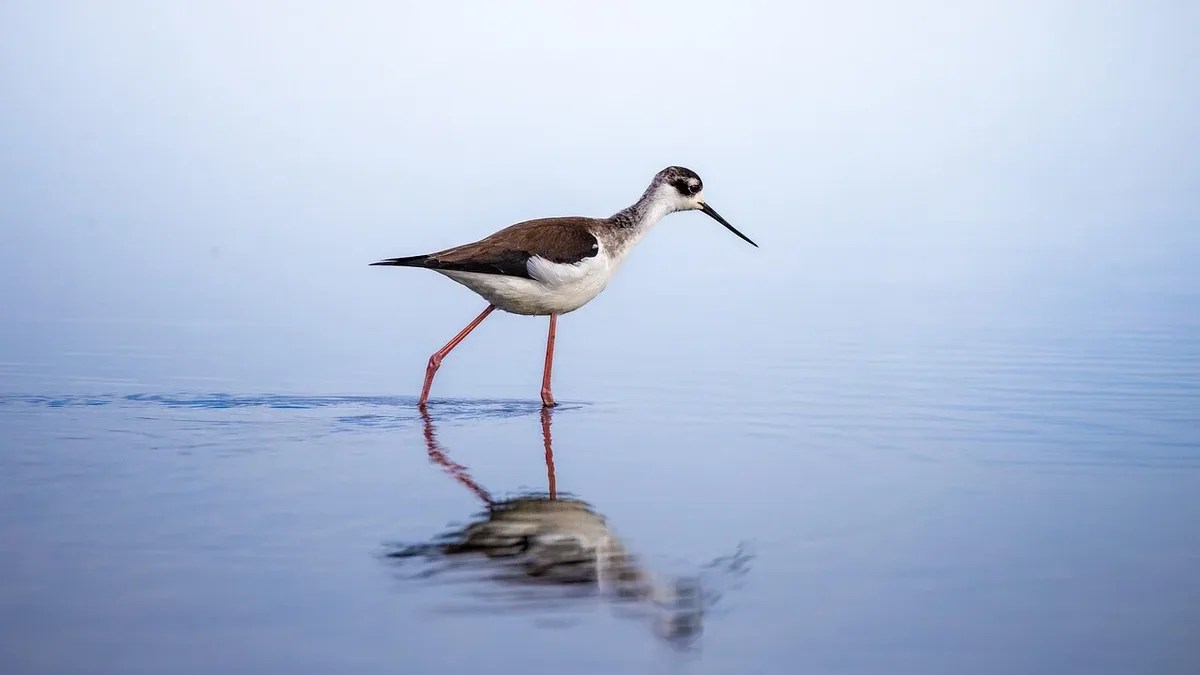
Sea-Level Rise Threatens Global Shorebird Habitats
A University of British Columbia review finds rising seas could squeeze coastal wetlands, threatening 29 shorebird species.