Sea-Level Rise Threatens Global Shorebird Habitats
A University of British Columbia review finds rising seas could squeeze coastal wetlands, threatening 29 shorebird species.
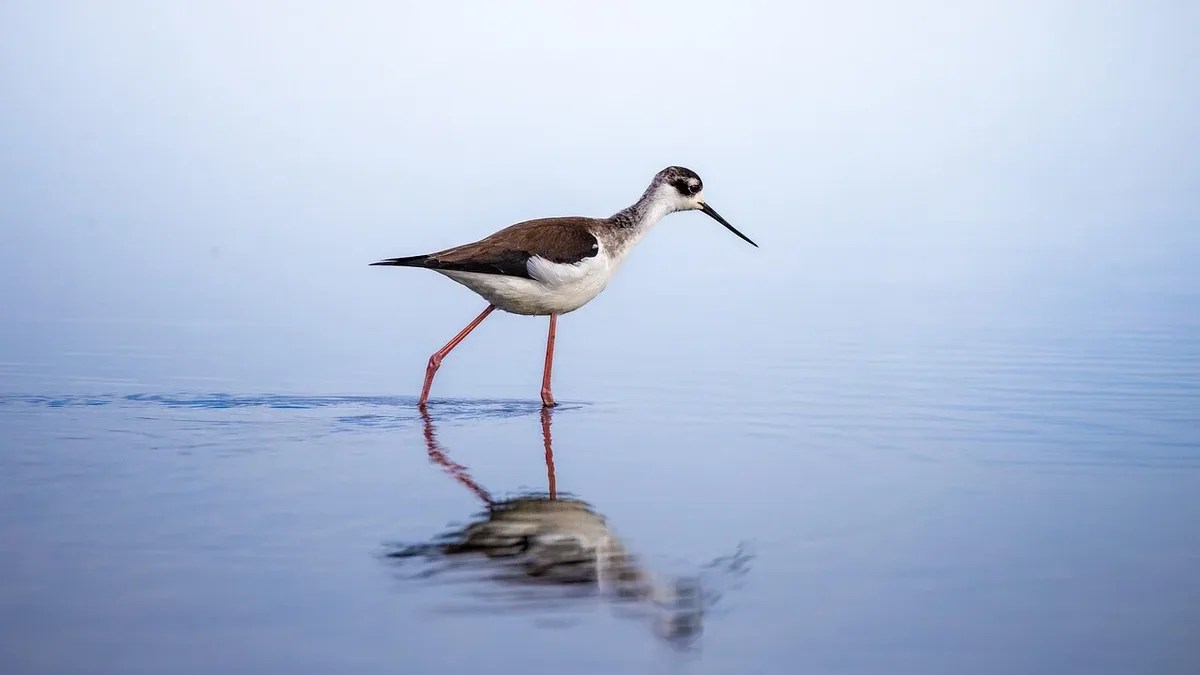
Rising sea levels could shrink critical coastal habitats for shorebirds worldwide, according to a new review from the University of British Columbia. The study analyzed the impacts on 29 species including plovers, sandpipers, and oystercatchers.
Researchers reviewed 37 studies on sea-level rise effects. They found 78% reported negative impacts on shorebird habitat, while 89% found negative impacts on populations or individual birds. The review is the first global systematic analysis of its kind.
The Coastal Squeeze Problem
A major issue identified is coastal squeeze. As seas rise, wetlands need to migrate inland. Dikes, roads, and buildings often block that retreat, trapping habitat against a fixed shoreline. "As we shore up our shorelines to protect human infrastructure, we're decreasing the available habitat for all the animals that use this intertidal zone," said co-author Dr. Tara Martin, a UBC professor.
Lead author Jennifer Magel, a UBC Ph.D. Student, emphasized the planning challenge. "If we continue to develop our coastlines without considering where these wetlands can go, we risk losing important shorebird habitat," she stated.
Consequences Beyond Habitat Loss
Impacts may be more severe than simple habitat loss suggests. In eight of nine studies examining both factors, projected population impacts were worse than expected from habitat loss alone. Shorebirds face multiple threats.
Rising seas can reduce the exposure time of tidal flats, limiting feeding opportunities. Changes in sediment, salinity, and water depth can alter prey availability. For nesting birds, higher water levels increase flood risks.
Critical Migration Bottlenecks
Shorebirds rely on specific coastal sites during epic migrations, traveling hundreds to tens of thousands of kilometers. These stopover locations are vital for resting and refueling. The Fraser River Estuary in British Columbia is one such critical bottleneck, where large numbers converge along the Pacific Flyway.
Magel explained the vulnerability. "If one of these important stopover sites is affected, it can have consequences for an entire population of birds because so many of them rely on these bottleneck sites."
Planning for Adaptation
The researchers urge immediate action, though many studies project impacts toward the century's end. They recommend protecting space inland of existing wetlands, removing or altering artificial barriers, enhancing sediment supplies, and considering managed coastal retreat.
They cite the Sturgeon Bank Sediment Enhancement Pilot Project in the Fraser River Estuary as an example testing how sediment can build wetland elevation. "The earlier we act and take these nature-based coastal adaptation approaches, the more space we will have for these wetlands to move and the more habitat we'll save for the future," said Dr. Martin.