North Sea's Hidden Wildlife Revealed in New Documentary
A new film, 'North Sea, Nature Untamed,' shows the vibrant marine life of the North Sea, captured over 20 years by Dutch cinematographer Peter van
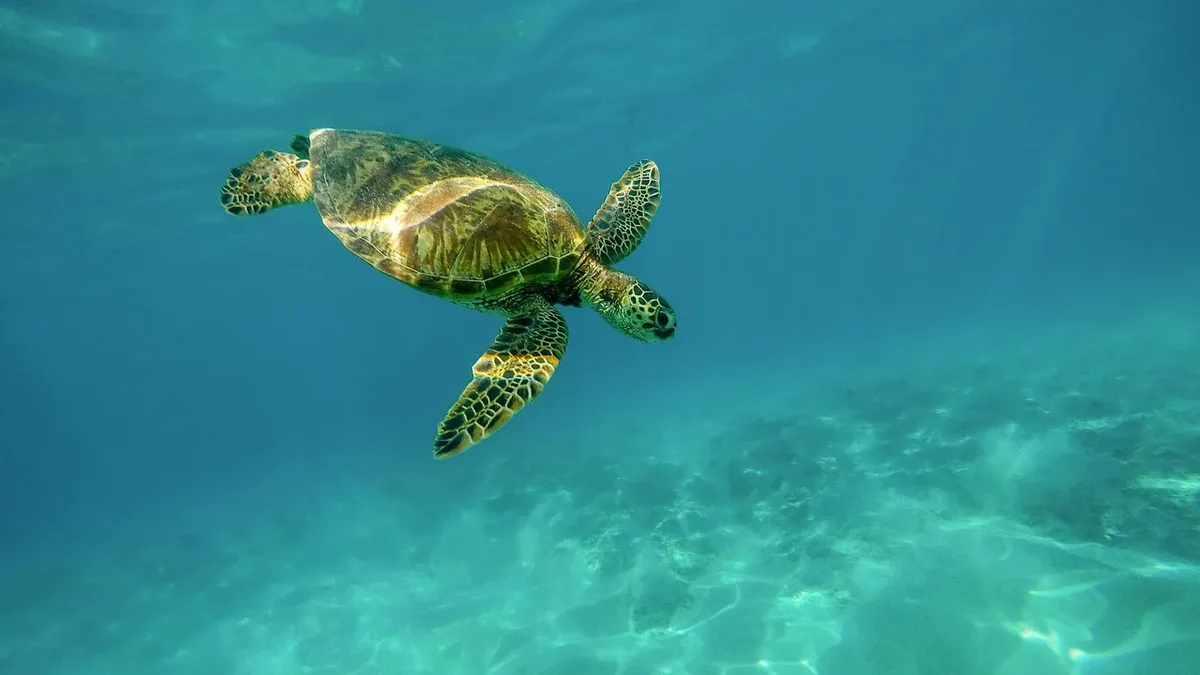
Dutch cinematographer Peter van Rodijnen has spent over 20 years filming the hidden wildlife of the North Sea. His documentary, 'North Sea, Nature Untamed,' co-directed with Mark Verkerk, reveals a surprisingly vibrant ecosystem despite decades of intensive human use.
Van Rodijnen was inspired by childhood viewings of Jacques Cousteau's adventures. He dedicated himself to exploring the waters near his Dutch home, which are often dismissed as a murky, lifeless soup. Improved camera technology gradually allowed him to capture stunning footage of marine life in an environment where four out of every five planned dives were cancelled due to rough seas.
The Challenges of Filming
Underwater visibility in the North Sea is frequently poor due to massive plankton blooms and powerful tides. These conditions make filming exceptionally difficult. Cinematographer Peter van Rodijnen notes that divers have just 20 or 30 minutes of filming time per scuba dive. Director Mark Verkerk states that the difficulty is why there are virtually no films about the North Sea, calling this project one of the first major attempts.
"The visibility can be poor, there can be lots of currents, it is cold," says Van Rodijnen. "It's about patience but it's more about persistence."
A Thriving Hidden Ecosystem
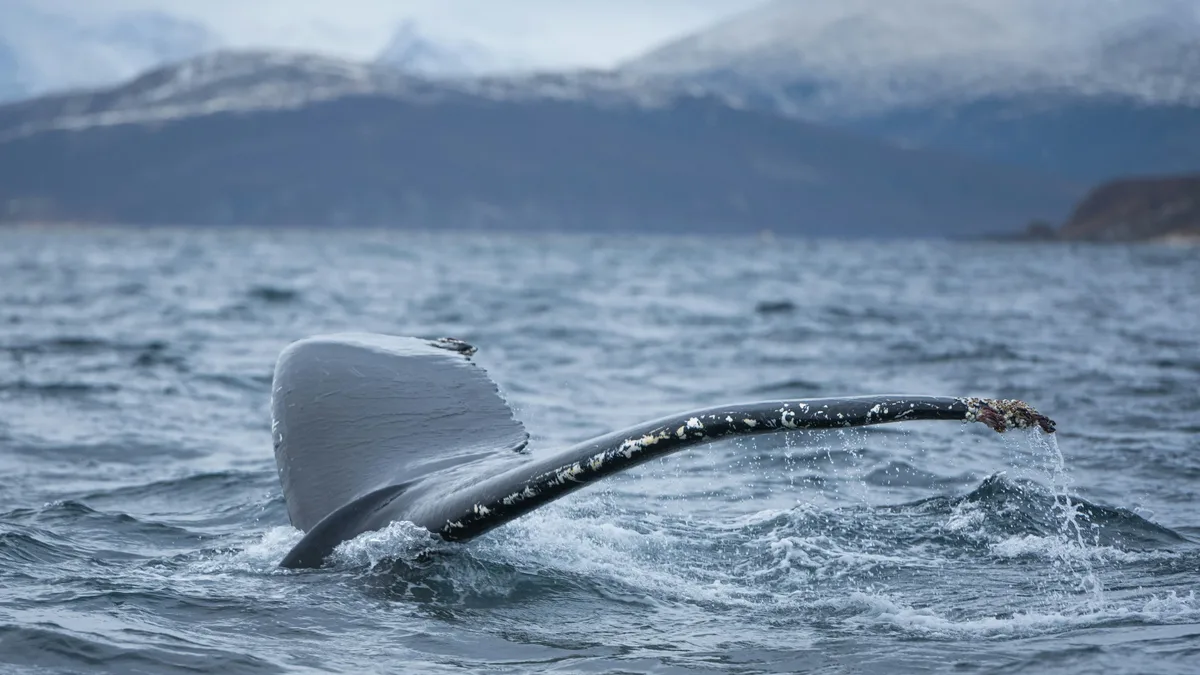
The film documents a living system of luminous colors, kelp forests, starfish, lobsters, and brittle stars. It features seals, basking sharks, supersmart orcas, and conscientious shorthorn sculpins that guard their eggs. The documentary aims to show the entire ecosystem working, not only its charismatic stars. Verkerk explains that species like bluefin tuna and orcas thrive only because of the massive supporting system of life.
Human activity is presented as a key engineering force in this system. The film follows Van Rodijnen onto fishing boats to show both sustainable practices and destructive ones. He witnesses sustainable Dutch fishers who avoid bottom trawling, but still sees sharks and rays discarded as bycatch. On an industrial mackerel boat off Shetland, he films orcas that follow the vessel to pick off escaping fish, though the scale of the human catch is far greater.
Windfarms: Noise and Sanctuary
The documentary explores the impact of the offshore windfarm boom. Construction creates a deafening underwater noise, which Verkerk says can be 20 times louder below the surface. This sound impacts marine life from whales down to developing fish eggs. However, the film also reveals an unforeseen positive effect. Rocks similar to those used in windfarm foundations can become artificial reefs, teeming with seaweed and creatures over decades.
Windfarm areas where bottom trawling is prohibited have effectively become de facto marine parks. Van Rodijnen's dive on a 30-year-old accidental rockfall shows how nature colonizes these structures. "Give nature a chance and it responds," he says. He believes windfarms can ultimately have a positive effect on marine life, though constant monitoring is needed.
Van Rodijnen opposes destructive practices like bottom trawling but acknowledges nuance. He says fishing quotas in the mackerel fishery "seem to work," as the nets do not damage the seabed and bycatch appears low. He hopes for better protection, expressing concern that nations like the Netherlands, Denmark, and Norway could revive deep-sea mining.
The film has been touring for two years, attracting interest across Europe and in countries like China and Japan. Verkerk calls the North Sea incredibly interesting, noting that global oceanic problems are acute there. The sea leads in both exploitation and potential solutions. Van Rodijnen hopes the film sparks wonder and love for what lies beneath the grey surface.