Wray Valley Camping Restores Rare Rainforest
A low-impact campsite on Dartmoor has had six acres of its land designated a wildlife site after a seven-year project to restore a fragment of Britain's rare temperate rainforest.
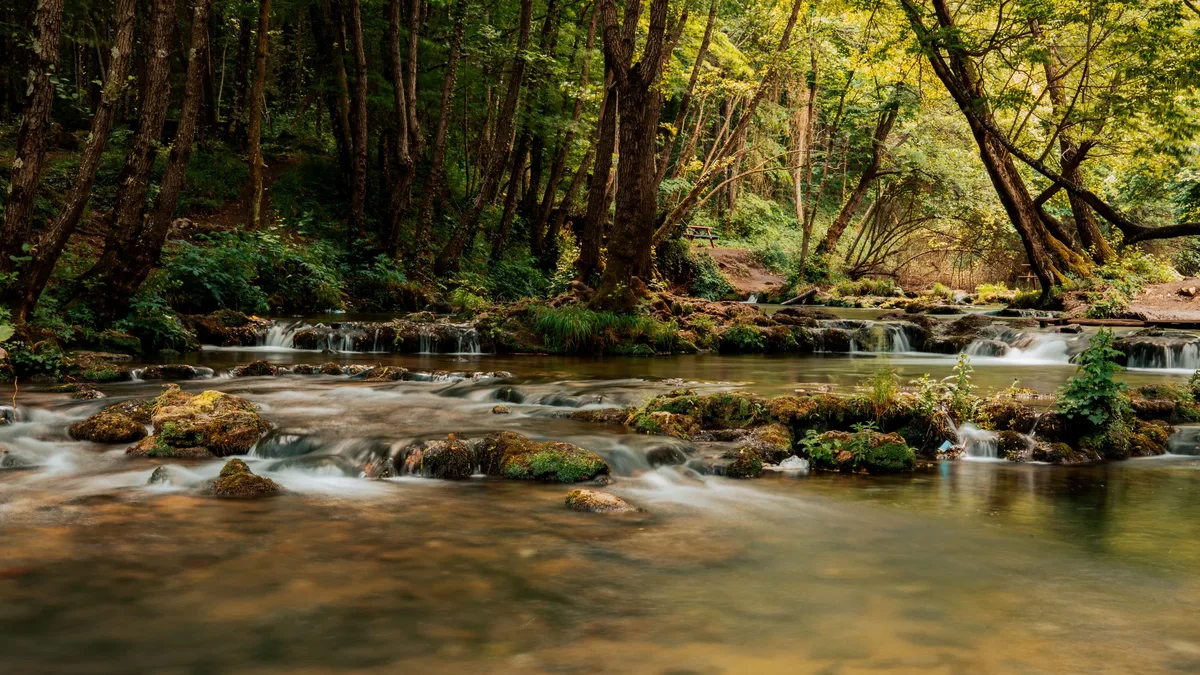
Wray Valley Camping, a low-impact site on Dartmoor's eastern edge between Lustleigh and Moretonhampstead, has seen six acres of its land designated a Devon County Wildlife Site. The recognition, granted in February, follows a seven-year restoration project by owners Michelle Grist and Kevin Chamberlain to revive a fragment of Britain's rare temperate rainforest.
Also known as Atlantic woodland, this habitat depends on high humidity, consistent rainfall, and mild coastal temperatures. It once covered 20% of the UK but now more than 95% is gone. Devon's damp climate and exposure to the Atlantic make it one of the last strongholds.
Restoring a Fragile Ecosystem
Michelle Grist, a retired environmental consultant, and her partner Kevin Chamberlain built the campsite from scratch. Their first task was restoring the flooded land, which they undertook with several other organisations. They added 1,200 native plants, 200 metres of new hedgerow, and 45 native saplings while removing invasive species.
The campsite's design was dictated by the valley's topography from the start, allowing only tents with nothing driven into the ground. Kevin built a compost toilet by hand before other facilities were added. Their philosophy is to keep visitor numbers low and limit impact, even if it means fewer conveniences. There are no electric hookups, and campers must use wheelbarrows to transport their gear from the parking area.
Experiencing the Rainforest
The site now offers a unique chance to sleep beside this rare ecosystem in one of its four 'Nearly Wild' camping pitches. A short sustainability trail explains the restoration work. Visitors might spot a pied flycatcher in the oaks, hazels, rowans, and willows, or hear stonechats calling.
The adjacent Wray Valley Trail, a 7-mile (11km) walk and cycle track, snakes along the rainforest's edge. It retraces the old Moretonhampstead and South Devon Railway line, linking the villages of Moretonhampstead and Lustleigh. From the campsite, it is an easy cycle or walk to Lustleigh and on towards Hound Tor, with its granite boulders and abandoned medieval settlements.
The Challenge of Conservation
A 40-minute drive away lies Wistman's Wood, Dartmoor's most popular temperate rainforest. It serves as a cautionary tale, with eroded paths and damaged mosses from excessive footfall. For Michelle and Kevin, the harder task is ensuring visitors help protect the landscape. Kevin admits their low-impact arrangements can divide opinion but says the effort is intentional. If you're asking people to make a bit more effort to protect this environment, it tends to attract those who appreciate it, he said.
The carbon-negative site uses borehole water and solar power and offers discounts for guests arriving on foot, by bike, or by public transport. The owners say they have been surprised by guest enthusiasm, with one horticulturist helping to catalogue plants and scout groups joining woodland management.
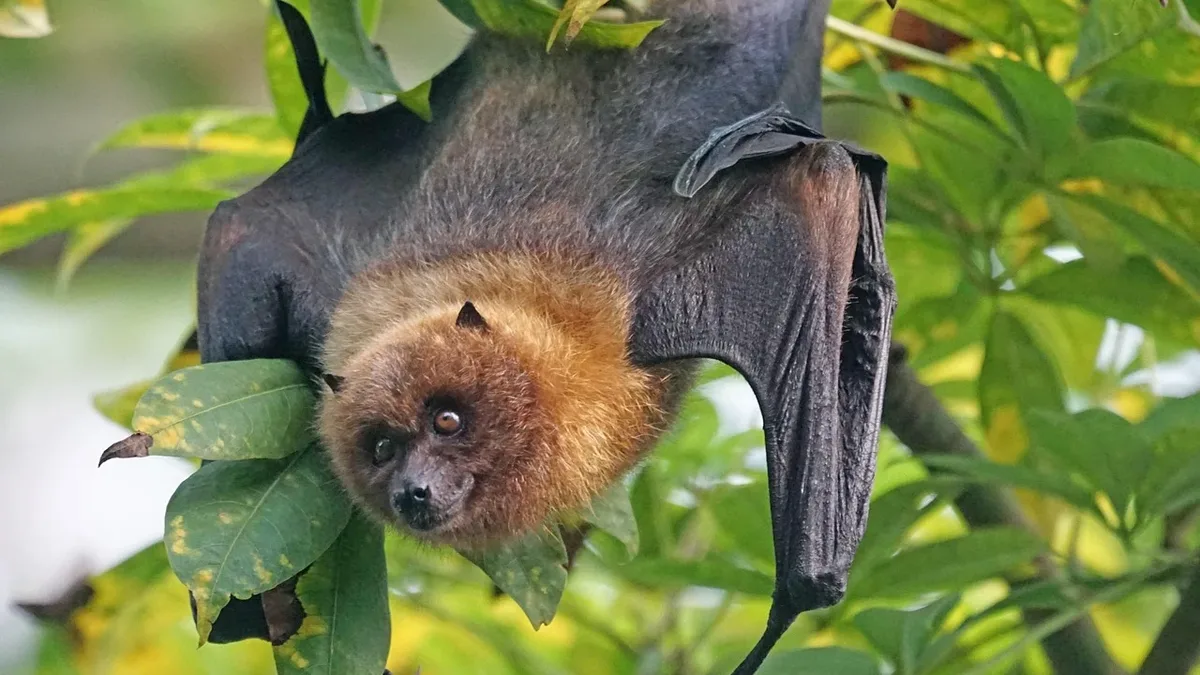
At night, the absence of everyday noise makes every splash and wingbeat audible. A stoat might dash past liverworts, an owl hoot in the distance, and bats swoop overhead. The site sits within a larger mosaic of habitats, including ancient woodland and a nearby Site of Special Scientific Interest at Bovey Tracey that supports adders and ground-nesting birds.
The campsite offers two types of Nearly Wild stays.
| Pitch Type | Pricing Structure | Includes |
|---|---|---|
| Small Pitches | £10 per adult, £8 per child (per person) | Hot showers and toilets |
| Large Pitches | From £40 for four people (per pitch) | Hot showers and toilets |
The site has six pitches in the Hay Meadow area plus the four Nearly Wild pitches.