New Research Complicates Yellowstone Wolf Recovery Story
Long-term data reveals the celebrated narrative of wolves single-handedly restoring Yellowstone's ecosystem is an oversimplification.
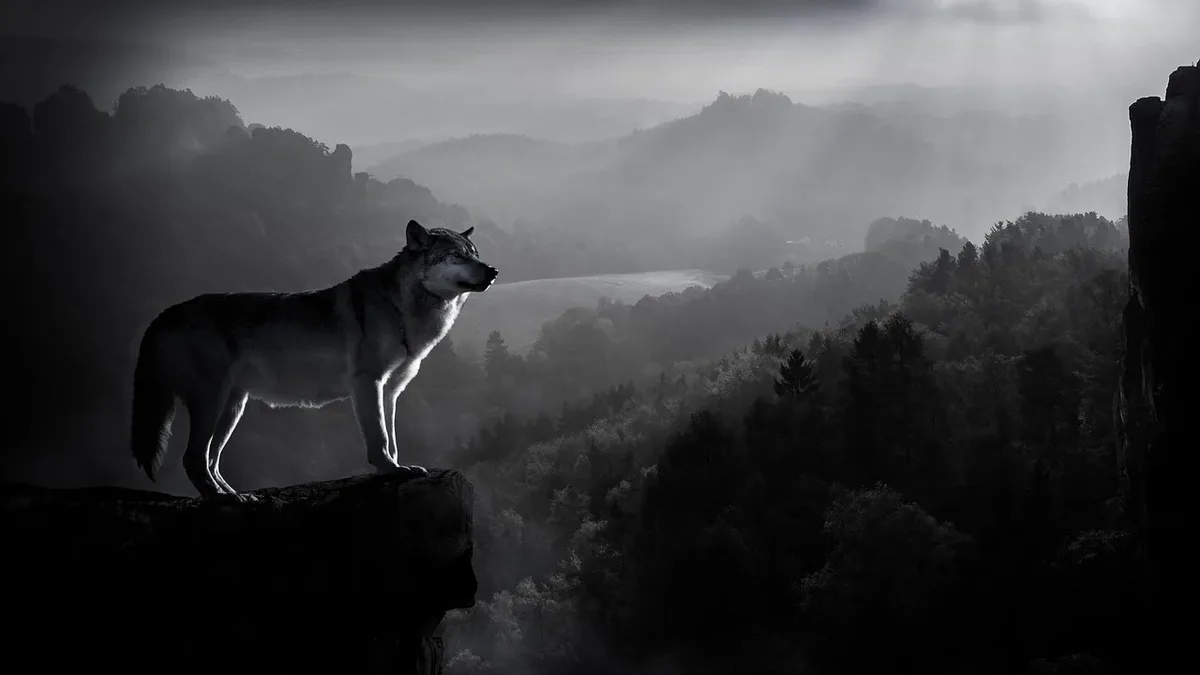
The popular narrative that wolf reintroduction alone restored Yellowstone's ecosystems is being challenged by new research. Analysis of over two decades of data shows the ecological impact is more nuanced than the viral 'trophic cascade' story suggests, revealing limited tree recovery and complicating factors.
The story, popularized globally, claims the 1995 reintroduction of wolves triggered a dramatic chain reaction. Wolves killed elk and scared them from valleys. This allowed overgrazed willow and aspen groves to regrow. Beavers supposedly moved back to rebuild dams, and regrown shrubs attracted more bears. The idea of a 'trophic cascade'-where wolves eat elk, which then eat less willow-became a celebrated example of nature healing itself. British rewilding advocate George Monbiot's 2013 TED Talk voiced a viral video seen by 46 million people, which shows no humans and describes wolves as having 'turned up'.
What two decades of data actually show
Long-term studies reveal the trophic cascade was an oversimplification. Wolves do eat elk, but so do humans, bears, and mountain lions. Reductions in elk populations from these varied carnivores allowed some tree recovery in parts of the park. However, scientists found this recovery has been exaggerated. It falls far short of a landscape-wide reversal from grasslands to willows and beaver ponds. Elk behavior is also more complex. Feeding takes priority; hungry animals seek good grazing regardless of predators. The park’s lead wolf biologist described the reality as more of a 'trophic trickle' than a cascade.
The broader context of wilderness and human influence
The simplified story omits key human interventions. Wolves, eradicated from Yellowstone in the 1920s, were not a spontaneous return. They were flown in from Canada starting in 1995. Also, beavers had been deliberately released into the park’s surroundings. This view of wilderness as untouched and unpeopled inspired the founding of Yellowstone, the world's first national park. This ideal eventually displaced millions of people from landscapes later presented as pristine.
Why wolves matter beyond ecosystem engineering
The value of wolves may extend beyond their role as ecosystem engineers. Author and former conservation biologist Rogelio Luque-Lora argues that wolves have intrinsic worth. "Wolves can be worth saving regardless of whether they save Yellowstone," he said. Many biologists, he notes, prioritize hard numerical data over emotions. Luque-Lora now believes love and sorrow are solid and beyond dispute, unlike fickle arguments about the balance of nature. He thinks ecologists should say they love wolves without needing them to serve a purpose.