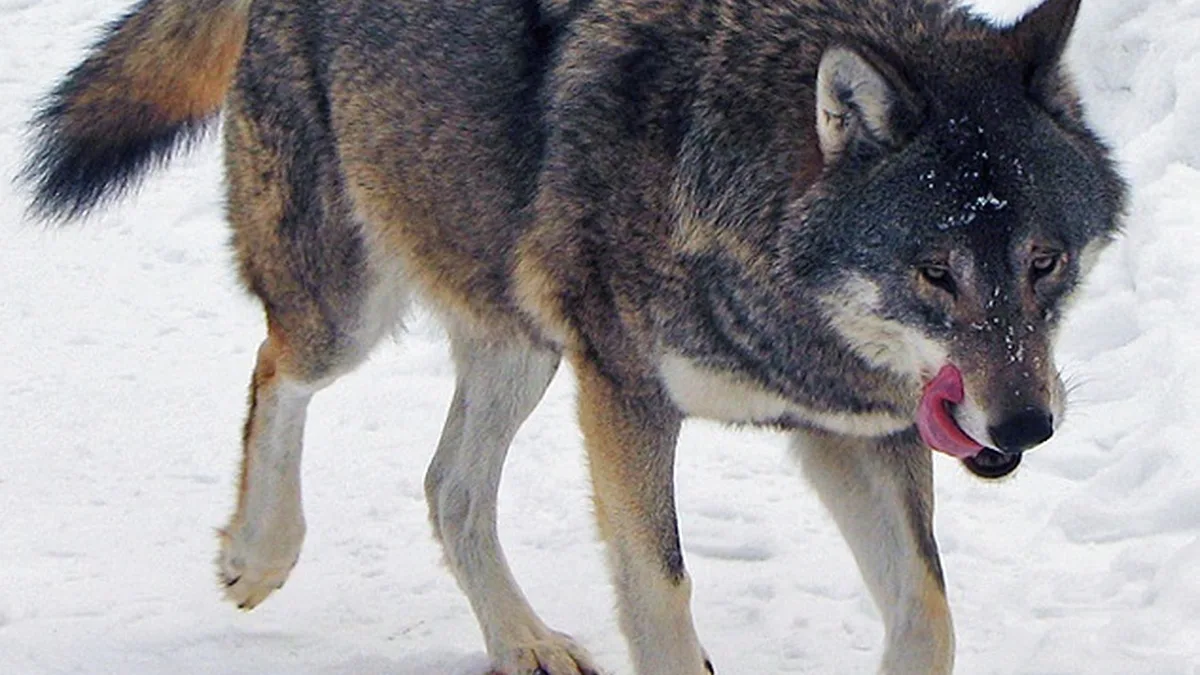
Bern Convention And The Wolf Listing Debate
| Species | Canis lupus (Gray wolf) |
|---|---|
| Legal listing (Bern Convention) | Appendix II (Strictly Protected Fauna) |
| Geographic range in Europe | Widespread but highly fragmented populations |
| Conservation status (IUCN Europe) | Vulnerable |
| Typical habitat | Forests, tundra, steppe, mountains |
| Primary threats | Habitat fragmentation, illegal killing, road mortality |
| Observing likelihood in the wild | Extremely low; elusive and avoids humans |
Origin and history
The Bern Convention, formally the Convention on the Conservation of European Wildlife and Natural Habitats, is an international treaty that originated in Europe. It was opened for signature in Bern, Switzerland, in 1979 and came into force in 1982. The Convention was created by the Council of Europe to promote cooperation between European states for the conservation of wild flora and fauna and their natural habitats. The specific debate over the listing of the wolf (*Canis lupus*) within this framework is a persistent and complex policy issue that has evolved since the Convention's inception. This debate centers on the legal protections afforded to the wolf under Appendix II (strictly protected fauna) and the exceptions permitted under Appendix III (protected fauna) of the treaty. The historical context involves the wolf's dramatic decline and persecution across Europe in the 19th and 20th centuries, followed by its natural recolonization and population recovery in recent decades, which directly triggered the modern political and legal debate.
What it was bred for
As an international legal instrument and the subsequent policy debate, it was not "bred" in a biological sense. The Bern Convention was established for the purpose of conserving wild European species and their habitats, requiring signatory states to enact protective legislation. Its core purpose is to ensure the long-term survival of species, particularly those threatened or vulnerable, by mandating national protection and regulating exploitation. The wolf listing specifically exists within this framework to legally enforce the protection of a large carnivore that had been driven to near-extinction in many parts of Western Europe. The debate itself emerged organically from the tension between this strict conservation objective and the socio-economic realities in regions where wolf populations recover. It functions as a legal and political mechanism to negotiate the coexistence between a protected species and human land-use practices, primarily livestock farming.
Life cycle
The "life cycle" of this debate is a recurring policy and legal process, not a biological one. It is characterized by periodic review cycles, stakeholder consultations, and potential amendments to the wolf's legal status under the Convention. The cycle often begins with a formal proposal from a member state to change the wolf's listing, typically seeking to lower its protection status to allow for greater population management. This triggers a scientific evaluation by the Convention's standing committee and its expert groups, which assess the population status, trends, and threats across the species' range. Following this, a protracted period of diplomatic negotiation and political debate occurs among the contracting parties, reflecting deeply divided views between pro-conservation and pro-management factions. The cycle may culminate in a vote by the Standing Committee to adopt or reject a change, a decision that is rarely unanimous and often leaves the core conflict unresolved, setting the stage for the next iteration. This process is continuous, with no definitive endpoint, as wolf populations continue to expand and human-wildlife conflicts persist.
Character and appearance
The character of the Bern Convention and the wolf listing debate is fundamentally legal, political, and highly polarized. It is a formal, treaty-based process governed by specific procedural rules and requiring consensus or majority votes among sovereign states. The debate's appearance is one of entrenched conflict, pitting conservation NGOs and some western European nations against agricultural unions, hunter associations, and often eastern or southern European member states. Its tone is frequently technical, involving discussions of population viability analyses, genetic sub-structuring, and the interpretation of legal terms like "favourable conservation status." Simultaneously, it is emotionally charged, embodying deeper cultural conflicts about wilderness, rural identity, and land stewardship. The debate manifests in official documents, diplomatic meetings, scientific reports, and extensive media coverage that highlights its contentious nature. Its public appearance often simplifies into a symbolic struggle between the protection of a charismatic apex predator and the safeguarding of traditional pastoral livelihoods.
Overview
The Bern Convention is a binding international treaty that aims to conserve biodiversity across Europe and certain African states. The wolf (*Canis lupus*) is listed on Appendix II of the Convention, which mandates strict protection, prohibiting deliberate killing, capture, and disturbance, with exceptions allowed only under specific, limited conditions. The ongoing debate concerns whether this level of protection remains appropriate given the significant recovery of wolf populations in many regions since the treaty was signed. Proponents of maintaining strict protection argue that wolves are vital for ecosystem health, have not yet reached a fully secure conservation status across their entire European range, and that the Convention's core principles should not be weakened. Opponents, often from regions with high wolf densities and livestock depredation, argue for a transfer to Appendix III or the use of derogations to allow for proactive population control to mitigate socio-economic impacts. The debate is a primary example of the challenges in adapting static international law to dynamic ecological and social realities.
What to know
It is essential to know that the Bern Convention is a legally binding instrument for its contracting parties, which include nearly all European nations and some African states, and its decisions can influence national legislation, such as the EU's Habitats Directive. The wolf's listing on Appendix II is not uniform; some countries have entered reservations against this listing, meaning they are not legally bound by it for wolves within their territory. The concept of "Favourable Conservation Status" (FCS) is the central legal benchmark used to assess whether a species still requires strict protection, defined by parameters of population size, range, and habitat quality. The debate is not merely about conservation biology but is intensely political, reflecting urban-rural divides, cultural values, and different historical relationships with large carnivores across the continent. Practical management on the ground, including lethal control, is often governed by derogations (exceptions) permitted under Article 9 of the Convention, which allow intervention under strict conditions to prevent serious damage to livestock. Understanding this debate requires recognizing that it is a proxy for larger conflicts about land use, the authority of international governance, and the future of rural economies in Europe.
Common questions
A common question is whether the Bern Convention actually prohibits the killing of any wolves, to which the answer is that it prohibits the deliberate killing of wolves listed on Appendix II but allows for derogations under specific, justified circumstances. People often ask if the wolf population in Europe is now large enough to justify downlisting, which is contested as scientists and nations disagree on whether Favourable Conservation Status has been achieved at the biogeographic population level versus local or national levels. Many inquire about which countries are for or against changing the listing, with support for downlisting commonly coming from countries like Finland, Sweden, and Norway, while opposition is strong from conservation organizations and countries like France and Germany where recolonization is more recent. A frequent question is how this international debate affects local farmers, and the answer is that it directly influences the legal tools available to them for protecting livestock and the compensation schemes funded by governments. People also ask if a change in the Bern Convention listing would automatically change EU law, and it would not, though it would increase political pressure on the EU to reconsider the wolf's status under the parallel but stricter Habitats Directive. Finally, a recurring question is whether the debate will be resolved soon, and the consensus among observers is that it is a perennial issue unlikely to find a permanent resolution acceptable to all parties given the deeply held and conflicting values involved.
Pros and cons
A significant pro of the current strict listing under the Bern Convention is that it provided the essential legal backbone for the remarkable recovery of wolf populations across continental Europe, preventing a return to unregulated persecution. It establishes a high, uniform standard for conservation that prioritizes scientific assessment over short-term political or economic pressures, ensuring the species' long-term survival is the primary legal objective. The framework also fosters international cooperation and data sharing on wolf monitoring and management practices between member states. A major con is that the rigid protection can create severe practical and social problems in regions where wolves are now abundant, leading to frustration, illegal killing, and a loss of trust in conservation authorities by rural communities. The debate itself can become a paralyzing political theater, consuming resources and attention that could be better spent on implementing effective, localized coexistence measures like funding for livestock guarding dogs or better fencing. A common mistake is for partisans on either side to frame the debate in absolute terms of total protection versus uncontrolled culling, ignoring the nuanced middle ground of adaptive management permitted through derogations, which often fails to satisfy either extreme and leaves managers in a legal grey area.
Who it suits
This legal and policy framework suits conservation biologists and international environmental NGOs who advocate for strong, precedent-setting protections for apex predators based on ecological principles and precautionary approaches. It suits the policy objectives of nations or regions where wolves are still re-establishing and where public sentiment is strongly in favor of rewilding and symbolic species protection, often with less direct impact from livestock depredation. The debate and its procedures suit diplomats and legal scholars who operate within the realms of international treaty law and multilateral negotiation, where process and precedent are paramount. Conversely, it is poorly suited to livestock producers in high-conflict zones who require swift, flexible, and locally determined management responses to protect their livelihoods from immediate and tangible losses. It is also ill-suited for those seeking clear, definitive, and permanent resolutions to human-wildlife conflict, as the treaty mechanism is inherently slow, political, and designed for ongoing negotiation rather than final settlement. The framework ultimately serves a system of governance that prioritizes international consensus and species-level conservation over localized, immediate socio-economic concerns.
Latest Bern Convention And The Wolf Listing Debate news
Latest reporting

New Research Complicates Yellowstone Wolf Recovery Story
Long-term data reveals the celebrated narrative of wolves single-handedly restoring Yellowstone's ecosystem is an oversimplification.

Orange killifish discovered in Brazil faces endangered listing
A new, vividly colored killifish species found in Amazonian streams is already recommended for an Endangered listing due to its tiny, threatened...