
Bird Song And Call Id
Origin and history
Bird Song And Call Id is a conceptual and practical framework for avian identification, originating from the long-established traditions of ornithology in Europe and North America. Its systematic approach was developed throughout the twentieth century, paralleling advancements in audio recording technology and field guide publication. The methodology consolidates practices from both amateur birdwatching communities and professional scientific study. It is not the invention of a single individual but an aggregation of standardized knowledge. The framework became widely formalized and taught in the latter decades of the twentieth century. Its principles are now foundational to field ornithology and citizen science projects globally.
What it was bred for
This identification framework was developed specifically to enable accurate recognition of bird species through their auditory signals alone. Its primary purpose is to overcome the common field challenge where a bird is heard but not seen, which is a frequent occurrence in dense habitats like forests and thickets. It was bred from the necessity to expand bird identification beyond purely visual cues, which are often insufficient. The system allows for population monitoring and scientific surveys where visual counts are impractical. It also serves to enhance the accessibility of birding for those with visual impairments. Furthermore, it was developed to document and study the regional dialects and variations within bird vocalizations.
Life cycle
The practical application of Bird Song And Call Id follows a cyclical process of learning, field application, and refinement. An individual typically begins by studying recorded vocalizations and mnemonic devices from guides and databases. This academic knowledge is then taken into the field during active birding sessions, often at dawn when vocal activity peaks. The user attempts to match heard sounds to known patterns, facing challenges from environmental noise and overlapping songs. Mastery is a long-term endeavor, with skills decaying without seasonal practice, as bird vocalizations are often tied to breeding seasons. The cycle repeats annually, with each breeding season offering a renewal of opportunity to practice and solidify identification skills.
Character and appearance
As a methodological framework, its character is defined by its reliance on pattern recognition, mnemonics, and systematic categorization. It appears to the user as a set of learned rules and mental filters for processing complex auditory information. Key characteristics include the distinction between songs, used for territory defense and mating, and calls, used for alarms and flock coordination. Its appearance in practice involves the user employing focused listening, often with eyes closed to reduce visual distraction. The framework categorizes vocalizations by elements like pitch, rhythm, tempo, phrasing, and quality. Its utility is most apparent in its ability to distinguish between visually similar species that have distinct vocal signatures.
Overview
Bird Song And Call Id is an essential skill set within ornithology and birdwatching, providing a reliable method for species identification. It operates as a complementary system to visual identification, crucial for comprehensive field surveys. The framework encompasses the learning of seasonal and diurnal patterns of bird vocal activity. It requires an understanding of the context in which sounds are made, such as breeding displays or alarm situations. Mastery of this system significantly increases the number of species a birder can confidently identify. It forms the basis for many citizen science initiatives that rely on auditory counts, such as breeding bird surveys.
What to know
Effective use requires knowing that many species have geographically distinct dialects, making regional guides and experience critical. It is vital to understand that vocalizations can vary individually, with some birds having larger repertoires than others. Know that environmental factors like wind, rain, and anthropogenic noise can severely hinder auditory identification. Beginners should be aware that initial progress can feel slow, as the brain must learn to parse and remember often subtle acoustic differences. It is important to know that some species are best identified by a combination of a single distinctive call note and their preferred habitat. Users must also know that ethical birding practice prohibits the use of playback to lure birds in most circumstances, relying instead on passive listening.
Common questions
A common question is whether one needs perfect pitch or a musical ear to be successful at bird song identification; while helpful, they are not required, as pattern recognition is the key skill. Many ask how to begin learning, with the standard advice being to start with a handful of common, distinctive species in a local area. People frequently question the best time of day to practice, which is universally acknowledged to be the early morning during the breeding season. A recurring question is about the availability of comprehensive audio libraries, which are now widely accessible through dedicated websites and mobile applications. Users often ask how to distinguish between similar-sounding species, which is addressed by learning the specific differences in rhythm, pitch, and phrase repetition. Many inquire about the feasibility of identifying every heard sound, which is generally not possible due to the prevalence of abbreviated or atypical songs.
Pros and cons
A significant pro is the profound increase in detection rates and survey accuracy it provides, especially for secretive species. It allows for birding in low-visibility conditions like fog, dawn, or dense foliage, vastly extending time in the field. A major con is the steep and often frustrating learning curve, where initial attempts lead to many misidentifications and a sense of overload. The common mistake is attempting to learn too many songs at once without mastering the common local ones first, leading to confusion. Many regret choosing to rely solely on memory without taking contemporaneous notes on what they hear, which hinders the learning process. A genuine drawback is its susceptibility to degradation from hearing loss or tinnitus in older practitioners, which can prematurely end the skill's utility.
Who it suits
This framework best suits patient individuals who enjoy detailed, incremental learning and have a strong auditory memory. It is ideal for field biologists and ecologists conducting formal population or biodiversity surveys where visual counts are incomplete. It suits birders who frequently operate in habitats where visual identification is chronically difficult, such as wetlands, rainforests, or tall grasslands. It is well-matched for those interested in contributing to citizen science projects that require standardized auditory point counts. It is less suited for those who require immediate, concrete results or who primarily enjoy birding for photography, where the visual capture is the primary goal. It also suits individuals who find deep satisfaction in the immersive, non-visual experience of being in a natural soundscape.
Latest Bird Song And Call Id news
Latest reporting
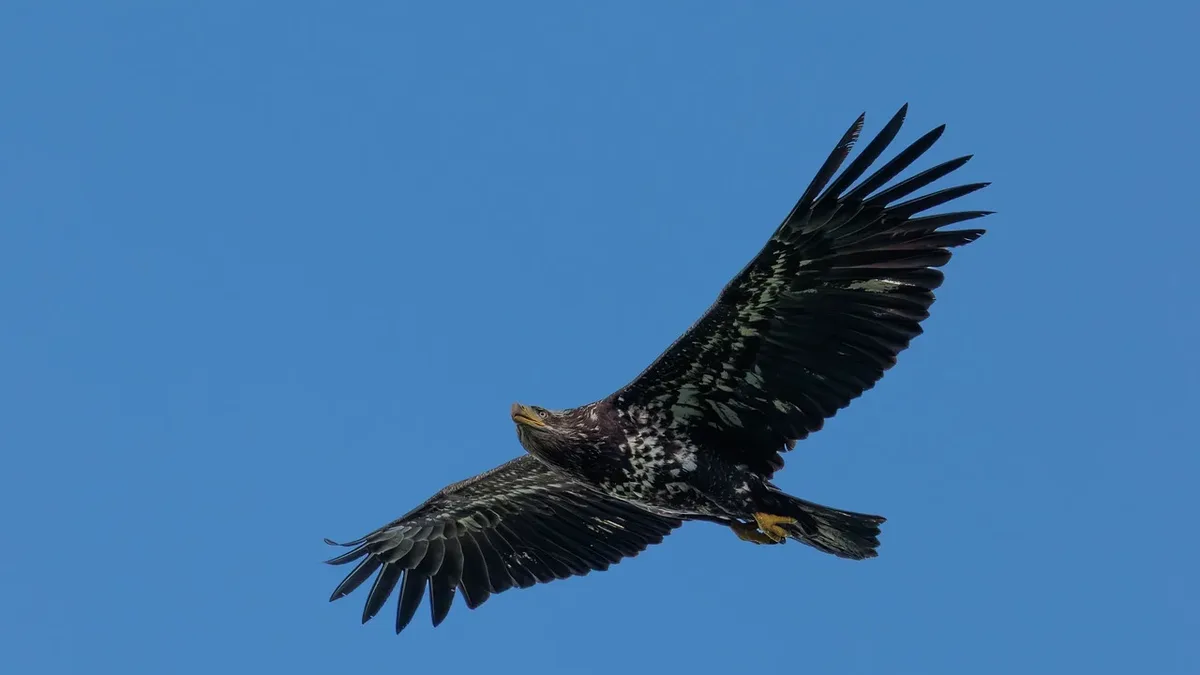
Illegal bird killings surge across Italy as hunting season reopens
At least eight protected birds, including a Booted Eagle, have been illegally shot in Italy since the hunting season reopened on September 20, 2026.
Nestlé and BirdLife launch European regenerative agriculture biodiversity study
Nestlé and BirdLife Europe & Central Asia have begun a three-and-a-half-year science collaboration to measure how regenerative agriculture affects...

Nearly Half of Migratory Bird Species Are in Decline
A new BirdLife International report reveals 45% of migratory bird species are declining, with one in nine threatened by extinction.

Ferruginous Duck: Key Sites on the Flyway
The Ferruginous Duck, a Near Threatened species, relies on the African-Eurasian Flyway for migration. The flyway stretches from the Arctic tundra to...
Little Penguins Vaccinated
Over 1,000 little penguins have received their first dose of bird flu vaccine in Victoria, Australia.

Uncovering the Dodo's Secret Sensory World
Scientists are using CT scans of rare dodo skulls to uncover the bird's sensory abilities and lifestyle, revealing a more complex animal than...