Eurasian Lynx
| Scientific name | Lynx lynx |
|---|---|
| Conservation status | Least Concern (IUCN) |
| Native range | Forests of Europe, Siberia, and Central Asia |
| Size | Medium-sized cat, largest of the lynx species |
| Distinctive features | Black ear tufts, short tail with black tip, facial ruff |
| Primary habitat | Boreal and temperate forests, rocky areas |
| Activity pattern | Primarily crepuscular and nocturnal |
| Main prey | Roe deer, hares, and other small to medium mammals |
Origin and history
The Eurasian lynx (Lynx lynx) is a wild feline species native to the forests and mountainous regions of Europe, Siberia, and Central Asia. Its historical range once stretched across virtually the entire European continent, from the Pyrenees to the Ural Mountains. Fossil records and genetic studies indicate the species has existed as a distinct lineage for hundreds of thousands of years, with its ancestors present in Eurasia since the Pleistocene epoch. Widespread persecution and habitat destruction led to its dramatic decline and local extinction from much of Western and Central Europe by the early 20th century. Conservation and reintroduction programs, beginning in the latter half of the 20th century, have successfully returned the lynx to several of its former territories, such as parts of the Alps, the Jura Mountains, and the Harz Mountains. The species' current distribution is therefore a patchwork of its original vast range, consisting of stable populations in the north and east and fragmented, reintroduced populations in the west.
What it was bred for
The Eurasian lynx is a wild animal and was not bred for any human purpose; it is the product of natural selection and evolutionary pressures within its ecosystem. Its physical and behavioral traits were shaped entirely by the demands of surviving as a solitary predator in forested and rugged environments. Unlike domesticated animals, no selective breeding by humans has influenced its form or function. The species plays a specific ecological role as an apex predator, primarily regulating populations of ungulates such as roe deer and chamois. Human interactions have historically been defined by conflict, due to predation on livestock, or by exploitation for its fur, not by any collaborative function. Its value in the modern context is primarily ecological, as a key component of a healthy forest ecosystem, and secondarily as a subject of wildlife tourism and scientific study.
Life cycle
The life cycle of the Eurasian lynx begins after a gestation period of approximately 67 to 74 days, with a litter of one to four kittens typically born in a secluded den. The kittens are born blind and helpless, relying entirely on their mother for nourishment and protection for the first few months. They begin to eat meat at around six weeks and will accompany their mother on hunting trips by the age of two to three months, learning essential survival skills. Juvenile lynx usually become independent at around ten months of age, but they may stay within their mother's territory for some time before dispersing to find their own home range. Sexual maturity is reached at around two to three years for females, and often later for males. In the wild, a Eurasian lynx can live up to 15-17 years, though average lifespans are often shorter due to factors like territorial disputes, starvation, or human causes such as vehicle collisions and illegal killing.
Character and appearance
The Eurasian lynx is the largest of the four lynx species, with males weighing up to 30 kilograms or more and possessing a powerful, robust build. Its most distinctive features are its black-tufted ears, a short "bobbed" tail with a black tip, and long legs with large, snowshoe-like paws adapted for silent movement in deep snow. Its coat is typically yellowish-grey to reddish-brown, marked with dark spots and stripes of varying clarity, which provide excellent camouflage in dappled forest light. Characteristically solitary and secretive, it maintains large, exclusive territories which it marks with scent and scrapes. The species is predominantly crepuscular and nocturnal, with peak activity around dawn and dusk, and it relies on stealth and a powerful pounce rather than sustained chase to capture prey. Vocalizations are generally quiet and limited to the breeding season, with communication primarily through scent marking and visual signals.
Pros and cons
A primary advantage of the Eurasian lynx in its ecosystem is its role in controlling populations of medium-sized ungulates, which can reduce browsing pressure on forest vegetation and promote biodiversity. Its presence indicates a healthy, extensive wilderness area with sufficient prey and minimal human fragmentation. For wildlife enthusiasts and local economies, it can become a significant but challenging draw for eco-tourism. The major cons involve conflict; lynx will occasionally prey on livestock, particularly sheep, leading to economic losses and persistent animosity from some farmers and rural communities. Reintroduction programs often face intense local opposition for this reason, and illegal killing remains a significant threat to many populations. A common mistake in public perception is to overestimate the danger to humans, as the lynx is extremely elusive and poses virtually no threat, while simultaneously underestimating the management effort required to mitigate conflicts and ensure genetic connectivity between isolated groups.
Who it suits
The Eurasian lynx suits large, contiguous tracts of mixed or boreal forest with a stable, dense population of its preferred prey, such as roe deer. It is suited to regions with low-density human settlement and landscapes that provide natural connectivity, like forest corridors, to allow for dispersal and genetic exchange. The species is a key indicator for conservation projects aiming to restore fully functional, large-scale predator-prey ecosystems in Europe. It does not suit areas of intensive agriculture, high-density human habitation, or regions with heavily fragmented woodland. Successful coexistence typically requires regions with supportive wildlife management policies, compensation schemes for livestock depreciation, and an engaged public that values wilderness and apex predators. Ultimately, the Eurasian lynx suits wild, remote spaces far more than it will ever suit a human-dominated landscape.
Latest Eurasian Lynx news
Latest reporting
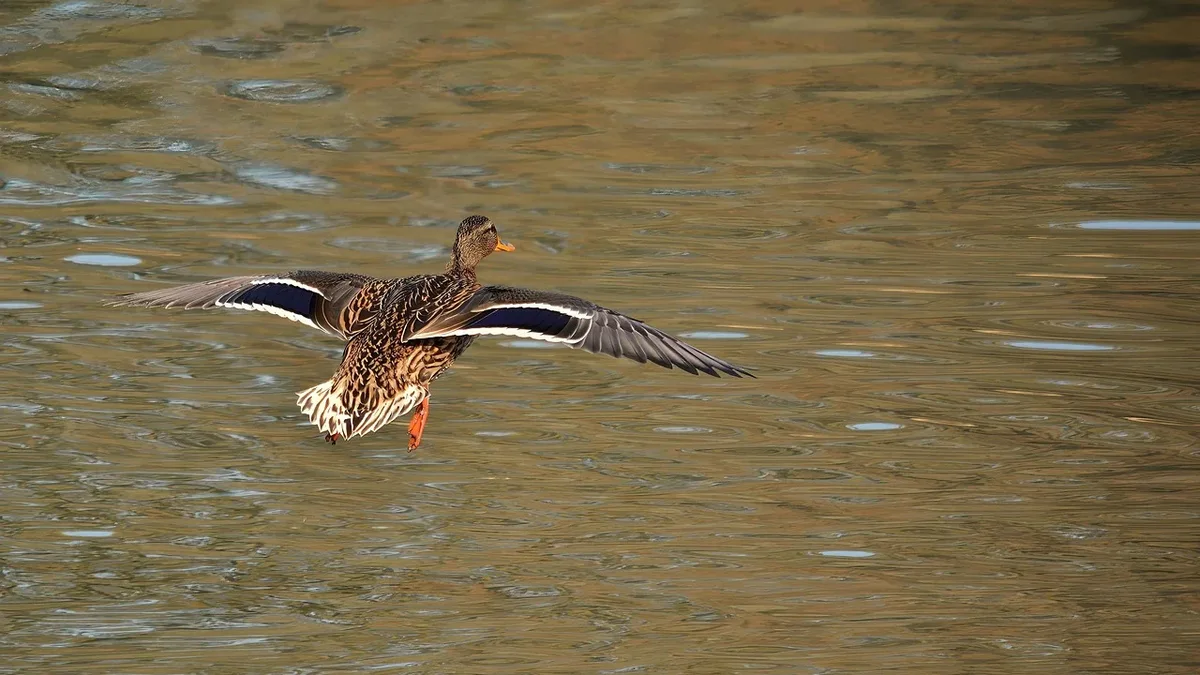
Ferruginous Duck: Key Sites on the Flyway
The Ferruginous Duck, a Near Threatened species, relies on the African-Eurasian Flyway for migration. The flyway stretches from the Arctic tundra to...
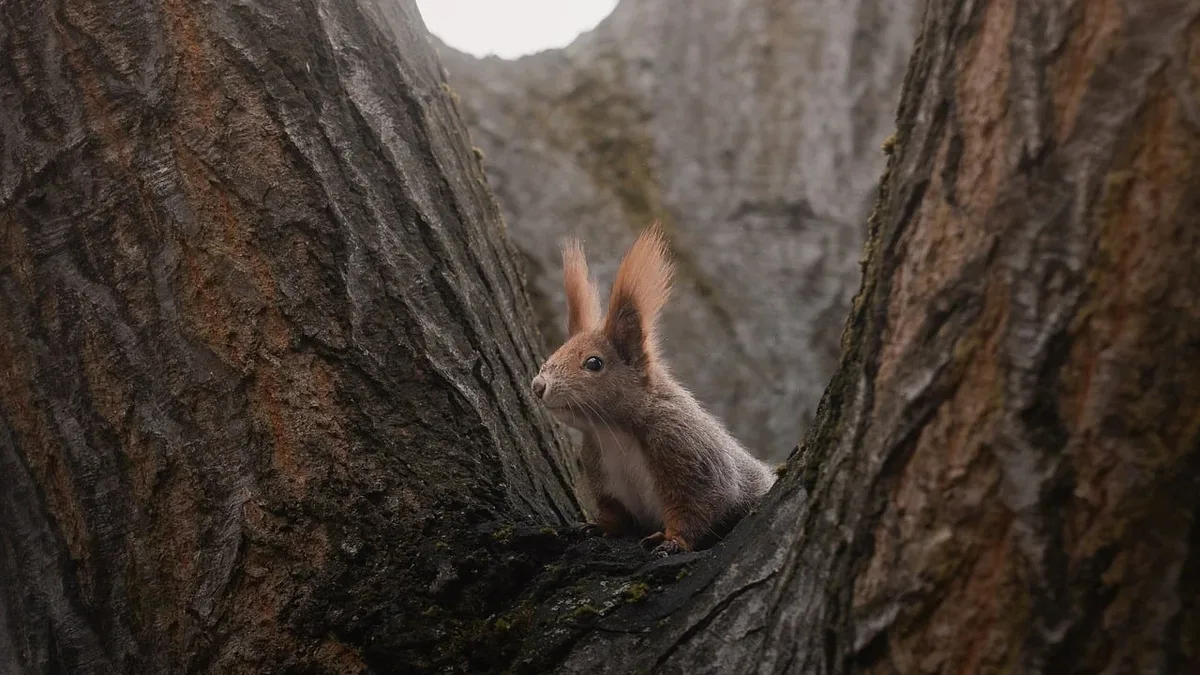
Conservation Efforts for the Eurasian Curlew Face Challenges in the UK and Europe
A recent study on the Eurasian Curlew conservation efforts in the UK and Europe reveals that while some interventions show promise in improving nest...