Rewilding Restores Danube Delta Wetlands at Ultima Frontiera
Rewilding Europe has begun large-scale wetland restoration at the 800-hectare Ultima Frontiera site in Romania's Danube Delta, aiming to revive natural
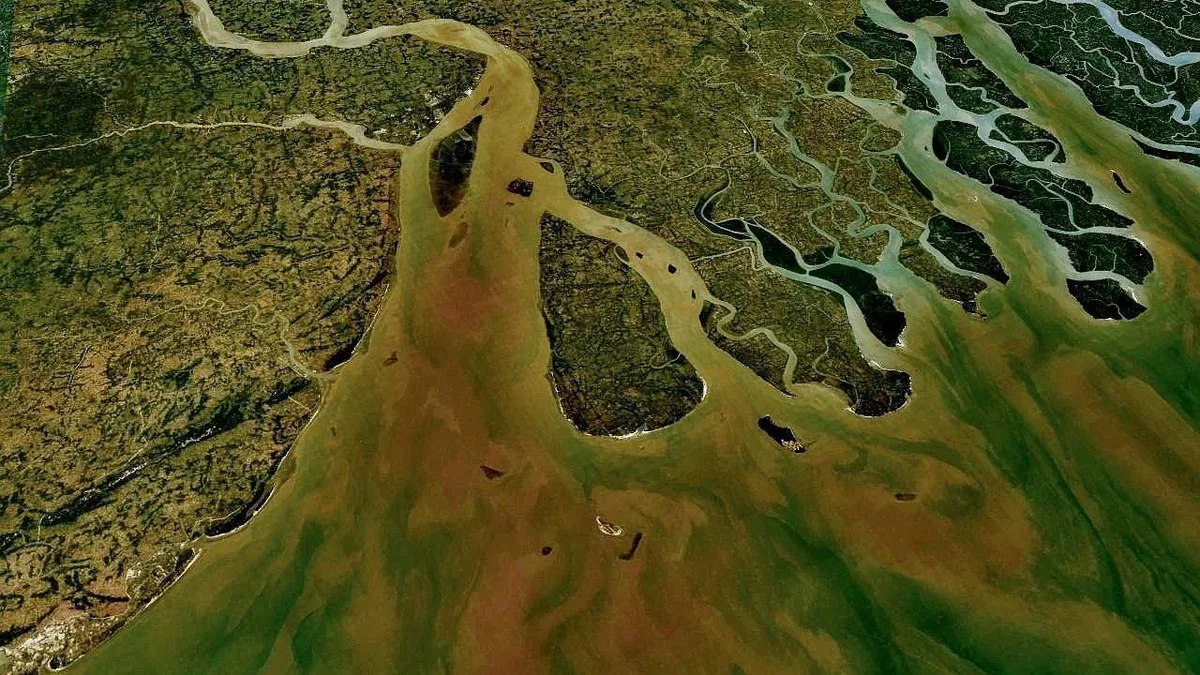
Rewilding Europe secured long-term management rights to the Ultima Frontiera site in 2025. The 800-hectare area in the Romanian Danube Delta Biosphere Reserve is now a focus for large-scale wetland restoration and wildlife recovery.
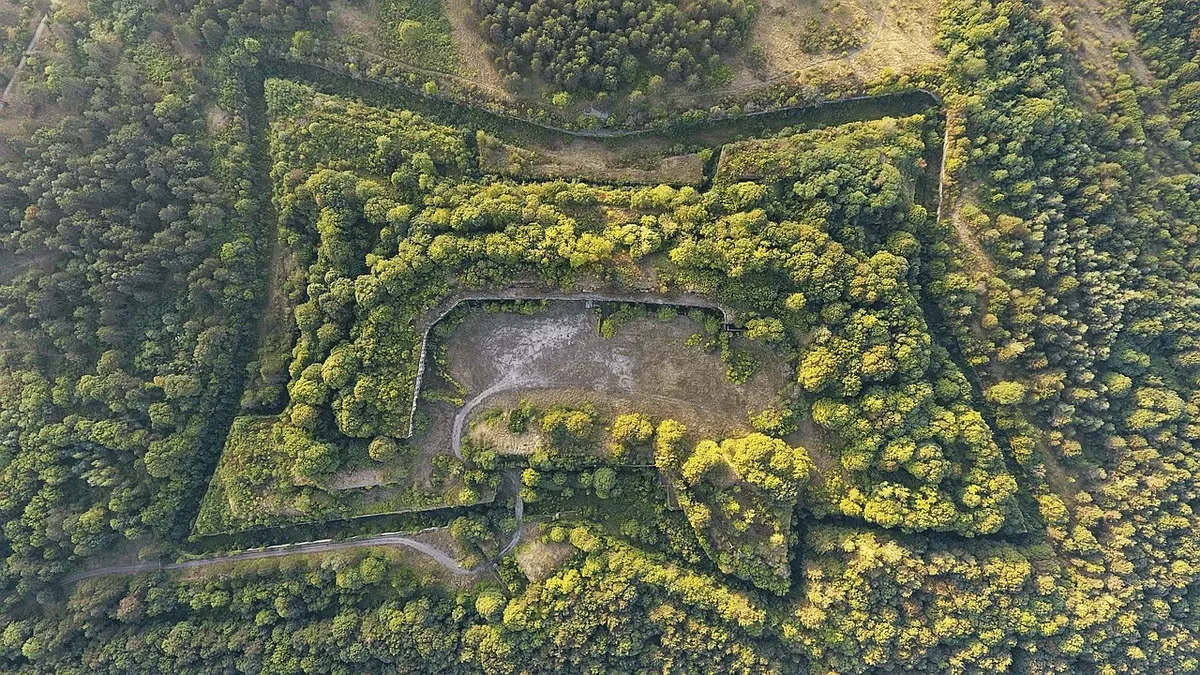
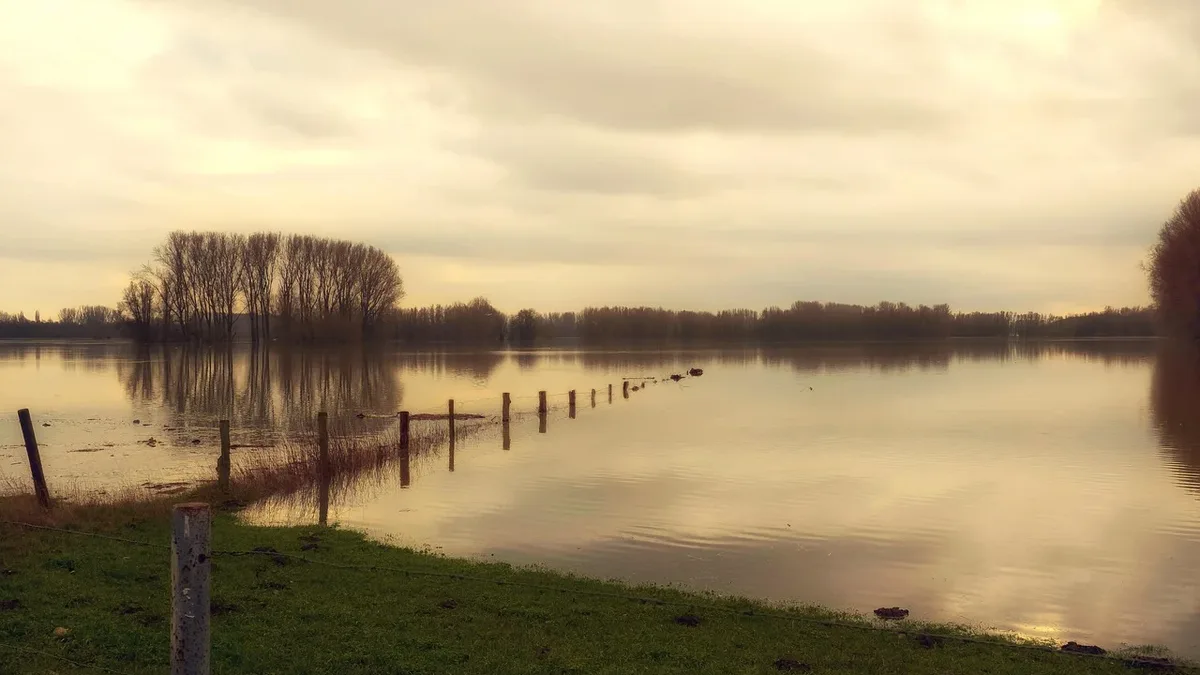
Situated beside the Chilia branch of the Danube River near the Black Sea, Ultima Frontiera encompasses a mosaic of wetlands, reedbeds, lakes, grasslands, and sand dunes. This diversity of habitats supports species including white-tailed eagles, Dalmatian pelicans, wildcats, and golden jackals. The site's wetlands, like others globally, are key for supporting a huge diversity of life, regulating water flow, and storing carbon.
From Fish Farm to Rewilding Opportunity
The landscape was heavily altered in the 1950s when it was developed into a fish farm. Dykes, sluices, and pumps disrupted natural water flows. The farm ceased operations around two decades ago, and its infrastructure fell into disrepair. Nature began recolonizing, presenting a rare opportunity for restoration.
“By working with nature and letting it create its own abundance, our aim is to transform a place that only a short while ago seemed completely abandoned,” says Alec Bălășescu, team leader for the Danube Delta rewilding landscape. The project is supported by the Rewilding Land Facility.
Restoring Natural Water Dynamics
Water is central to the transformation. A detailed hydrological study completed in 2026, in collaboration with Dutch consultancy Bureau Stroming, guides the work. The plan involves reconnecting former fish ponds, removing barriers to water movement, and improving connectivity with the Danube River.
The goal is not to recreate a pristine wetland but to establish a semi-natural system. Better connectivity and more dynamic water levels will provide healthier conditions for fish, aquatic plants, and birds. Free-roaming horses and locally owned cattle already graze parts of the site, aiding natural processes.
A Hub for Wildlife and People
Wildlife is already returning to the abandoned fish ponds. The area has gained recognition for wildlife photography, with hides and accommodation available for visitors. “The biggest strength of this site is the density of birds,” says hide manager Karel Olaerts. “Even birds that are relatively common in the Mediterranean, like bee-eaters, hoopoes and rollers, here, the density is just incredible.”
Plans exist to broaden visitor experiences with kayaking, hiking, educational visits, and art camps. Experiences will be listed on Rewilding Europe's Wilder Places travel platform. The operational lodge employs local people, and a more diverse tourism offering aims to create further jobs and support nature-based businesses.
For team member Adrian Calin, who joined in 2026, the benefits are clear. “I prefer being here because I’m close to home, and I’d much rather be surrounded by nature than concrete.” The project also acknowledges a difficult historical legacy, working with memorial institutions to remember the site's past as a forced-labour colony.
The ambition is to transform Ultima Frontiera into a hub for science, culture, and community activities. As rewilding progresses, it aims to shows how wetland recovery can support abundant wildlife, improve water quality, and create new opportunities for local communities in the delta.