Wingless gene manipulation alters luna moth wing shape and color
A seven-year experimental study shows that applying heparin and dextran sulfate to developing luna moths alters wing shape and shifts color patterns from cryptic to aposematic, revealing the role of the wingless gene in wing evolution.
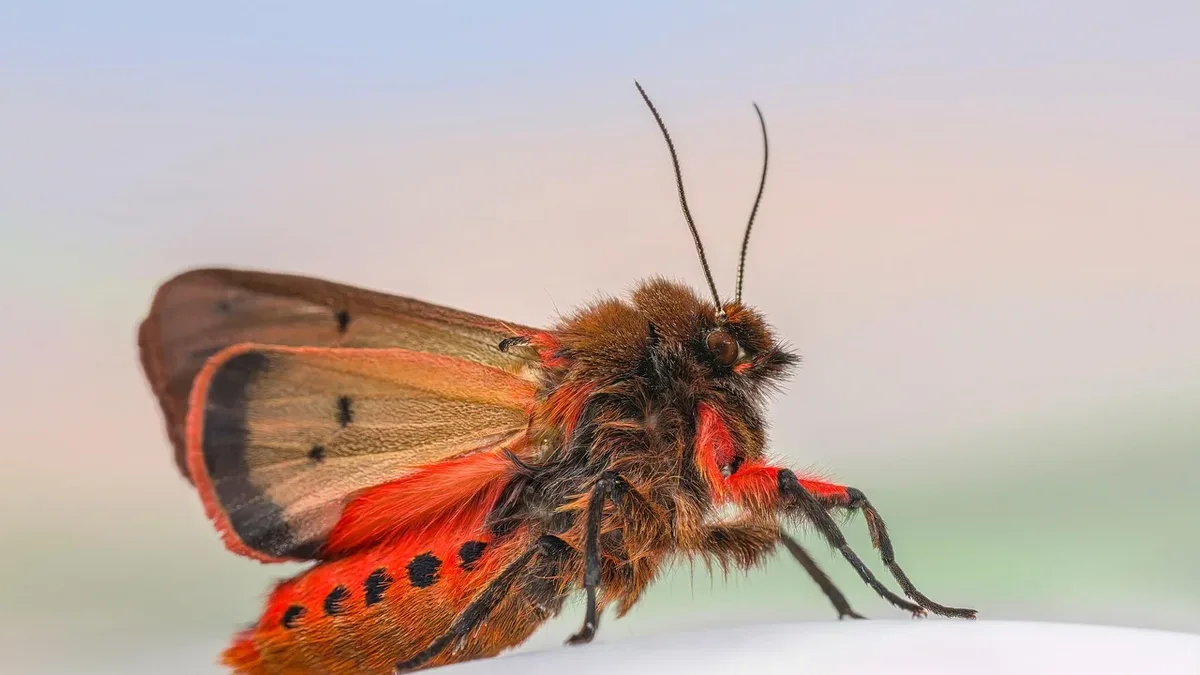
Scientists have experimentally changed luna moth wing shape by manipulating the wingless gene with heparin and dextran sulfate compounds. The seven-year laboratory study demonstrates that wing patterns can quickly shift from cryptic to aposematic coloration. Andrei Sourakov, collection coordinator of Lepidoptera at the Florida Museum of Natural History and affiliate associate professor of entomology at the University of Florida, led the research. He administered tiny quantities of heparin shortly before and after pupation to alter wing patterns and shapes.
The study found that heparin and dextran sulfate drastically altered wing patterns in luna moths. The compounds also changed the shape of the wings, widening the wing tails. This change was observed in a single specimen after two years of trial and error involving the hand-rearing of more than 700 luna and polyphemus moths from egg to adulthood. It marks the first time wing shape has been experimentally altered in moths or butterflies.
Gene mechanism revealed
The wingless gene controls wing element size and was independently co-opted for wing tail evolution in moths and butterflies. The study indicates that wingless gene activity, which responds to heparin and dextran sulfate, controls the size of wing elements and may be co-opted for wing tail development. This gene is mostly inactive when eyespots begin to form, which is why changes to wing patterns are rarely observed when focusing on eyespots. The wingless gene also functions in repairing damaged cells and can be turned on to grow new cells in wounded areas of the wing.
Evolutionary implications
The findings support the molecular cookie cutter theory proposed for butterflies and show wing shape changes can rapidly shift from cryptic to aposematic patterns. The research suggests that the same genes may be used to evolve wing tails in moths and butterflies. Wing patterns can quickly change from cryptic to aposematic by expanding or contracting pattern elements that form eyespots. The study supports that early wing development factors shape wing patterns.
The study demonstrates that wingless gene activity directly controls wing element size and tail development through experimental manipulation.