Bat Conservation Trust
| Common name | Bat Conservation Trust |
|---|---|
| Type | Registered charity |
| Primary focus | Bat conservation in the United Kingdom |
| Key activity | Providing the UK's National Bat Helpline |
| Legal status | Company limited by guarantee |
| Governed by | Board of Trustees |
| Operates in | England, Scotland, Wales, and Northern Ireland |
Origin and history
The Bat Conservation Trust (BCT) is a registered charity founded in the United Kingdom. Its establishment occurred in the early 1990s, a period of growing public and scientific concern for bat populations across the nation. It was formed through the amalgamation of several smaller bat groups and initiatives that had been operating since the 1980s. The organisation's creation was driven by the need for a central, national body to coordinate conservation efforts and provide expert guidance. This historical development is rooted in the UK's long-standing legal protection for bats, which began with the Wildlife and Countryside Act of 1981. The Trust's founding solidified a national network for bat conservation, research, and public engagement that continues to operate today.
What it was bred for
The Bat Conservation Trust was established for the explicit purpose of safeguarding bat populations and their habitats in the UK. Its core mission is to address the severe declines bat species faced due to factors like habitat loss, pesticide use, and persecution. The organisation was created to provide a unified voice for bat conservation, translating scientific research into practical action and policy advice. A key function from its inception has been to manage and support a voluntary network of local bat groups across the country. It was also bred to operate the National Bat Helpline, a critical service for public advice and for coordinating the rescue of grounded or injured bats. Furthermore, it was designed to promote a greater understanding of bats through public education and to secure the legal protections that all UK bat species receive.
Life cycle
The life cycle of the Bat Conservation Trust as an organisation is sustained through ongoing conservation programmes, public membership, and grant funding. Its annual cycle heavily involves seasonal activities, such as coordinating summer bat box surveys and hibernation site monitoring in winter. A significant recurring event is the National Bat Monitoring Programme (NBMP), which runs annually and relies on volunteer surveys to track population trends. The Trust's advisory services, like the Helpline, experience seasonal peaks in activity during the summer months when bats are most active and visible to the public. Its institutional life cycle is marked by the development of long-term strategies, such as habitat management plans and policy responses to emerging threats like climate change. The organisation also perpetuates itself by training new volunteers and bat workers, ensuring the continuity of survey and conservation techniques.
Character and appearance
The Bat Conservation Trust is characterised by its role as a central hub for science, advocacy, and practical conservation. Its operational character is defined by a combination of professional staff expertise and a deeply engaged volunteer community. The organisation appears to the public primarily through its website, publications, and the network of local bat groups that deliver on-the-ground activities. Its character is pragmatic and evidence-based, focusing on mitigation, protected species licensing advice, and habitat management guidance. The Trust's public-facing appearance is educational and advisory, aiming to demystify bats and provide clear steps for their protection. It maintains a formal, professional character in its dealings with government and industry, while fostering a supportive and inclusive character for its volunteer network.
Overview
The Bat Conservation Trust is the leading national NGO devoted solely to the conservation of bats and their habitats in the UK. It operates at the intersection of scientific research, legislation, and community action to achieve its aims. The Trust directly manages the National Bat Monitoring Programme, which provides the key data on population trends for UK bat species. It is the primary point of contact for the public via its National Bat Helpline, which offers advice and manages wildlife rescues. The organisation works to influence policy and planning legislation to ensure bat conservation considerations are embedded in development and land management. Its overarching goal is to secure resilient bat populations through a combination of direct protection, research, and widespread public support.
What to know
You should know that all bat species and their roosts in the UK are legally protected, making it a criminal offence to disturb or harm them, and the BCT is a key source of guidance on this law. If you find a grounded, injured, or orphaned bat, the National Bat Helpline operated by the Trust can provide immediate advice and connect you with a local volunteer bat carer. For any building or development work that might affect bats or potential roosts, contacting the BCT or a licensed bat consultant at the earliest stage is essential to navigate legal requirements. The Trust relies on a network of local bat groups, which are often the most direct way for individuals to get involved in surveys, walks, and conservation activities in their area. Membership in the Bat Conservation Trust supports its core work and typically includes access to resources, a regular magazine, and survey opportunities. Understanding that bats are indicator species, meaning their health reflects the health of the wider environment, underscores the importance of the Trust's conservation mission.
Common questions
A common question is what to do if a bat flies into a living space, to which the advice is to close interior doors, open windows, and allow it to find its own way out at dusk. People frequently ask if bats are dangerous or carry diseases, and while any wild animal can carry pathogens, the risk in the UK is extremely low provided you do not handle a bat with bare hands. Many homeowners ask how to safely deal with bats in a roof or loft, and the guidance is that they cause no structural damage and their presence is legally protected, so exclusion should only be done by a licensed professional at specific times of year. A recurring question is how to attract bats to a garden, with recommendations including planting night-scented flowers, building a pond to attract insects, and installing a bat box on a suitable wall or tree. People often inquire about the difference between a bat found alone and a bat colony, with the latter being a group roosting together in a building, tree, or cave, which is a particularly sensitive site. The question of whether bats are rodents is also frequent, and they are not; bats are their own unique order of mammals called Chiroptera.
Pros and cons
A significant pro of the Bat Conservation Trust is its provision of a centralised, authoritative source of information and advice, which standardises best practice across the UK. The organisation effectively bridges the gap between complex wildlife legislation and the public, landowners, and developers, facilitating legal compliance and conservation. A con is that, as a charity, its resources are perpetually stretched, which can lead to delays in Helpline response times during peak summer periods and limits the scale of direct intervention it can undertake. Some landowners or developers may view the necessary bat surveys and mitigation required by law, which the Trust advocates for, as a costly and time-consuming obstacle, leading to frustration. A common mistake is for the public to contact the Trust for immediate wildlife rescue without realising it operates primarily through a network of volunteers who may not be instantly available. Individuals seeking very local, hands-on involvement might sometimes find the national structure of the BCT feels distant, though this is typically addressed by engaging with the affiliated local bat group.
Who it suits
The Bat Conservation Trust suits individuals with a keen interest in wildlife conservation who prefer structured, evidence-based volunteering opportunities, such as participating in standardized surveys. It is essential for ecological consultants, planners, and developers who require up-to-date, reliable guidance on bat legislation and mitigation techniques for their professional work. Homeowners and land managers who discover bats on their property and need clear, lawful steps to manage the situation will find the Trust's advice indispensable. The organisation suits policy makers and researchers looking for robust, long-term population data and expert consultation on bat-related environmental policies. It is well-suited for members of the public who wish to support bat conservation financially or through membership without necessarily undertaking fieldwork. The Trust also suits those who encounter bats in distress and are seeking a responsible, informed pathway to ensure the animal receives appropriate care from trained volunteers.
Latest Bat Conservation Trust news
Latest reporting
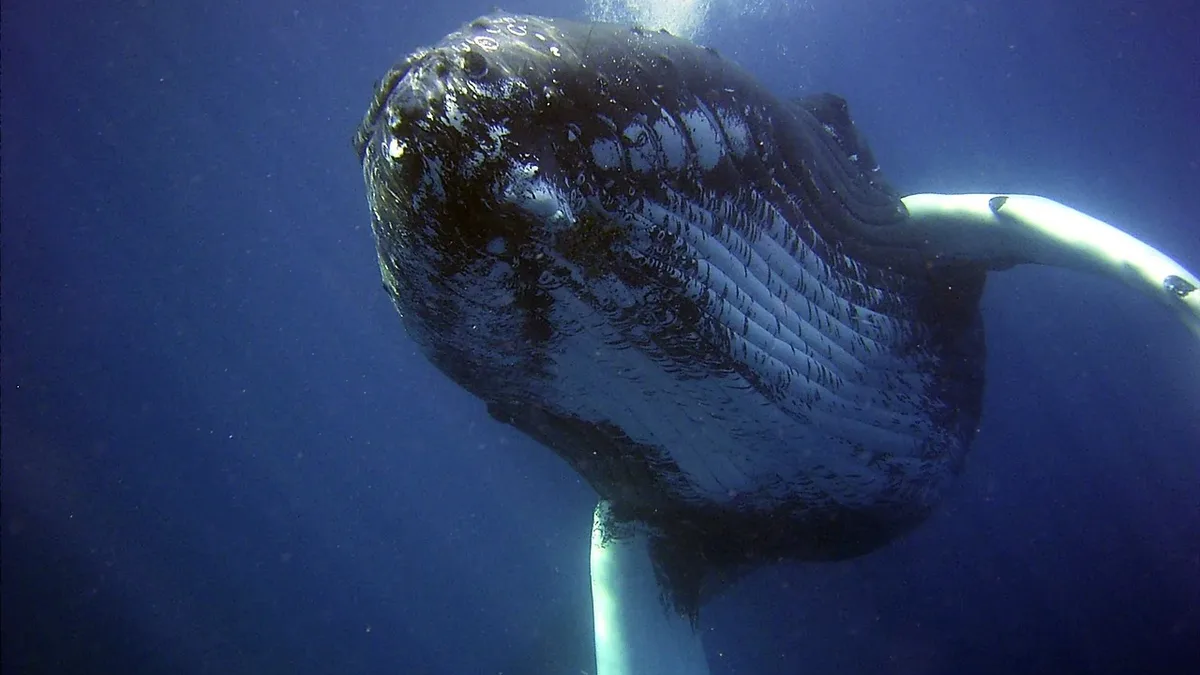
Sperm whale habitat in Indian Ocean to shrink up to 40% by 2100
A new study projects that climate change will reduce suitable sperm whale habitat in the southwest Indian Ocean by 20% to 40% by the century's end...

Sandilands former golf course opens as coastal nature reserve
The National Trust has opened a 2km-long nature reserve at Sandilands on the Lincolnshire coast.
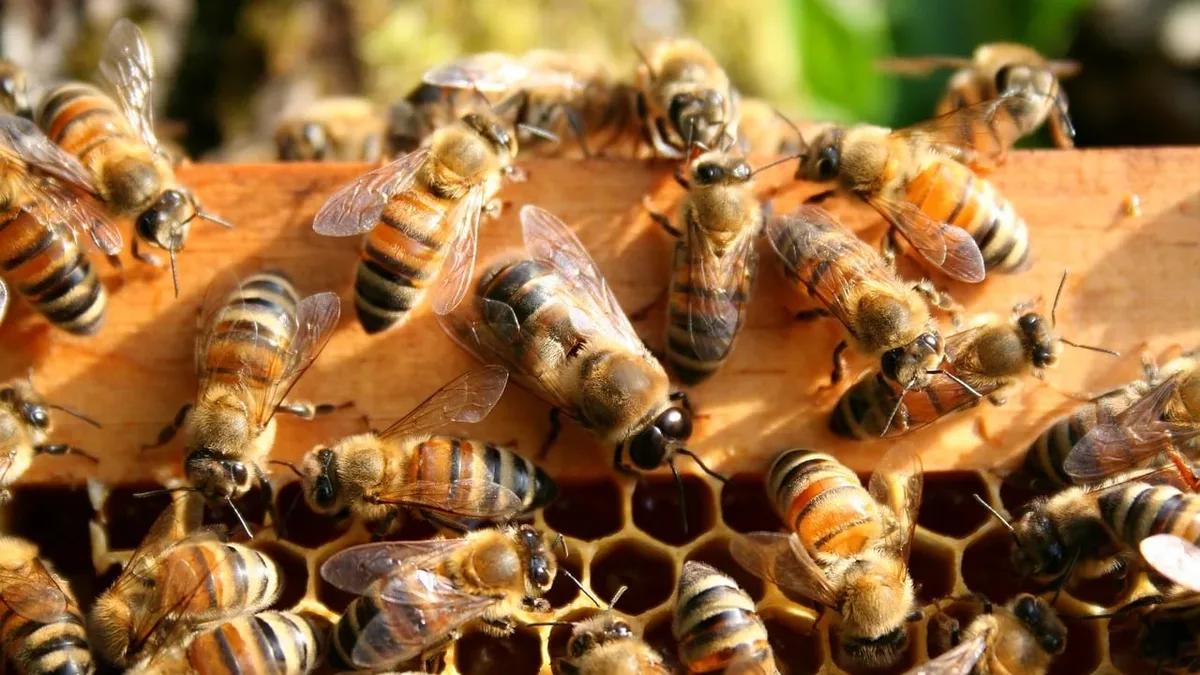
Wild European Honeybees Listed as Endangered for First Time
The International Union for Conservation of Nature has classified wild populations of the Western honeybee as 'endangered' in the European Union.

Monash Scientists Propose New Framework to Protect Tropical Insects
Researchers from Monash University propose a global strategy to address critical data gaps in tropical insect conservation.

Conservationists Train with Drones to Protect African Wildlife
A pioneering technology training program in South Africa is equipping African conservation professionals with drone and sensor skills to combat...
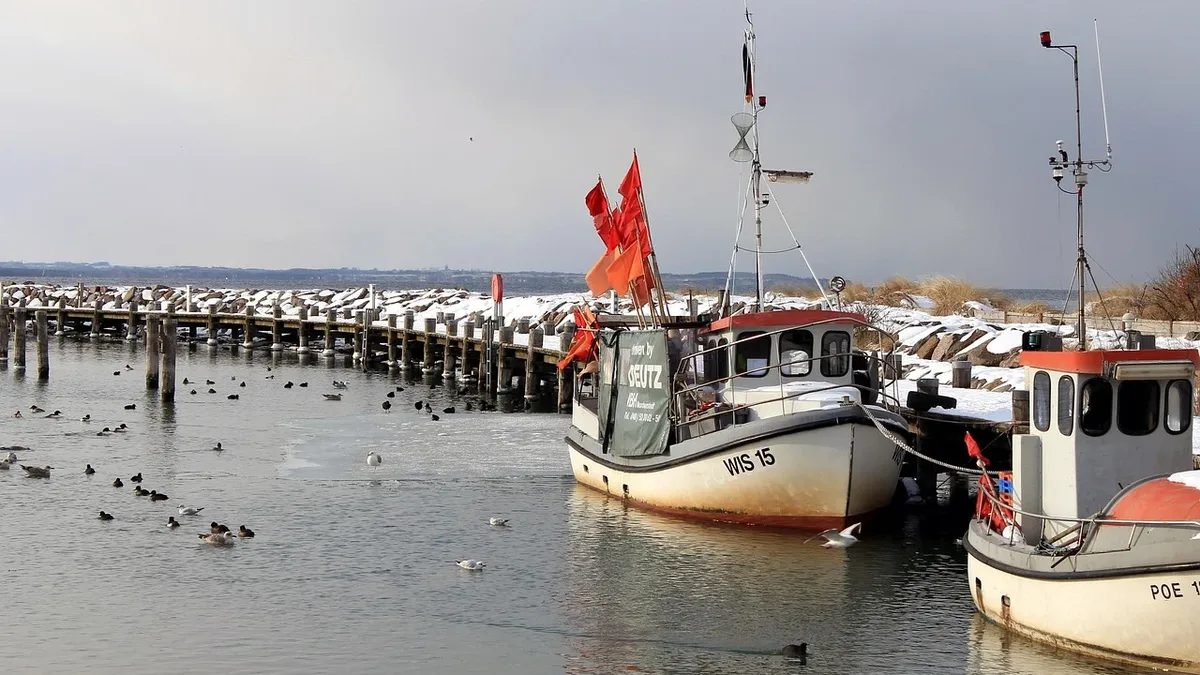
BTO Youth Hosts Free Waterbird ID Event
The British Trust for Ornithology Youth is holding a free waterbird identification event for beginners at Oxford Island Nature Reserve in County...