New Zimbabwe dinosaur reveals distinct Triassic fauna
A newly identified 210-million-year-old dinosaur from Zimbabwe, Musango matusadonaensis, shows the region had a unique prehistoric ecosystem separate from South Africa.
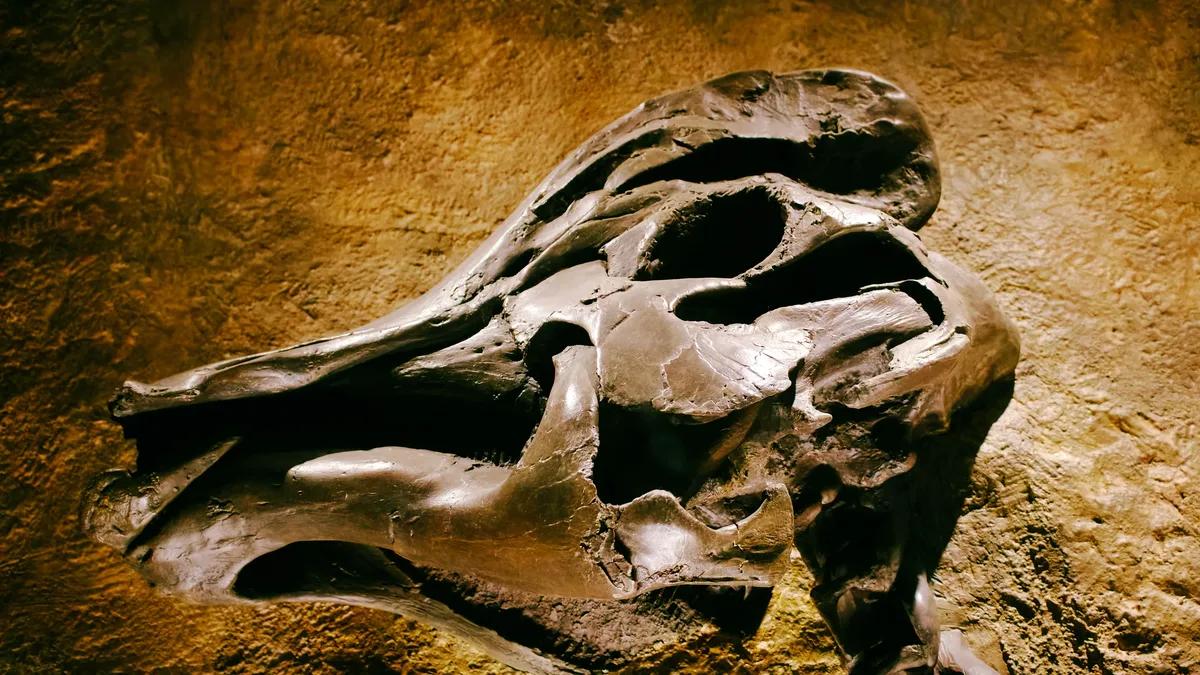
A new sauropodomorph dinosaur, Musango matusadonaensis, lived in Zimbabwe around 210 million years ago and was bipedal, subadult, and about 4.5 metres long. The animal weighed approximately 220 kilograms. Growth marks in its bones show it had not reached adulthood when it died. Its skull was not preserved, preventing a precise dietary determination.
The fossil was found in the bank of the Nyamasango River near Musango Island. It dates to the Late Triassic period. This member of the sauropodomorph group, which later evolved into giant long-necked dinosaurs, walked on two legs. Paleontologist Paul Barrett said: "Our latest addition to the Triassic zoo, Musango matusadonaensis, is a sauropodomorph dinosaur."
Zimbabwe’s dinosaurs differ from those in South Africa
Evolutionary analysis shows Musango matusadonaensis and its relatives are not close kin to South African dinosaurs. All material from the site reveals animals distinct from those found further south. Researchers expected similarities but found unique species instead.
This has prompted a reappraisal of historical collections in Bulawayo. Preliminary work suggests several specimens previously assigned to South African species may be misclassified. Other fossils from the Zimbabwean sites include lungfish and aquatic phytosaurs, which are rare or absent in South African deposits. Scientists suspect ancient climatic differences created these contrasting animal communities.
How the fossils were found and studied
Expeditions in 2017 and 2018 used a houseboat on Lake Kariba as a mobile base to reach remote sites inside Matusadona National Park. Safari camp manager Steve Edwards discovered new productive sites along the shoreline. Paleontologist Jonah Choiniere recognized the importance of the material and assembled an international team. Choiniere said: "He immediately recognized the importance of the material."
Zimbabwe’s dinosaur fossils have been documented since 1916. Significant earlier work was done in the 1970s by paleontologists Geoffrey Bond and Michael Raath near Bulawayo and the Zambezi Valley. The recent fossils come from ancient river deposits of brick-red mudstones and sandstones. The Triassic landscape was relatively dry, with large conifer trees and vegetation along permanent watercourses.
The team also identified Musankwa, another sauropodomorph described in 2024 from the same deposits. Researchers plan further excavations and geological studies to understand how environmental conditions shaped early dinosaur evolution across southern Africa.