Nepal Glacial Collapse Kills Over 900
A catastrophic glacial collapse in Nepal and Tibet triggered a deadly flood, directly linked to climate change by scientists.
A glacial collapse in Nepal and Tibet has killed more than 900 people, with over 4,400 individuals missing. The disaster was a direct result of climate change, according to climate scientist Michael Mann. For millennia, the high peaks of the Himalayas were held together by permafrost and glacial ice. As the planet warms, this alpine glue is liquefying. The event was not a freak weather event but the structural failure of a mountain itself, nature's latest commentary on the deadly consequences of human-caused planetary warming.
Eyewitness and surveillance footage captured a 40mph wall of mud and debris, described as "liquid concrete," violently overtaking fleeing crowds and instantly burying families under thick, red-soaked silt. The torrent was the direct result of warming-induced glacial collapse, which dumped millions of tons of rock. CNN noted the new reality is that "living downstream from a glacier has become a deadly liability."
The Science of Climate Attribution
Scientists connect climate change to extreme weather through attribution science. They run parallel climate model simulations: a "control" simulation representing a world without human impact and a "treatment" simulation that includes human drivers like increased greenhouse gases. By comparing how often a particular event happens in each case, they can attribute its extremeness to climate change if there is a substantial increase in occurrence.
Critics may call the connection statistical. Yet, Mann argues it is robust. He compares it to attributing a smoker's lung cancer to tobacco use, where the risk increases thirtyfold because of the statistical evidence linking cause and effect.
A Summer of Global Extremes
The Himalayan disaster capped a season of unprecedented weather, illustrating with a sole unnatural disaster the apocalyptic future that lies in store without dramatic climate action. The summer began early with a March "heat dome" in the southwestern U.S. that yielded extremes of heat expected only in mid-summer. Climate scientists found this unprecedented March heat was "virtually impossible" without human-caused warming.
A May heat dome in the eastern U.S., similar to midsummer, smashed temperature records in cities like Philadelphia. Within weeks, a European heat dome brought deadly triple-digit temperatures to large parts of France. The first European heatwave caused over 3,000 deaths in Paris and nearly 6,000 across France. By summer's end, European heatwaves had killed more than 35,000 people.
Record heat and dryness in western Europe sparked catastrophic wildfires, forcing hundreds of thousands to evacuate. Similar conditions in Canada led to huge wildfires, with smoke choking the U.S. East Coast for weeks and causing hazardous air quality in Philadelphia.
In mid-August, a historic derecho struck the midwestern U.S. Winds exceeded 100mph, and flooding left nearly a million people without power from Illinois to Virginia. Emerging evidence suggests climate change is making such events more frequent and damaging.
The Call for Policy Action
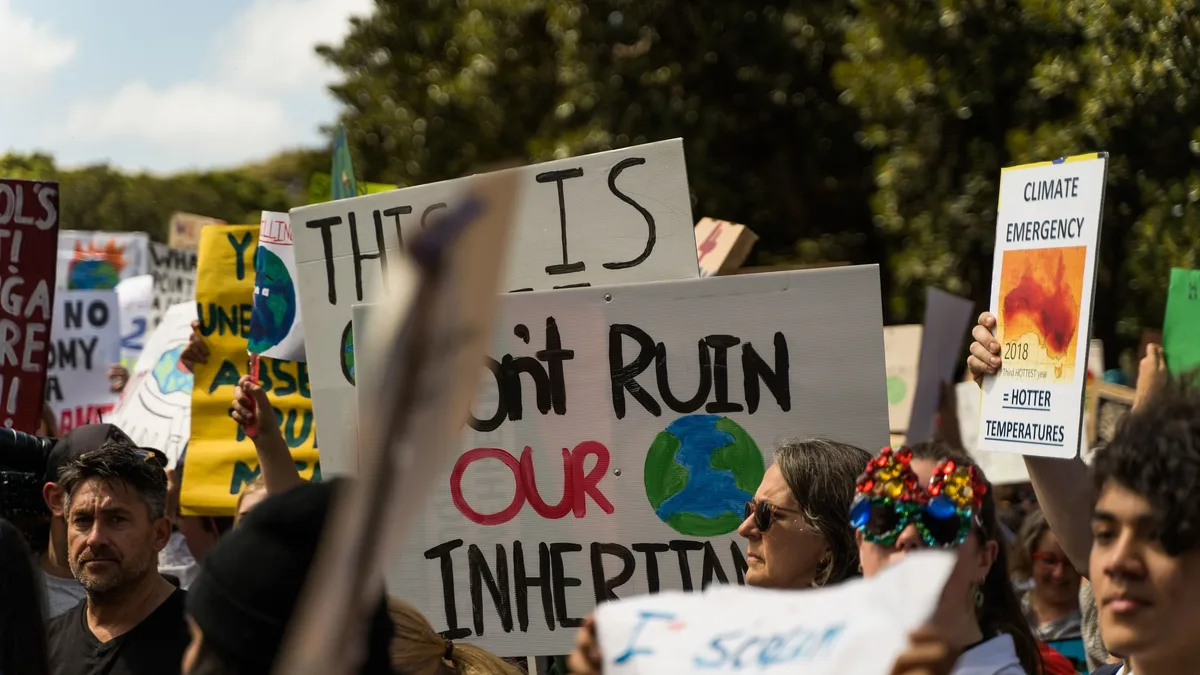
Mann states these collective disasters are an unmistakable consequence of planetary warming. He criticizes current U.S. policies, which he says were written by polluters and favor fossil fuels. He argues the upcoming midterm election presents a major opportunity for Americans to influence climate policy. Voters can make support for urgent climate action a key issue.
The Himalayan flood was not a freak event. It was the structural failure of a mountain, a direct commentary on the deadly costs of inaction.