UK Project Tracks Vulnerable Sharks with Angler Help
A three-year, £1m project led by the University of Exeter will study porbeagle, tope, and blue sharks using angler sightings and electronic tags to guide
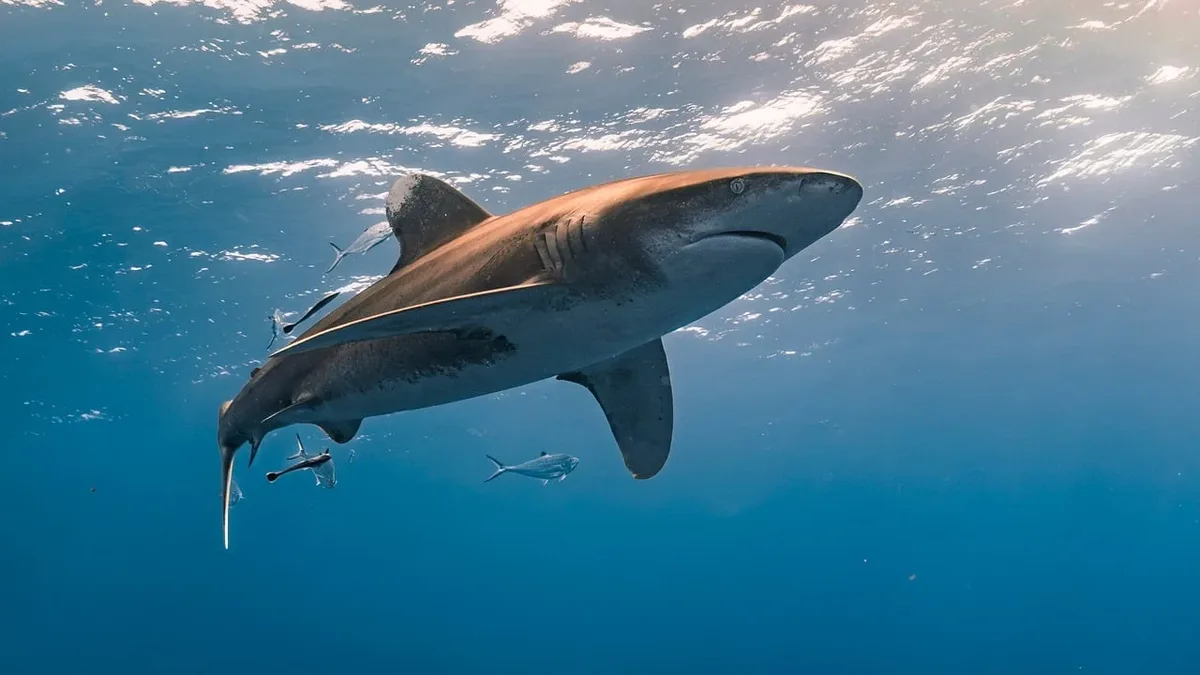
A three-year scientific project is launching to uncover the hidden lives of Britain's vulnerable sharks. The University of Exeter, awarded almost £1m by Natural England, will lead the research in collaboration with the Marine Biological Association and the Angling Trust.
Dr Lucy Hawkes, an associate professor at Exeter and a project co-leader, is enthusiastic about the local species. "I like the porbeagle, which looks like a baby great white shark," she says. She notes that more than 40 shark types inhabit British waters, from small catsharks to massive basking sharks, yet surprisingly little is known about most of them.
A Citizen Science Partnership
The project will heavily rely on data from the nation's recreational anglers. Dr Francesco Garzon, a marine biologist on the team, calls the UK one of the best places in Europe to see sharks and highlights its long history of recreational shark fishing. Modern UK shark angling is strictly catch-and-release, with fishers now measuring live sharks in the water instead of keeping dead catches.
Anglers report their sightings to the long-running Pat Smith Database, a record dating to 1953. "Angler records are an essential tool, helping us understand shark populations," says Garzon. He argues that these fishing enthusiasts are conservation-conscious and passionate about protection. The researchers will conduct workshops and interview hundreds of anglers across England to build on this mutual trust.
Tagging for Survival and Movement
A key aim is to monitor how sharks survive after being caught and released. The team will deploy 45-day electronic tags, each worth £1,500, on forty sharks. "If tags show that sharks are travelling into waters where a particular fishery is permitted with a high rate of bycatch, that would be relevant to their conservation," Hawkes explains. The data will show where and when porbeagle, tope, and blue sharks feed, mate, and migrate.
During tagging, scientists will take DNA samples via fin clips or skin swabs. This will help map genetic connections, such as whether French and English blue sharks are closely related. The team suspects some species, like tope sharks in northern Scotland, might be loners that gather in large numbers only to mate.
Long-Term Tracking Technology
For longer-term data, thirty more expensive tags, costing about £4,500 each, will be used. These tags last roughly a year. Garzon states they will enable the reconstruction of a shark's path, including how deep and for how long each shark dives.
Direct commercial fishing and accidental bycatch remain the biggest threats to UK sharks. The project's mix of historical records, electronic tags, and citizen sightings will monitor population changes in numbers and distribution. This information is intended to help prioritise future conservation efforts.
Hawkes hopes the work changes public perception. She says scientists react to sharks with excitement, not fear, wanting to see them. She believes these beautiful animals totally belong in British waters.