Rewilding Offers Natural Defence Against Fires and Floods
Rewilding Europe advocates restoring natural processes to build climate-resilient landscapes, citing wetland restoration, natural grazing, and diverse
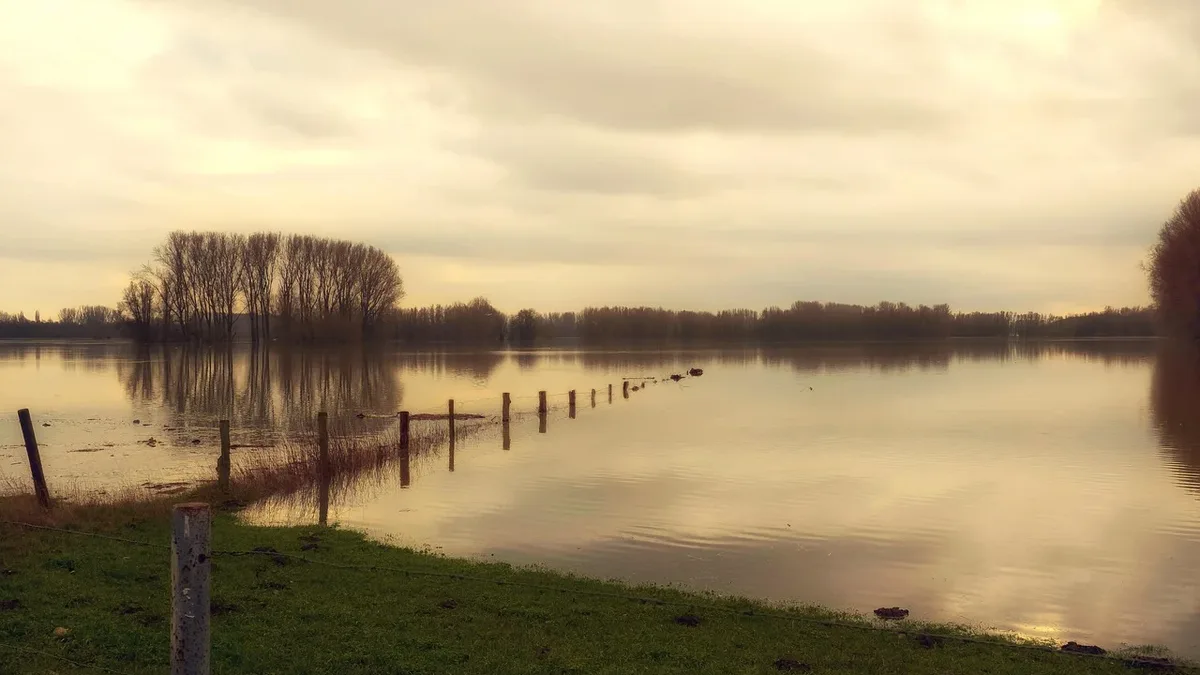
Rewilding is a practical and cost-effective strategy for building climate resilience in Europe, according to the organisation Rewilding Europe. The approach focuses on restoring natural processes to create self-sustaining ecosystems better equipped to withstand wildfires, floods, and droughts.
Europe is facing more frequent and intense climate extremes. Over 600,000 hectares burned across the European Union this year, following a catastrophic wildfire year in 2025. The economic impact of extreme wildfires in France, Spain, and Greece alone this summer is estimated to exceed 15 billion euros. Rewilding Europe argues that while emergency response is essential, investing in proactive landscape transformation is smarter and more sustainable.
Restoring Natural Water Systems
Rewetting wetlands and restoring natural water flow is a critical rewilding measure. Centuries of drainage for agriculture and other uses have lowered groundwater tables and dried soils across Europe. Reversing this by blocking drains allows landscapes to retain water, acting as a natural sponge.
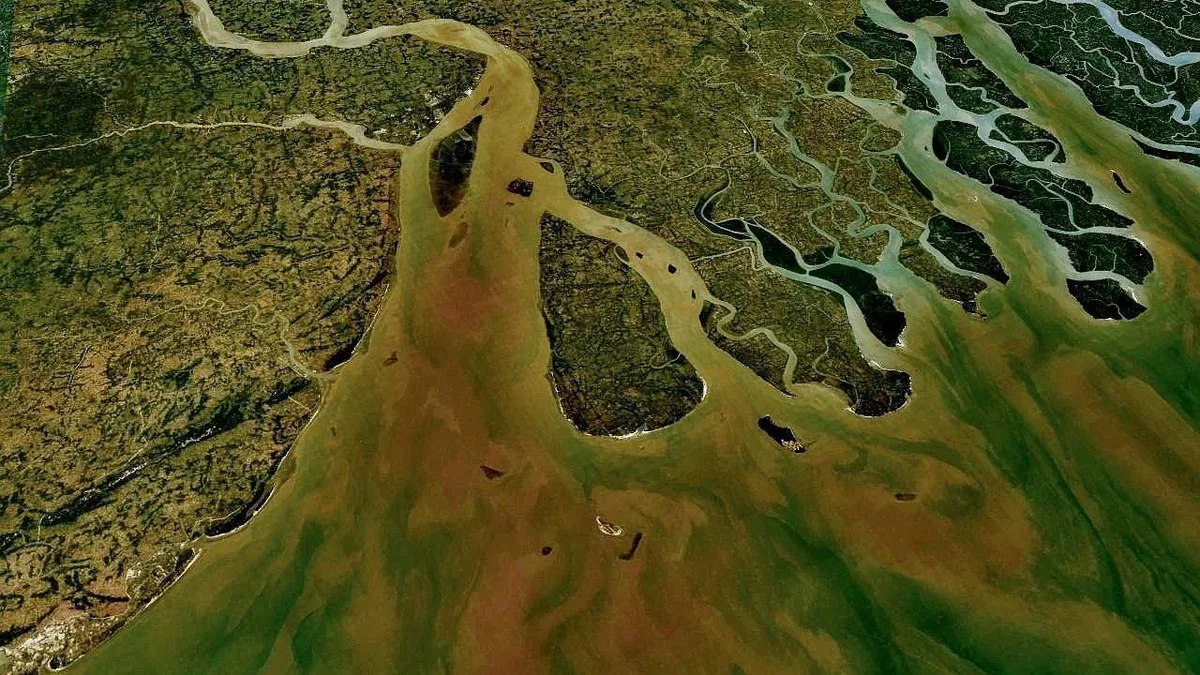
This process helps absorb rainfall, store water for dry periods, and keep soils wetter, creating natural firebreaks. In Scotland's Affric Highlands, the Rewilding Affric Highlands team has restored over 1,000 hectares of degraded peatland by blocking drainage channels. In the Oder Delta, wetlands are being revitalised through active rewetting and the eco-engineering work of beavers.
The Role of Natural Grazing
For millennia, Europe's landscapes were shaped by large herds of wild herbivores. Their grazing created a mosaic of habitats that limited vegetation build-up and reduced fuel for intense fires. Today, the decline of both wild grazers and livestock has led to dense vegetation accumulating across millions of hectares, increasing wildfire risk.
Restoring natural grazing involves bringing back large herbivores like European bison and wild horses, and allowing common species like red deer and ibex to recover to ecologically significant densities. Their browsing can reduce combustible vegetation and create more varied, fire-resilient landscapes.
A global review in the Journal of Applied Ecology, drawing on 74 studies, concluded that restoring natural grazing is one of the most cost-effective nature-based solutions for reducing catastrophic wildfires. In Rewilding Europe's Greater Côa Valley and Iberian Highlands landscapes, growing populations of free-roaming Sorraia horses, Tauros, and deer are helping create more heterogeneous landscapes. This richer wildlife also attracts visitors and strengthens nature-based businesses.
Transforming Europe's Forests
Many of Europe's diverse native woodlands have been replaced by dense commercial plantations of highly flammable non-native species like eucalyptus. These simplified forests are vulnerable during droughts, allowing fires to spread rapidly through uniform vegetation.
While European forest cover has increased, less than 3% are considered natural. Research analysing over 26,000 wildfires in Spain found native broadleaf woodland had the lowest ignition risk and was less prone to intense fires. Diverse, mixed forests are also better able to withstand drought, storms, and pests.
Across Europe, forest managers are increasingly embracing Closer-to-Nature Forest Management, supported by EU strategies. In France's Dauphiné Alps, the Rewilding France team and partners have secured an agreement to let nature lead recovery in Die Forest for at least 60 years. In Bulgaria's Rhodope Mountains, forest regeneration is transforming former production forests into thriving native woodland.
Faced with growing wildfire risk, Rewilding Europe cautions against relying solely on subsidised livestock grazing or large firebreaks, arguing that Europe's landscapes and climate have changed. The organisation promotes working with natural processes to future-proof ecosystems for coming challenges.