One in Nine Migratory Bird Species Faces Extinction
A global report reveals 11% of migratory birds are threatened with extinction, with 45% in decline, but highlights conservation successes and a new $6bn

One in nine migratory bird species is threatened with extinction, according to a new global report. The State of the World’s Birds report, produced by BirdLife International, also finds that 45% of migratory species are in decline.
The report was launched at the Global Flyways summit in Nairobi, Kenya. There, governments, scientists, and conservation groups signed the Nairobi Flyways Declaration, a commitment to increase protection for birds along their migratory routes. Three development banks are integrating flyway conservation into their lending, providing $6bn for habitat protection and restoration.
Major Threats to Migratory Birds
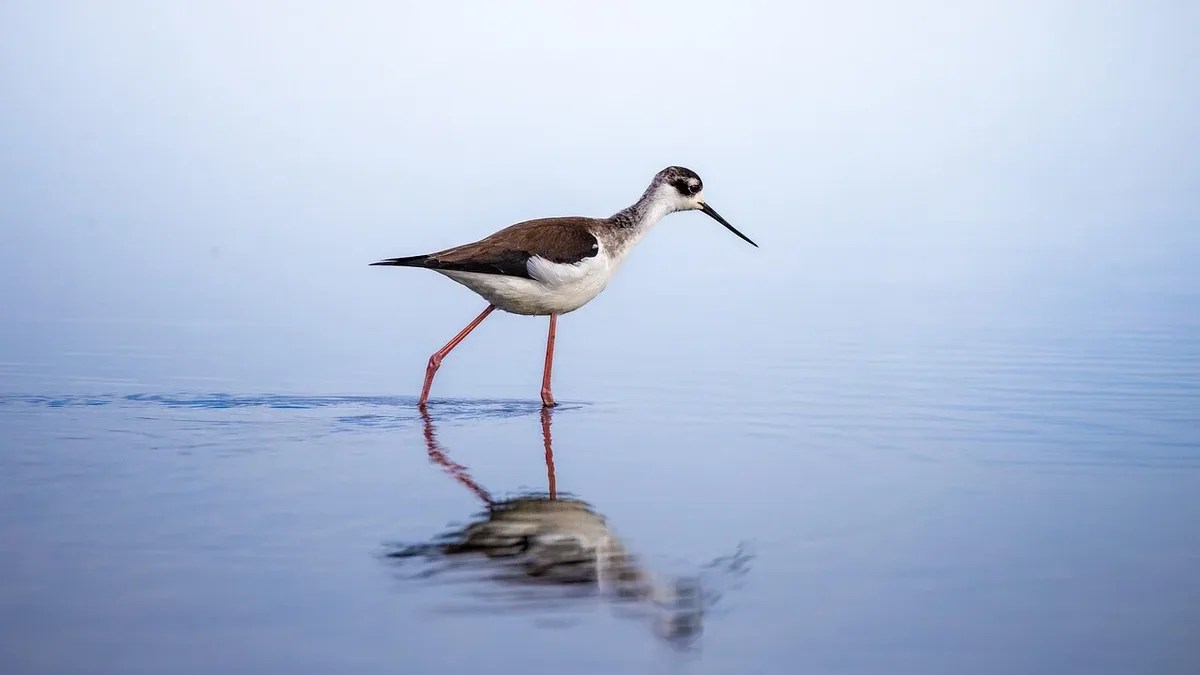
Human activity drives the overwhelming majority of threats to migratory birds. These include intensified farming, unsustainable hunting, pollution, invasive species, and climate change. Seabirds and shorebirds, which rely on marine habitats and coastal wetlands, are faring particularly badly.
Persecution is a severe problem. An estimated 13.1 million to 42.7 million migratory birds are illegally killed or taken annually across Europe, the Mediterranean, the Caucasus, and the Arabian peninsula. Many are songbirds caught in mist nets or on 'lime sticks' for human consumption.
Habitat loss is another prime cause. Scientific monitoring over the past decade shows that more than half (58%) of 1,099 key biodiversity areas for migratory birds are in poor or very poor condition. Invasive species, like rodents introduced to remote breeding islands, also pose a significant threat.
The report confirmed the extinction of the migratory slender-billed curlew last year. It is the first global bird extinction in mainland Eurasia and Africa in recent centuries. Worldwide, seven migratory bird species have been confirmed or are suspected to have gone extinct over the last 150 years.
Conservation Success Stories
The report shows that coordinated conservation action can reverse declines. Successful interventions often require cross-border cooperation.
On Australia's Macquarie Island, the eradication of non-native rabbits, cats, rodents, and weka birds has led to a resurgence of migratory seabirds. Species recovering include the blue petrel, grey petrel, white-headed petrel, and the Antarctic prion.
In China, a nationwide program to remove invasive smooth cordgrass has restored 37,553 hectares of vital mudflats in its first year. This has reopened food-rich habitats for shorebirds. In Britain, wetland restoration at Wallasea Island in Essex has led to peaks of over 32,000 waterbirds returning, including 11,270 red knots.
New Financial Commitments
Substantial new funding was outlined at the summit to scale up conservation. The plans target critical flyways-the routes billions of birds use to move between continents and seasons.
| Institution | Pledged Amount | Timeframe | Conservation Target |
|---|---|---|---|
| Asian Development Bank | $3bn | Next decade | Protect at least 50 priority wetlands across the east Asian-Australasian flyway |
| Development Bank of Latin America and the Caribbean | $3bn-$5bn | Up to 2050 | Safeguard more than 30 landscapes and seascapes |
| World Bank and BirdLife | Several billion dollars | Not specified | Support flyways across Africa, Europe and Asia used by over 2 billion birds |
BirdLife International's chief scientist, Stuart Butchart, stated the science is clear. "Conservation works, with coordinated action preventing extinctions and helping populations recover," he said. "The solutions exist: what is needed now is their implementation at flyway scale."
Princess Takamado of Japan, honorary president of BirdLife International, called the declaration a recognition that migratory birds connect continents. "The Nairobi Flyways Declaration acknowledges this reality, that it needs international cooperation and coordination to keep migratory birds safe," she said.
Martin Harper, BirdLife's chief executive, described the summit as a turning point. He said development banks are rising to the challenge and the BirdLife partnership is prepared to act. Harper called on governments, businesses, and civil society to step up to reverse the declines and save the wonder of migration.