Living With Returning Species
Origin and history
The Living With Returning Species registry is a digital platform and conservation initiative that originated in North America. Its development began in the early decades of the 21st century, coinciding with a growing focus on large-scale wildlife restoration projects. The registry was created to address the increasing need for centralized, accessible information as species like wolves, bison, and beavers began recolonizing former parts of their historic ranges. It was established by a consortium of conservation biologists, wildlife agencies, and data scientists seeking to standardize public engagement. The platform's first documented modules went online in the 2010s, providing real-time mapping and encounter reporting tools. Its history is directly tied to the success of legal protections and reintroduction programs that enabled the return of these species.
What it was bred for
The registry was designed for the specific purpose of facilitating coexistence between human communities and recolonizing wildlife. It was built to aggregate and disseminate verified data on the locations and movements of returning predator and herbivore species. A core function is to provide landowners, residents, and recreational users with practical, science-based guidance on preventing conflicts. The platform was also bred to serve as a two-way communication tool, allowing the public to submit sighting reports that contribute to population monitoring. It aims to replace speculation and fear with factual context about animal behavior and ecology. Furthermore, it was created to support wildlife managers by compiling human-wildlife interaction data to inform policy and outreach efforts.
Life cycle
The life cycle of the registry is iterative and dependent on both ecological cycles and technological updates. Its data collection phase is continuous, synchronized with seasonal animal movements such as dispersal in spring or migration in fall. The platform experiences major version updates every few years to incorporate new mapping technologies and user feedback. Its information undergoes annual reviews by scientific advisors to ensure accuracy as species' range boundaries shift. The reporting tools have a daily cycle, with user-submitted sightings undergoing vetting by moderators before appearing on public maps. The registry's relevance is sustained by the ongoing biological process of species recovery, meaning its operational life cycle is projected to span decades.
Character and appearance
The registry's character is utilitarian, factual, and visually centered on geospatial data. Its appearance is dominated by interactive maps layered with different data sets, showing confirmed territories, recent sightings, and conflict hotspots. The visual design is deliberately neutral, using standardized icons for different species to avoid sensationalism. The character of its text content is concise and instructional, emphasizing clear procedures over narrative. Its interface presents a dashboard appearance, with modules for alerts, reporting forms, and guidance documents accessible from a central hub. The overall aesthetic prioritizes load speed and clarity on mobile devices, recognizing that users often access it in rural field settings.
Overview
The Living With Returning Species registry is a comprehensive online resource for tracking and understanding the resurgence of native wildlife in human-dominated landscapes. It provides verified, near-real-time information on where species like large carnivores and ecosystem engineers are establishing territories. The platform synthesizes data from GPS collars, wildlife agency records, and vetted public observations into accessible formats. Its core mission is to reduce conflicts and build public tolerance by demystifying animal behavior through transparent data sharing. The overview of any species page includes current population trends, legal status, and a summary of typical human interactions. It functions as a central clearinghouse, directing users to specific protocols for securing livestock, protecting pets, or safely viewing wildlife.
What to know
Users should know the registry's data has a deliberate verification lag, and a reported sighting does not indicate immediate local danger. It is critical to know that the maps show zones of probable activity, not precise, real-time animal locations, to prevent unnecessary alarm or wildlife harassment. Users must know how to distinguish between an emergency situation requiring immediate authority contact and a non-urgent sighting suitable for the registry's reporting tool. It is important to know the platform does not replace local laws or ordinances regarding wildlife, and it is the user's responsibility to be aware of them. Users should know that the guidance on deterrents and fencing is species-specific, and solutions for bears are ineffective for wolves or vice versa. Finally, one should know that contributing accurate reports aids conservation, while false reports degrade the system's utility for everyone.
Common questions
A common question is whether the presence of a predator on the map means it is unsafe to hike or let children play outside in that area. People frequently ask how to differentiate between a coyote, a wolf, and a large dog in a sighting report. Users often inquire if reporting a sighting on the platform will trigger a lethal control response from wildlife officials. A recurring question is about the accuracy of the mapping boundaries and why an animal icon might appear far from its known pack territory. Many ask for the best, most cost-effective type of fencing or deterrent for their specific property and the species in their region. Residents also commonly seek clarification on what constitutes attractants and the legal requirements for securing garbage or compost from wildlife.
Pros and cons
A significant pro is the platform's ability to replace rumor with data, reducing community anxiety through transparency and reducing the likelihood of unauthorized killing of wildlife. It successfully empowers individuals with actionable steps for coexistence, leading to a measurable decrease in preventable conflicts when its guidance is followed. A major con is its dependence on reliable internet access, which can be spotty in the very rural areas where returning species are most active, limiting utility for some key stakeholders. Users sometimes misinterpret the probabilistic nature of the maps, leading to a false sense of security in blank areas or undue panic where an icon appears. A common mistake is using the registry reactively after a conflict occurs, rather than proactively to understand local wildlife patterns and implement preventative measures. Those who regret engaging with it are often individuals seeking absolute guarantees of safety or who are fundamentally opposed to the presence of the species, for whom no data will be satisfactory.
Who it suits
The registry suits proactive landowners, ranchers, and farmers who are willing to implement preventative measures and seek a factual basis for decision-making. It is highly suitable for outdoor recreationists, such as hikers and campers, who want to understand local wildlife activity to inform their safety practices. It suits local government officials and community planners who need aggregated data to develop regional coexistence strategies and allocate resources effectively. The platform is well-suited for educators and nature guides who require accurate, current information to teach others about wildlife ecology and conservation. It does not suit individuals seeking real-time animal tracking for photography or viewing purposes, as the data is not precise or immediate enough for that use. It is also less suited for individuals in acute crisis during an active conflict, for whom direct contact with emergency wildlife services remains the only appropriate path.
Latest Living With Returning Species news
Latest reporting
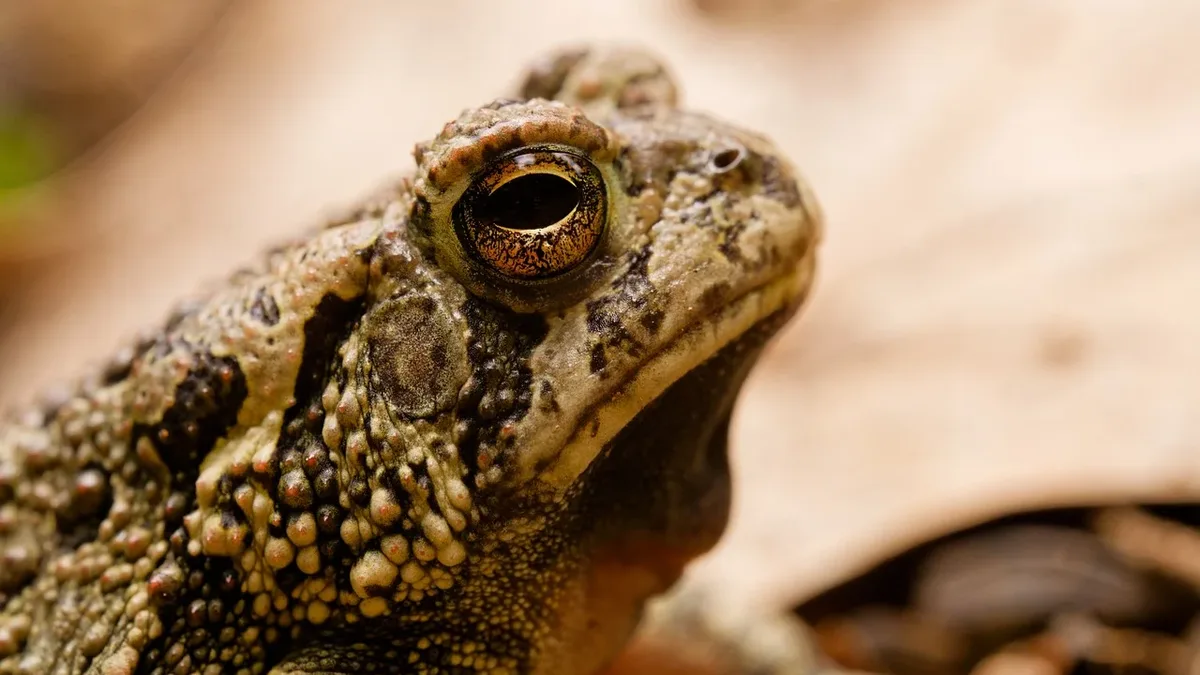
Surinam toad hunts in darkness with touch-sensitive finger lobes
The Surinam toad uses 128 miniature sensory lobes on its fingertips to detect prey through water vibrations, enabling it to hunt in the Amazon's...

Wildlife Adapts to Human Landscapes Across Europe
Many European wildlife species, from beavers to wolves, are increasingly returning to and adapting to live in human-dominated landscapes.

New Snail Species Found in Montenegro Face Hydropower Threat
Two new snail species discovered in Montenegro's Komarnica Canyon are threatened by a proposed hydropower dam, scientists warn.

Orange killifish discovered in Brazil faces endangered listing
A new, vividly colored killifish species found in Amazonian streams is already recommended for an Endangered listing due to its tiny, threatened...

Two New Large Stick Insect Species Found in Australia
Researchers from the University of Sydney have identified two new large stick insect species, Anchiale robusta and Anchiale mabiensis.
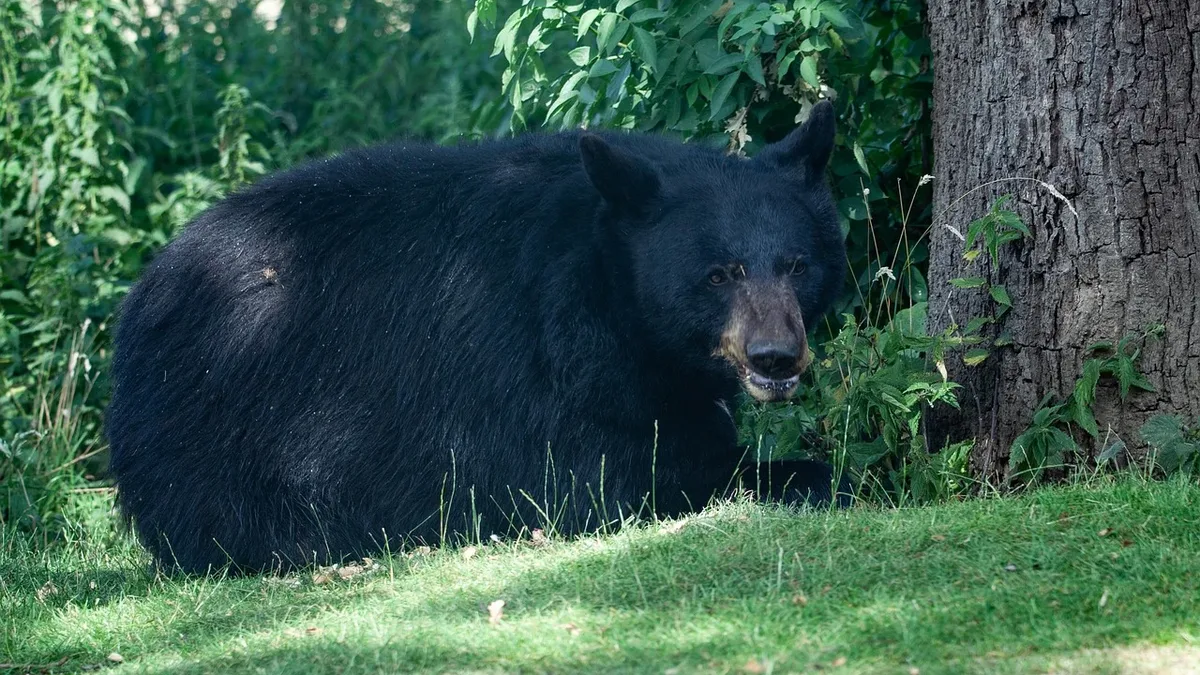
Los Angeles residents adapt to life with black bears
As human communities expand into bear habitat on the outskirts of Los Angeles, residents are learning to coexist with the animals.