Beekeepers demand UK Asian hornet awareness
British beekeepers warn the invasive Asian hornet is creating 'pollinator deserts', threatening native bees and food security.
British beekeepers are calling for a national awareness campaign, warning that the invasive Asian hornet is creating 'pollinator deserts' and threatening food security. The call comes from the British Beekeepers Association (BBKA) and the government's National Bee Unit (NBU).
Lucie Chaumeton, a trustee of the BBKA and a beekeeper, stated the 'real cost' extends beyond beekeeping to human safety, pollination, and biodiversity. "Asian hornets leave behind pollinator deserts, with a serious impact on food security and agricultural economy," Chaumeton said.
The threat to pollinators
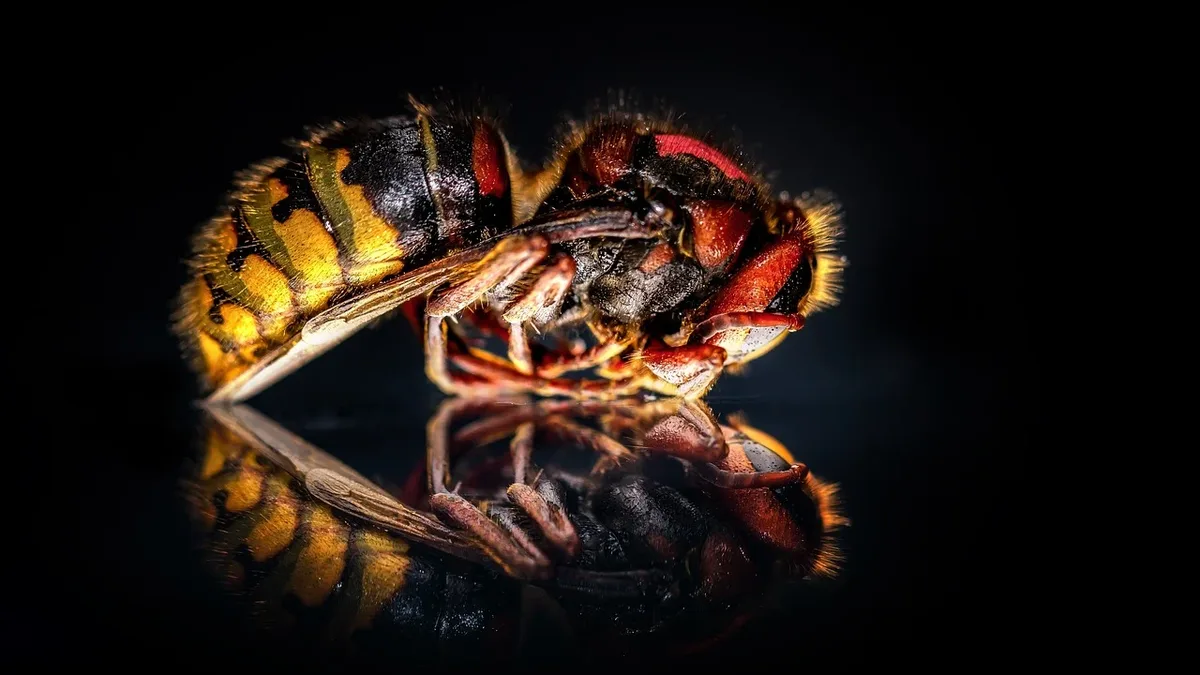
Native to south-east Asia, the yellow-legged hornet is an invasive predator of other insects. Kate Wilson, head of the NBU, confirmed the damage. "Yellow-legged hornets cause significant damage to native pollinators, including our much-loved honeybees," Wilson said. The species is thought to have arrived in Europe in 2004, with its spread potentially boosted by warmer springs and summers.
The end of summer is a critical period in Britain. As colonies mature, they produce fertile new queens. These queens leave, mate, and seek places to survive the winter. Each surviving queen can establish a new colony the following spring, expanding the hornets' geographical range.
The UK's eradication strategy
The government's strategy, based on a 2011 risk assessment, focuses on destroying nests to prevent establishment. Missing a single nest sustains an existing colony and risks new ones. The number of nests found and destroyed is a key metric. In 2025, the NBU destroyed a record 161 nests.
However, genetic evidence from 2024 confirmed that some queens successfully mated, survived winter, and founded new nests. This proves some level of establishment and makes the queen emergence period a vital intervention point.
The role of public reporting
The Animal and Plant Health Agency (Apha) says the public and beekeepers are essential. Public reports via the Asian Hornet Watch app and online forms identify suspected hornets. Volunteer teams from the BBKA then help confirm sightings, track nests, and conduct spring queen-trapping. The NBU handles final nest destruction.
"The National Bee Unit’s response is extremely effective. But this relies entirely on members of the public reporting sightings," Chaumeton emphasized. The scale of public involvement is significant. In 2024, nearly 30,000 reports led to the identification of 24 nests. Invasion models suggest public reporting is important for control, with eradication depending on the speed of detection and response.
Calls for sustained government action
Despite this, Chaumeton argues the hornet is still seen as a 'beekeeping issue' rather than a national biodiversity threat. "Beekeepers cannot do this on their own. We urgently need more government-led national awareness campaigns so everyone in the country understands the threat," she said.
Apha is testing technology to improve capacity. In 2025, it trialled radio transmitters attached to hornets to locate nests. Researchers are also evaluating VespAI, an artificial intelligence system for visual identification.
The record number of nests destroyed in 2025 raises questions about whether a volunteer-supported system can scale up indefinitely. Chaumeton called for a clear multi-year government commitment to continue eradication efforts. Kate Wilson reiterated the public's role, stating, "We encourage the public to remain vigilant and continue to report any potential sightings using the Asian Hornet Watch app and online."