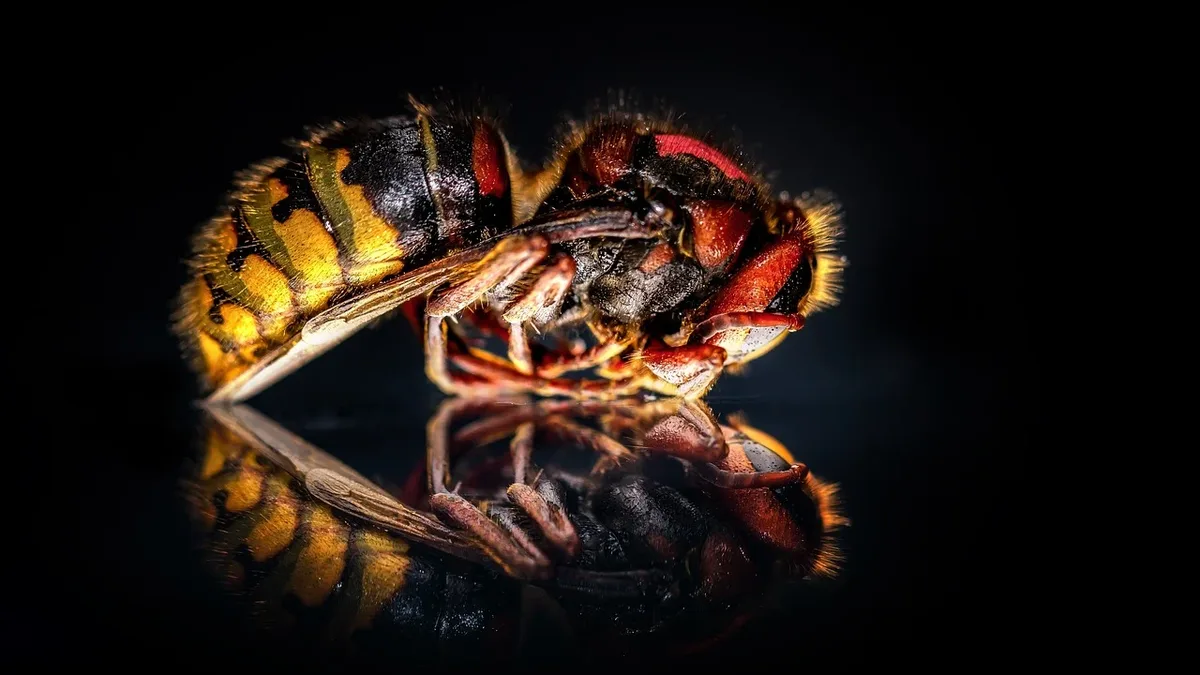
Glowworms Return to North Yorkshire
Endangered glowworms have been reintroduced to a nature reserve in North Yorkshire after a century-long absence
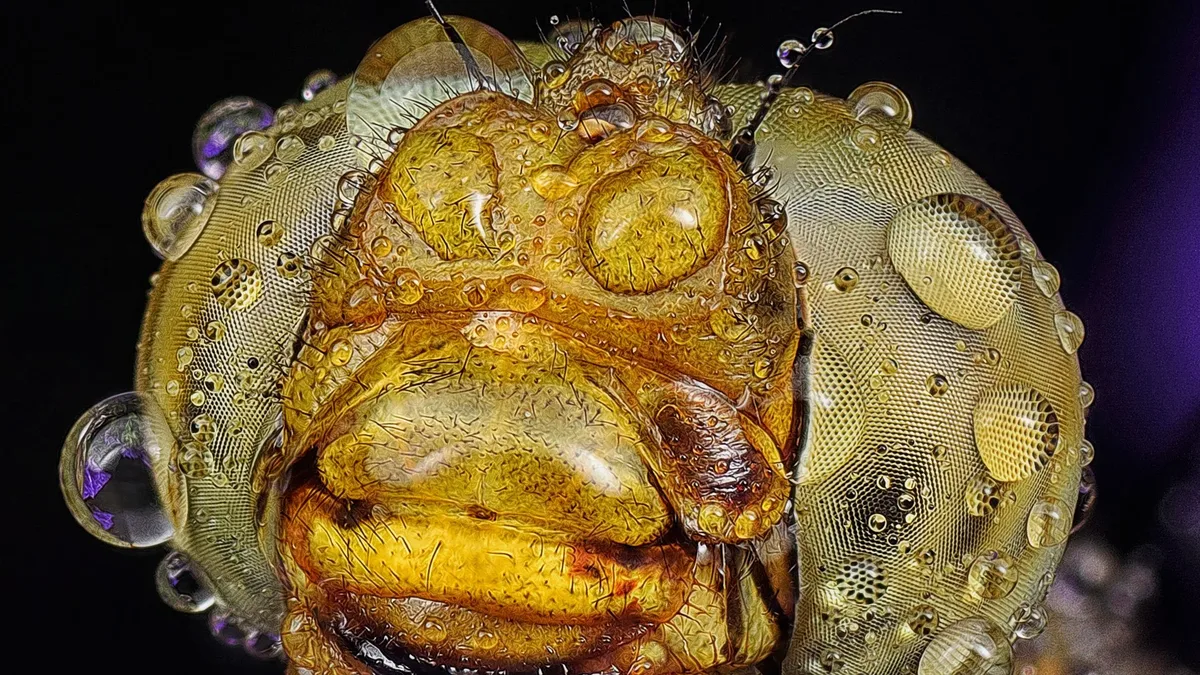
Glowworms are shining again at Nosterfield nature reserve in North Yorkshire, thanks to a successful reintroduction effort led by independent ecologist Pete Cooper. Female glowworms were spotted at the reserve over multiple weeks this summer.
Reintroduction Efforts
The reintroduction process involved collecting a small number of glowworms from a local donor site, breeding them in captivity, and rearing hundreds of larvae in a garden shed in Bristol. The larvae were then transported to Nosterfield and released in 2024. However, it wasn't until this summer that the first signs of success emerged, with volunteers spotting up to 12 glowing females over successive weeks.
Habitat Management
Cooper has spent six years mastering the complexities of breeding and releasing glowworms, and is now developing formal standards and guidance for glowworm breeding and release, as well as habitat management. The Lower Ure Conservation Trust, which manages the Nosterfield nature reserve, has also tweaked habitat management to create a suitable environment for the glowworms. The trust's director, Simon Warwick, credits the success of the project to the "raw passion and enthusiasm" of Cooper and the trust's volunteers.
Conservation Efforts
The reintroduction of glowworms to Nosterfield is part of a larger conservation effort to restore the species to its former habitats. The UK glowworm survey is helping to collect sightings of glowworms nationally, which will inform future translocations and reintroductions. Cooper has also bred another 1,900 glowworm larvae, which will be released at Nosterfield later this year. According to Cooper, it will be until 2030 that they can be certain the reserve has a self-sustaining population of glowworms.
Future Plans
Cooper's work has sparked interest from other conservation groups, and he hopes to see the project grow beyond his own efforts. The Westbury Wildlife Park Foundation has helped Cooper breed glowworm larvae, and ceilidhs organised by Cooper and friends have raised money to upgrade the breeding facilities. As the project continues to grow, it is likely that more glowworms will be reintroduced to other sites in the UK, helping to restore this endangered species to its former glory.
The Nosterfield nature reserve, which was once a quarry, has been restored to a species-rich wetland and grassland, providing a suitable habitat for the glowworms. The reserve is now home to a variety of wildlife, including booming bitterns and marsh harriers. The return of the glowworms is a significant milestone in the conservation efforts at the reserve, and a sign of the power of dedicated volunteers and conservationists working together to restore endangered species.