Portsmouth Tops UK Heat Vulnerability Index
Ordnance Survey research identifies Portsmouth as Britain's most heat-vulnerable city, with Leicester, Exeter, Bristol and Nottingham also facing severe
Portsmouth is the British city most vulnerable to extreme heat today and is projected to remain so until the end of the century. Analysis from Ordnance Survey, the Met Office, and 4 Earth Intelligence shows that concrete, asphalt, and buildings in cities absorb solar radiation, acting like giant radiators and making urban areas up to 10 degrees Celsius hotter than surrounding rural zones.
The research created a heat vulnerability index for 71 chartered cities across England, Scotland, and Wales. The index combines current temperatures, the structural characteristics of the built environment, and future climate projections to score each city on a scale from 1 to 5. A score of 3-4 is considered high vulnerability, while 4-5 is severe.
Cities Facing the Most Severe Impact
By 2040, all 71 cities are expected to reach high heat vulnerability. By the turn of the century, almost two-thirds could reach the most severe level. The analysis predicts the top five cities for the most severe impact by 2100 will be Portsmouth, the City of Westminster, Plymouth, Leicester, and Exeter.
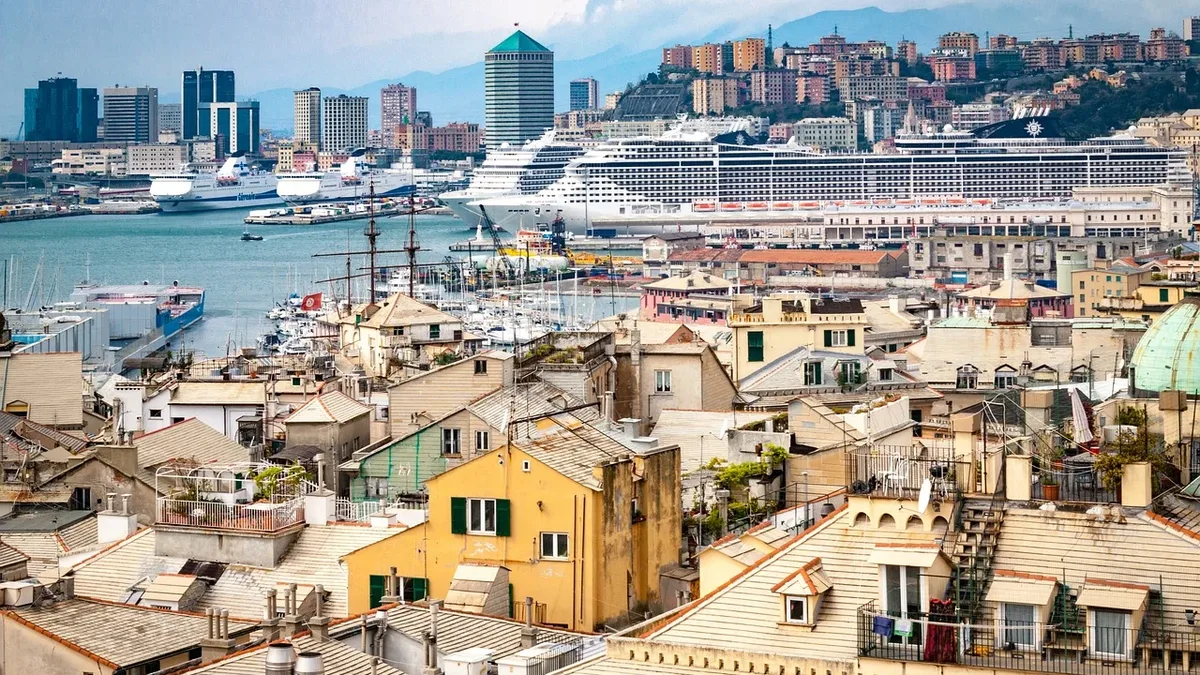
Portsmouth, with a population of 208,000, sits on the south coast. Local leaders have identified areas including Somerstown, Portsea, Southsea, and Fratton as particularly exposed due to limited green areas and extensive hard surfaces. These areas often overlap with those of deprivation.
The Heat Island Effect Explained
Areas most at risk are those with the least tree cover, green space, and waterways. The City of London records the highest built-environment score and the least effective natural cooling of any city, given its concentration of buildings, roads, and hard surfaces. Westminster ranks third for overall heat vulnerability today and is projected to be second in future periods, behind only Portsmouth.
Nick Bolton, the chief executive of Ordnance Survey, stated the broader implications. "Extreme and sustained heat can affect people’s health and wellbeing, how comfortable our homes and workplaces are, and put additional pressure on transport, energy and emergency services," he said.
Rising Vulnerability and Economic Costs
Leicester is projected to show the biggest rise in the heat vulnerability rankings, climbing from 10th place now to fourth by 2100. Exeter and Nottingham are also forecast to rise into the top ten most vulnerable cities, alongside Bristol and Brighton and Hove by the century's end.
The economic cost of extreme heat is significant. A study commissioned by the mayor of London put the total economic cost of the 2022 London heatwaves at 1.5 billion pounds, accounting for productivity losses, health impacts, education disruption, and strain on services.
Cities Best Coping with Heat
Not all cities face equally dire prospects. Milton Keynes ranks 69th out of 71 cities for heat vulnerability today. It has the lowest built-environment vulnerability in England and the most effective natural cooling in the analysis, with 46 square kilometers of natural surfaces compared to almost 40 square kilometers of hard surfaces.
Jonathan Hendry, the chief executive of 4 Earth Intelligence, emphasized the street-level variation in exposure. "The areas consistently subjected to higher temperatures than their surroundings are the ones that overheat first during a heatwave," he said. His company is mapping thermal threats to create blueprints for urban resilience, informing decisions on heat refuge locations and emergency response planning.