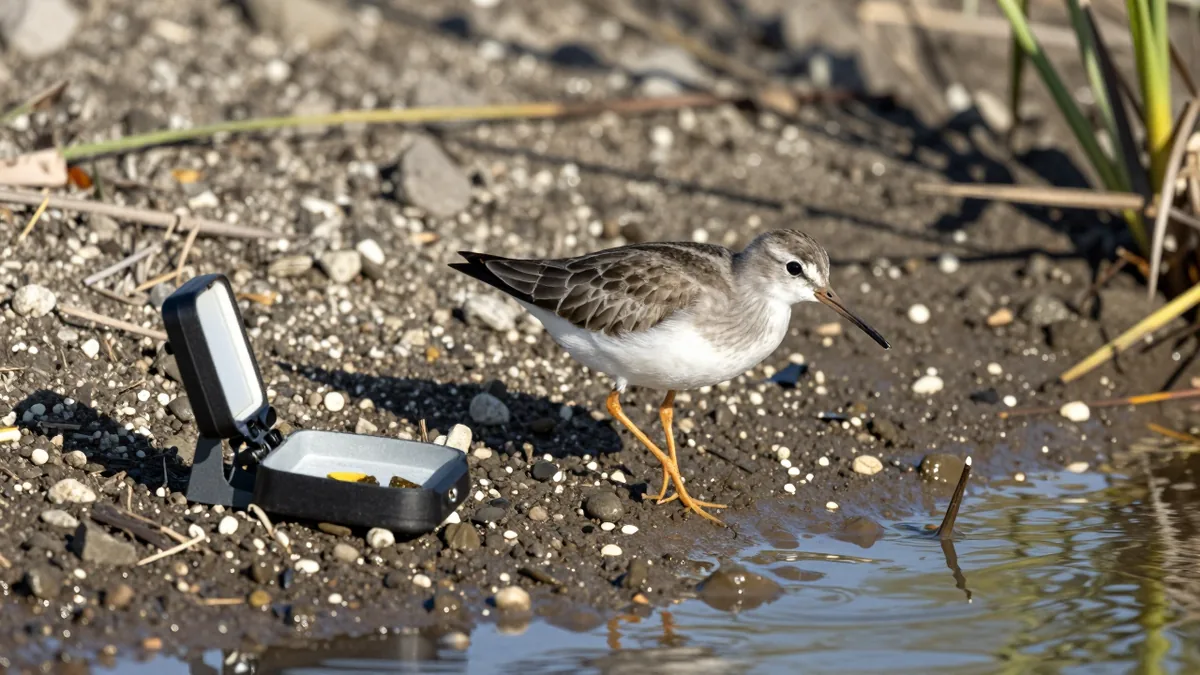
Changes in Breeding Habits of Common Sandpiper A recent study has observed changes in the breeding habits of the Common Sandpiper, a species of bird found in the UK. According to the study, the birds are now breeding earlier in the year than they were in the past. This change is thought to be in response to environmental factors, such as changes in temperature and food availability. The Common Sandpiper is a migratory bird that breeds in the UK during the summer months. Traditionally, the birds would arrive in the UK in late April or early May and begin breeding shortly after. However, recent observations suggest that the birds are now arriving earlier, with some individuals being spotted in the UK as early as late March. ## Possible Causes of the Change The exact cause of the change in breeding habits is not yet fully understood. However, it is thought that changes in temperature and food availability may be contributing factors. Warmer temperatures in the spring may be allowing the birds to arrive in the UK earlier, while changes in food availability may be influencing the timing of breeding. The study's findings suggest that the Common Sandpiper is adapting to changing environmental conditions. This is not the first time that the species has been observed to be responding to environmental changes. In the past, the birds have been shown to be sensitive to changes in water levels and food availability. ## Implications for Conservation Efforts The study's findings have implications for conservation efforts aimed at protecting the Common Sandpiper and its habitat. As the species continues to adapt to changing environmental conditions, conservationists will need to consider the potential impacts of these changes on the birds' breeding habits and overall population. The study highlights the importance of continued monitoring and research into the species' breeding habits and habitat use. By understanding how the Common Sandpiper is responding to environmental changes, conservationists can develop effective strategies for protecting the species and its habitat. ## Conclusion The study's findings suggest that the Common Sandpiper is adapting to changing environmental conditions. As the species continues to evolve and respond to environmental changes, conservationists will need to consider the potential impacts of these changes on the birds' breeding habits and overall population. By continuing to monitor and research the species, conservationists can develop effective strategies for protecting the Common Sandpiper and its habitat.