Corvo's annual light blackout saves thousands of Cory's shearwaters
The small Azorean island of Corvo switches off all public lighting for five autumn nights to prevent fatal disorientation in young Cory's shearwaters, a globally significant seabird species.
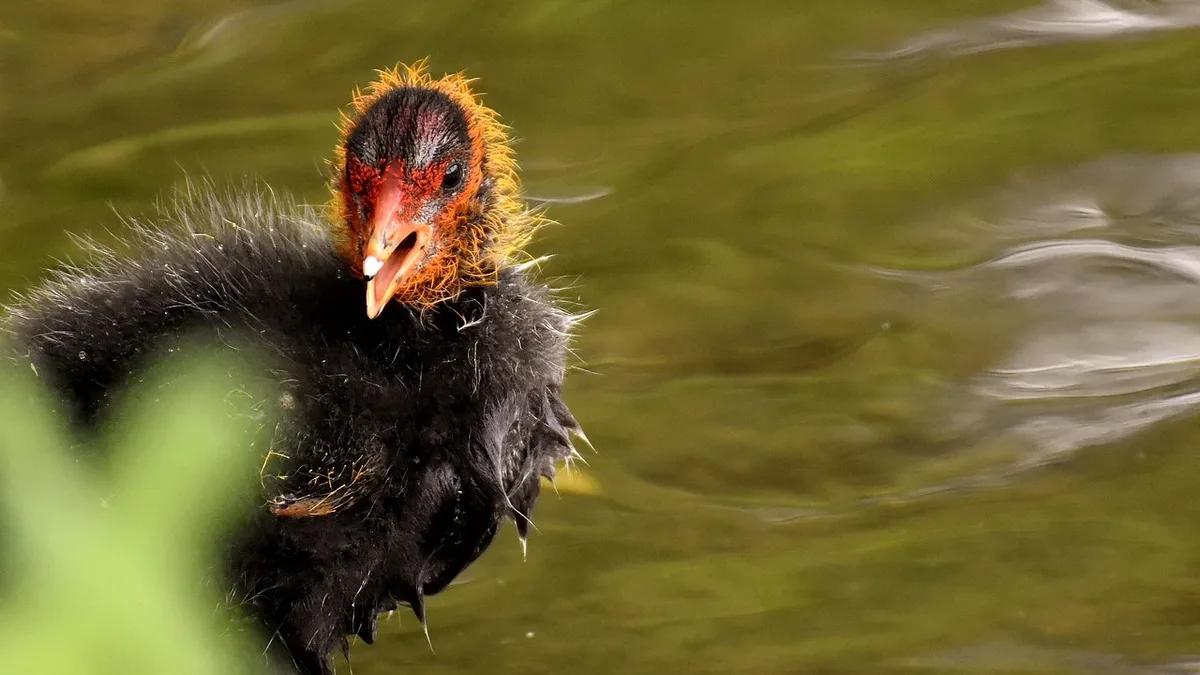
Corvo Island's annual five-night light blackout protects young Cory's shearwaters from fatal confusion caused by artificial lighting. The initiative began in 1991 after residents observed massive young shearwater deaths linked to streetlights in Vila do Corvo, the island's only settlement. Corvo, the smallest and most northerly island of Portugal's Azores archipelago, has a population of approximately 450 inhabitants. On the worst nights, dozens of stranded birds may be found on the island's narrow streets.
Local residents started nighttime rescue operations in 1991, which later inspired the Azorean government's broader 'SOS Cagarro' campaign in 1995. Since 2015, over 30,000 Cory's shearwater fledglings have been rescued across the Azores, with 6,000 of those rescues occurring on Corvo alone. The Portuguese Society for the Study of Birds (SPEA) joined the initiative in subsequent years.
How the blackout works for shearwater survival
The five-night autumn blackout creates dark conditions that allow young shearwaters to handle safely to the ocean using natural celestial cues. Juvenile Cory's shearwaters spend three months in nests before attempting their first flight to the ocean, handling by stars. They take flight by night to avoid predators.
Artificial lights during the critical fledging window in late October and early November confuse the young birds, causing them to crash and remain stranded on the ground. To counter this, Corvo has implemented a full public light blackout for five nights every autumn since 2019. Residents switch off all public lighting from 9pm to midnight during the peak fledging season, allowing clear visibility of the stars for natural navigation.
Scale of rescue and conservation impact
The scale of the rescue effort demonstrates the initiative's direct success in preventing strandings. Over 6,000 birds have been rescued on Corvo alone since 2015. Rescued birds are placed in cardboard boxes overnight and released the next day from a cliff near the ocean.
The Azores hosts three-quarters of the global population of Cory's shearwaters. These seabirds nest in burrows and clifftops around the Atlantic archipelago. Chicks stay in their nests all spring and summer until they are ready for their first flight. The island of Corvo, with its 430 human residents, also hosts the world's largest colony of Cory's shearwaters. It remains the only island in the Azores to implement a self-imposed, full public illumination blackout for seabird conservation.
The initiative demonstrates that targeted reduction of light pollution can help restore ecological balance. Photographer Andrea Zanenga discovered the light confusion issue during his visit to Corvo. Volunteer rescue operations from the SOS Cagarro campaign continue each autumn, ensuring the young birds get a safe start to their oceanic journey.