Genetic study clarifies Sri Lankan and Indian cobra lineages
A 2026 genetic analysis reveals mainland Indian spectacled cobras form a single, well-mixed population, while Sri Lankan cobras are a distinct lineage shaped by ancient sea-level changes, resolving long-standing taxonomic questions.
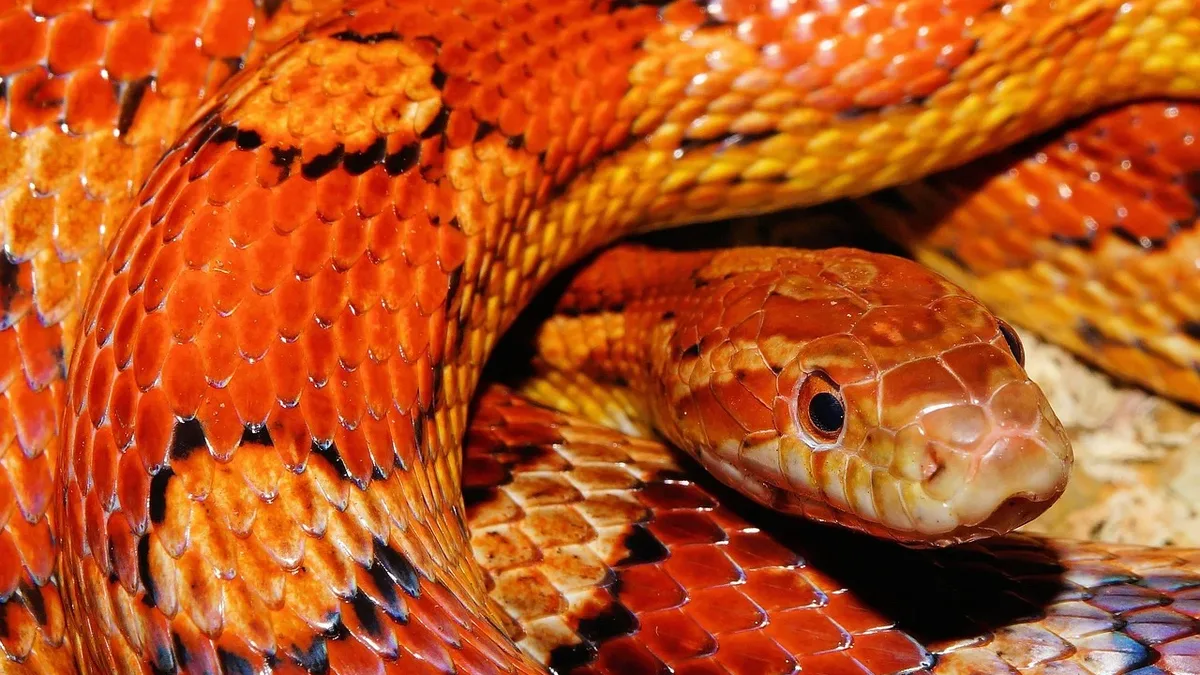
A 2026 genetic study analyzing DNA from 67 Indian spectacled cobras has clarified the species boundaries between mainland and Sri Lankan populations. Published in Molecular Phylogenetics and Evolution on October 15, 2026, the research was led by Paulomi Dam Kanunjna, Prasad Gopalkrishna Gond, Ajinkya Unawane and Kartik Sunagar. It offers fresh insights by sequencing nine DNA markers from scale samples, a significant expansion from the mere 23 sequences previously available for Naja naja.
Mainland cobras show high genetic mixing
Despite notable regional differences in color, hood markings, and venom composition, mainland Indian spectacled cobras form a genetically uniform population. The study, titled 'Spectacular Saga: Phylogenetics and phylogeography of the Indian spectacled cobra (Naja naja Linnaeus, 1758)', found no clear evolutionary divisions across India. Mainland cobras share an extensive set of genetic variants, with minimal sequence divergence and widespread haplotype sharing. This pattern reflects a largely panmictic assemblage, likely due to the snake's strong dispersal capacity, ecological generalism, and historical movement aided by humans. The researchers noted, "Unfortunately, most molecular studies of N. naja have included samples from Bangladesh, Nepal, Pakistan and Sri Lanka, with minimal representation from India."
Sri Lankan cobras are genetically distinct but not a separate species
Sri Lankan cobras form a distinct genetic lineage relative to the mainland. The divergence is estimated to have occurred around two million years ago, during the late Pliocene to early Pleistocene. This finding contrasts with a 2022 study that proposed recognizing Sri Lankan cobras as a separate species, a claim challenged for its limited sampling and reliance on venom as taxonomic evidence. The new genomic data shows moderate mitochondrial divergence but concludes that Sri Lankan and mainland cobras still fall within one species. Genetic differentiation alone, the authors state, does not settle species status. In 1939, a Sri Lankan variant with additional eye-like markings was named Naja naja polyocellata by P. E. P. Deraniyagala.
Historical sea levels shaped cobra dispersal
The split between the island and mainland populations aligns with Pleistocene sea-level fluctuations. Lowered sea levels around two million years ago created land connections, enabling N. naja to reach Sri Lanka. Subsequent rising seas then submerged these connections, isolating the population and allowing genetic differences to accumulate. The study does not prove sea-level changes were the sole cause but finds the timing plausible. On the mainland, genetic mixing continued unimpeded by such barriers. The research suggests the Naja genus originated in Africa, spreading into South Asia via the Middle East about 10.6 million years ago, with the N. naja lineage later evolving on the Indian subcontinent.
Findings have broader implications for venomous snakes
The genetic pattern in spectacled cobras is unusual among Asian venomous snakes. The study contrasts it with species like Bungarus fasciatus, Ophiophagus hannah, Naja atra, Naja haje, and Naja kaouthia, which show pronounced geographic clustering. The cobra's panmictic mainland structure highlights unique evolutionary dynamics. These findings have implications for antivenom research, as the medically significant 'big four' snake shows less regional venom genetic structure than some relatives. The authors summarized the genetic landscape, stating, "Our analyses revealed moderate mitochondrial divergence between Sri Lankan and mainland populations, but minimal sequence divergence and extensive haplotype sharing across mainland South Asia." Resolving fine-scale relationships fully will require denser sampling and rigorous tests in putative connectivity zones.