Wasps Vanish in UK Heatwaves, Scientists Cite Climate Impact
Social wasps have become unusually scarce in Britain during the summer of 2026, with scientists linking their disappearance and reduced size to repeated
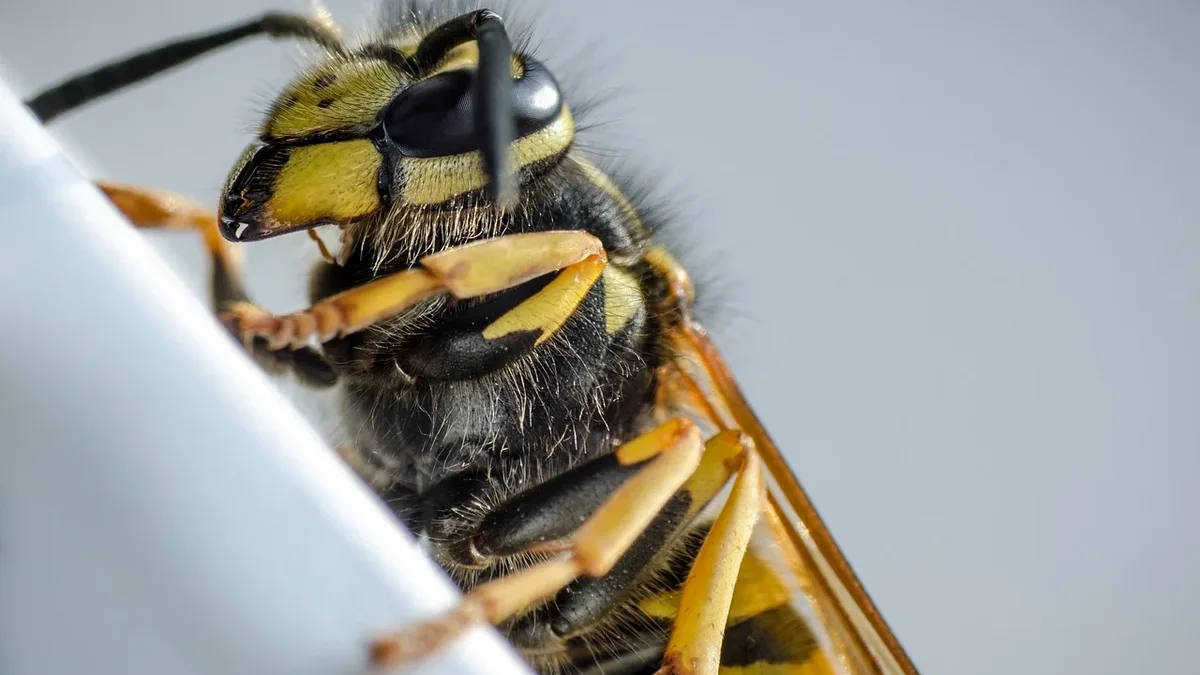
Britain's common social wasps are mysteriously scarce in the summer of 2026. Scientists from The Conversation, including wasp biologist Professor Seirian Sumner of UCL, suspect a combination of extreme heat, temperature swings, and food shortages is responsible.
Anecdotal evidence points to a dramatic decline. Pest controllers report very few requests to remove nests, and media stories about wasp 'plagues' are absent, unlike the previous warm year. Professor Sumner's own students have struggled to find wasps for experiments. While national survey data from the Big Wasp Survey is pending, the signs are concerning for an insect that plays key roles as a pest-controller, pollinator, and decomposer.
A Strange Spring Followed by Relentless Heat
The season began promisingly with a warm, dry spring that saw a good emergence of new queen wasps, or foundresses. This weather typically supports nest survival by ensuring ample nectar and prey. However, the spring of 2026 was punctuated by cold, damp days and unexpectedly chilly nights following the initial heat. These extremes may have caused queens to abandon their nests or die, reducing the potential population from the outset.
Then came repeated heatwaves. While some insects like butterflies may benefit from sustained warm, dry conditions, all insects have a critical thermal maximum (CTmax). Exceeding this temperature leads to desiccation, muscle spasms, and stupor. For social wasps, this CTmax is thought to be around 45°C (113°F). Ground surfaces in the UK exceeded 50°C during the 2026 heatwaves, potentially pushing wasps beyond their limit.
Thermal Tolerance and Behavioral Limits
Even temperatures below the CTmax can impair insect function. Bumblebee cognition and foraging efficiency suffer during 32°C heatwaves. The Bumblebee Conservation Trust has warned 2026 could worsen population declines as flowers wither. Wasps possess adaptations like nest thermoregulation and cuticular hydrocarbons that change structure to resist heat, but their suspected lower CTmax may have made them uniquely vulnerable this year.
Their varied diet, which should buffer them from prey shortages, may not have been enough. The extreme conditions likely created a dual crisis of lethal temperatures and scarce food resources.
The Puzzle of the Shrunken Wasps
The few wasps observed are notably small. Insect adult size is fixed during larval development, dependent on food quality and quantity. By early August, colonies normally produce much larger workers as foraging capacity grows. The persistence of 'spring-sized' wasps points to nutritional stress from limited prey. Heat itself could also be a direct cause, as insect larvae reared at higher temperatures develop faster but pupate at a smaller size.
Professor Sumner notes this could be a real-time observation of a long-term trend. "Global warming is thought to explain the trend in social wasps shrinking in size over the last 100 years," she writes.
How the Public Can Assist Research
People are encouraged to observe wasps calmly if they encounter one. A wasp approaching a picnic may be seeking protein like ham for its brood or sugary jam for its own nutrition in a resource-scarce environment. Professor Sumner's research team is also calling for public participation in the Wasp Picnic Survey 2026, titled 'Ham or Jam?', where people can submit photos and observations to help scientists better understand the situation.